Broccoli VS Spinach
A detailed nutritional comparison
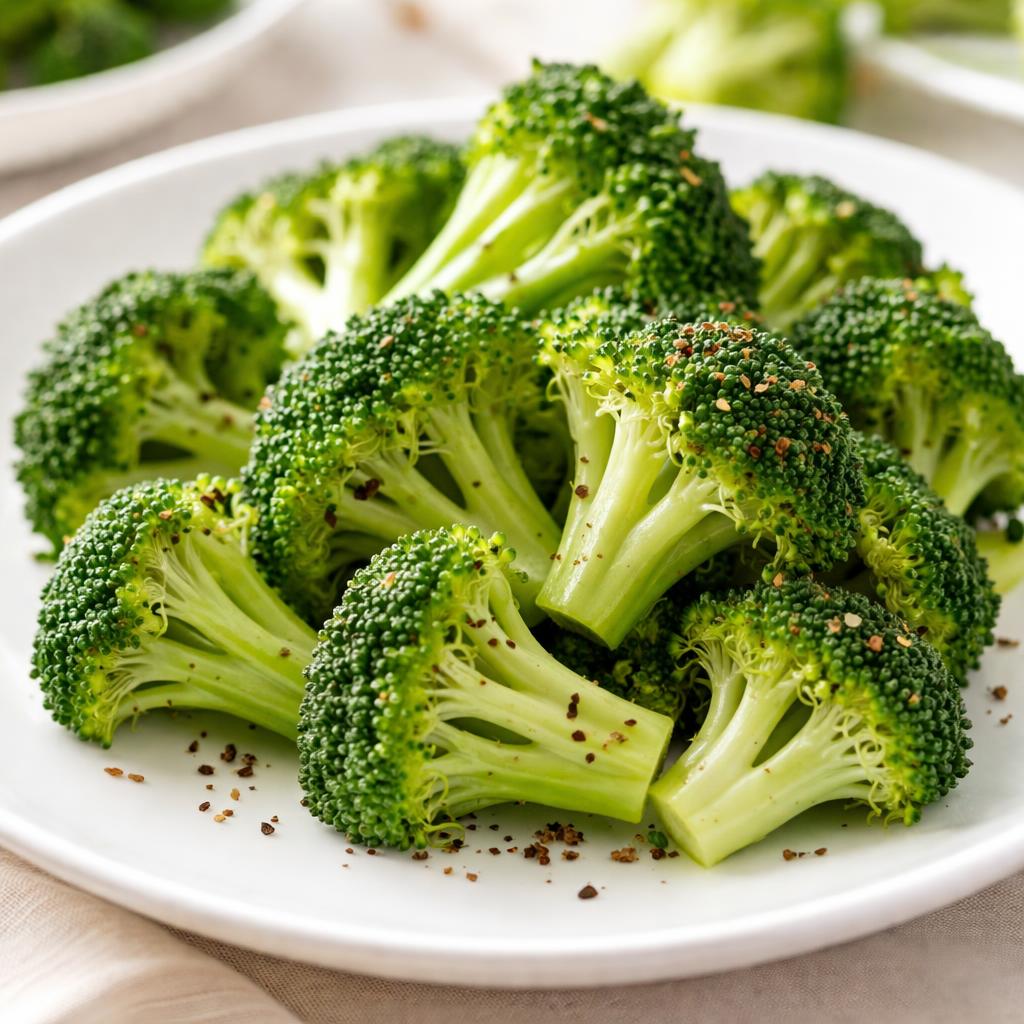
Broccoli
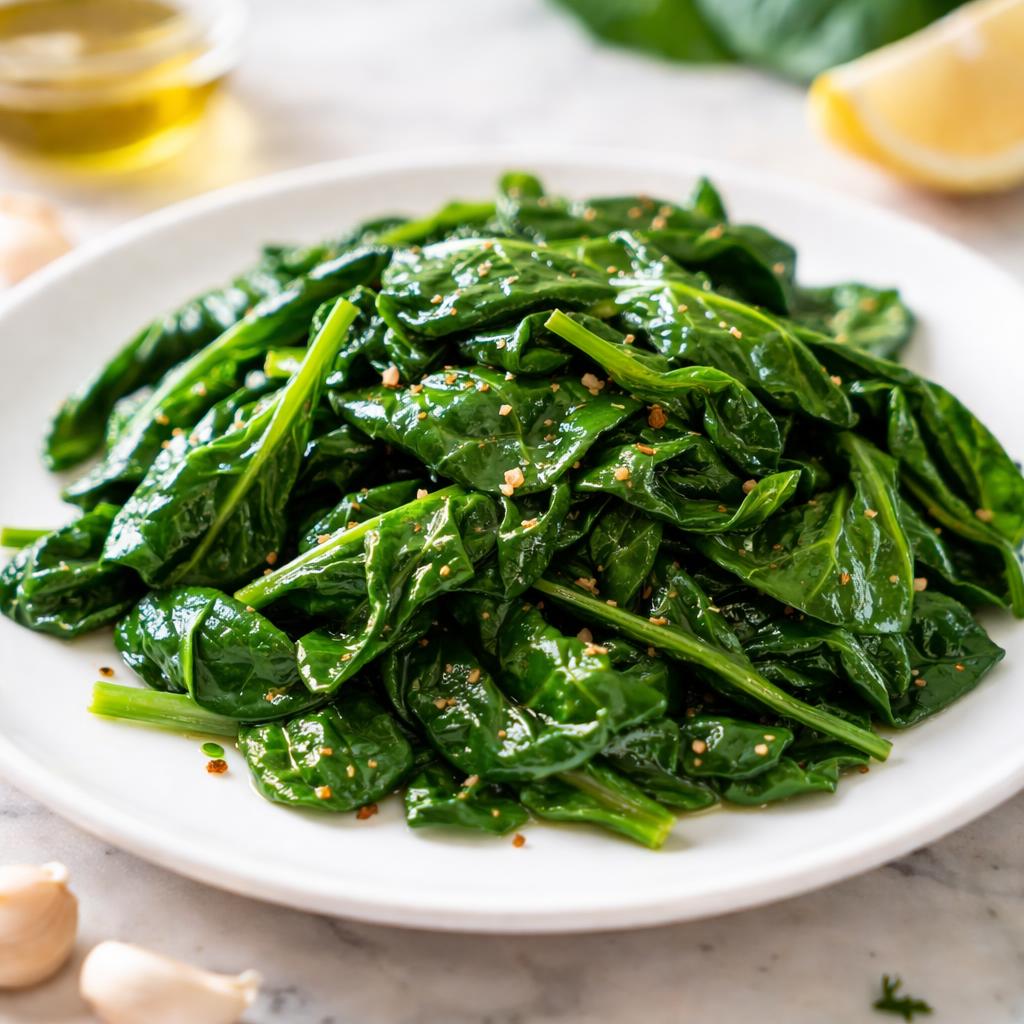
Spinach
🎯 Quick Verdict
Broccoli and spinach are nutrient-dense vegetables, but they have some differences. Broccoli provides more protein (2.6g vs. 2.0g per 100g), fiber (2.4g vs. 2.2g), and calcium, making it particularly beneficial for bone health and digestion. Spinach, however, is much richer in iron and vitamin K, supporting blood and bone health. Both are excellent choices depending on your nutritional priorities.

Smart Nutrition Tracking with SnapCalorie

📊 Nutritional Comparison
Macronutrients
| Nutrient | Food 1 | Food 2 | Winner |
|---|---|---|---|
| Calories | 34 | 23 | − |
| Protein | 2.6g | 2.0g | − |
| Carbs | 6.6g | 3.6g | − |
| Fat | 0.4g | 0.4g | − |
| Fiber | 2.4g | 2.2g | − |
Vitamins & Minerals
| Nutrient | Food 1 | Food 2 | Winner |
|---|---|---|---|
| Vitamin C | 89.2mg | 28.1mg | − |
| Iron | 0.7mg | 2.7mg | − |
| Calcium | 47mg | 99mg | − |
| Vitamin K | 101.6mcg | 482.9mcg | − |
| Vitamin A | 623IU | 9377IU | − |
🏆 Category Winners
Protein
Broccoli provides 30% more protein than spinach per 100g.
Fiber
Broccoli has slightly more fiber with 2.4g vs. 2.2g per 100g.
Calories
Both are low-calorie vegetables ideal for weight loss diets.
Vitamins
Spinach excels in vitamin K, A, and iron content, vital for bones and blood health.
🥗 Diet Compatibility
Keto
Food 1: Unknown
Food 2: Unknown
Both are low-carb and fit into keto diets.
Vegan
Food 1: Unknown
Food 2: Unknown
Both are plant-based and ideal for vegan diets.
Gluten Free
Food 1: Unknown
Food 2: Unknown
Neither contains gluten.
Paleo
Food 1: Unknown
Food 2: Unknown
Both fit into paleo diets as non-processed whole foods.
Low-Carb
Food 1: Unknown
Food 2: Unknown
Both are low-carb vegetables, perfect for low-carb diets.
💪 Health Benefits Comparison
Food 1 Benefits
Food 2 Benefits
✅ The Bottom Line
Broccoli and spinach both offer substantial health benefits. Broccoli is best for protein and digestion, making it ideal for weight management or post-workout meals. Spinach is better for iron, vitamin K, and vitamin A, supporting blood health and bone strength. Use broccoli in hearty meals or stir-fry, and spinach in salads and smoothies to maximize their nutritional profiles.


