Broccoli VS Spaghetti
A detailed nutritional comparison
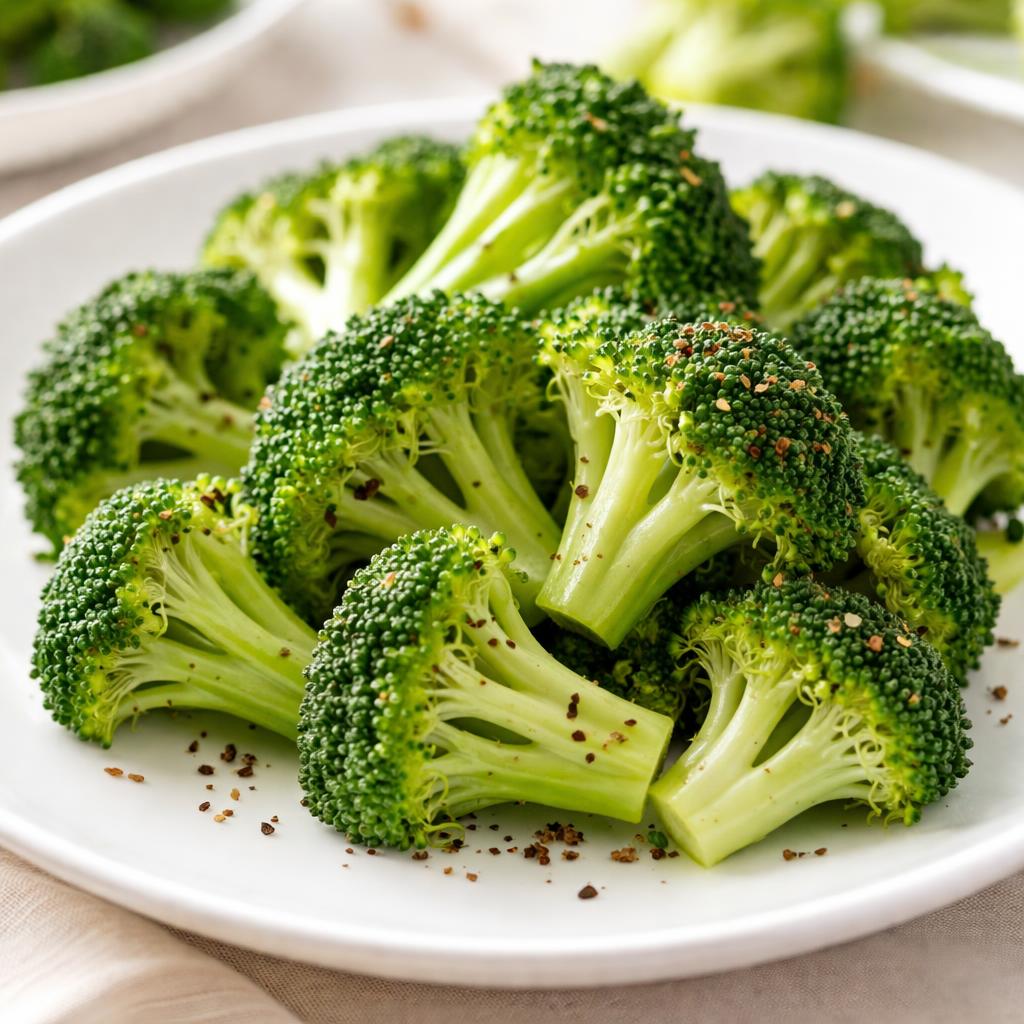
Broccoli
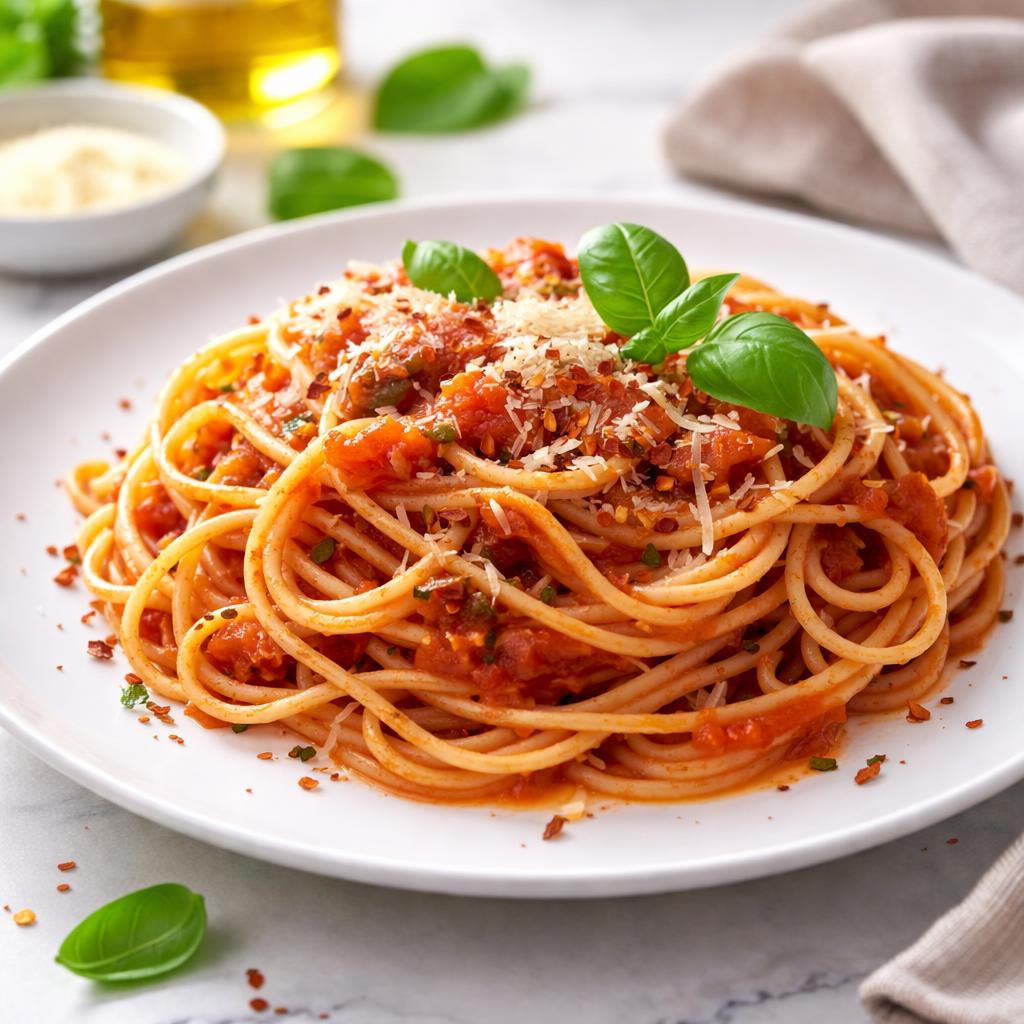
Spaghetti
🎯 Quick Verdict
Broccoli is a nutrient-dense, low-calorie vegetable that excels in providing fiber, vitamins, and plant-based protein, making it ideal for weight loss and overall health. Spaghetti is a calorie-dense carbohydrate source, better suited for providing energy during intense activity or as comfort food. Choose broccoli for a lighter option or spaghetti for sustained energy needs.

Smart Nutrition Tracking with SnapCalorie

📊 Nutritional Comparison
Macronutrients
| Nutrient | Food 1 | Food 2 | Winner |
|---|---|---|---|
| Calories | 55 kcal (per 100g) | 158 kcal (per 100g) | ✓ |
| Protein | 3.7g (per 100g) | 5.5g (per 100g) | ✓ |
| Carbs | 11.2g (per 100g) | 30.8g (per 100g) | ✓ |
| Fat | 0.6g (per 100g) | 0.9g (per 100g) | ✓ |
| Fiber | 2.6g (per 100g) | 1.8g (per 100g) | ✓ |
Vitamins & Minerals
| Nutrient | Food 1 | Food 2 | Winner |
|---|---|---|---|
| Vitamin D | 0mcg | 0mcg | − |
| Calcium | 47mg | 12mg | ✓ |
| Iron | 0.73mg | 0.35mg | ✓ |
| Vitamin C | 89mg | 0mg | ✓ |
🏆 Category Winners
Protein
Spaghetti contains slightly more protein per 100g.
Fiber
Broccoli provides 45% more fiber than spaghetti.
Calories
Broccoli has one-third the calories of spaghetti.
Vitamins
Broccoli is richer in calcium, iron, and vitamin C compared to spaghetti.
🥗 Diet Compatibility
Keto
Food 1: Compatible
Food 2: Not Compatible
Broccoli is low in carbs while spaghetti is high-carb.
Vegan
Food 1: Compatible
Food 2: Compatible
Both are plant-based foods.
Gluten Free
Food 1: Compatible
Food 2: Not Compatible
Broccoli is naturally gluten-free; spaghetti contains gluten unless specified as gluten-free.
Paleo
Food 1: Compatible
Food 2: Not Compatible
Broccoli aligns with paleo principles, while traditional spaghetti does not.
Low Carb
Food 1: Compatible
Food 2: Not Compatible
Broccoli's carbohydrate content is significantly lower, making it suitable for low-carb diets.
💪 Health Benefits Comparison
Food 1 Benefits
- Rich in vitamin C for immune support
- High in fiber for improved digestion and gut health
- Contains antioxidants for reducing inflammation
- Low-calorie food suitable for weight management
Food 2 Benefits
- Provides energy from complex carbohydrates for physical activity
- Contains small amounts of protein for general health support
- Comfort food ideal for balanced, moderate diets
- Can be fortified with additional nutrients when made with enriched flour
✅ The Bottom Line
Broccoli is a clear winner in terms of nutritional density, being lower in calories and richer in vitamins and fiber. Spaghetti is better suited as an energy source during high activity or requiring an easy-to-digest meal. When deciding, consider your dietary goals and whether you're looking for a vegetable-packed nutrient profile or a carbohydrate base for energy.
Choose Food 1 for: Weight loss, vitamin intake, low-carb diets
Choose Food 2 for: High-energy meals, quick carbohydrate replenishment, comfort food


