Broccoli VS Scallops
A detailed nutritional comparison
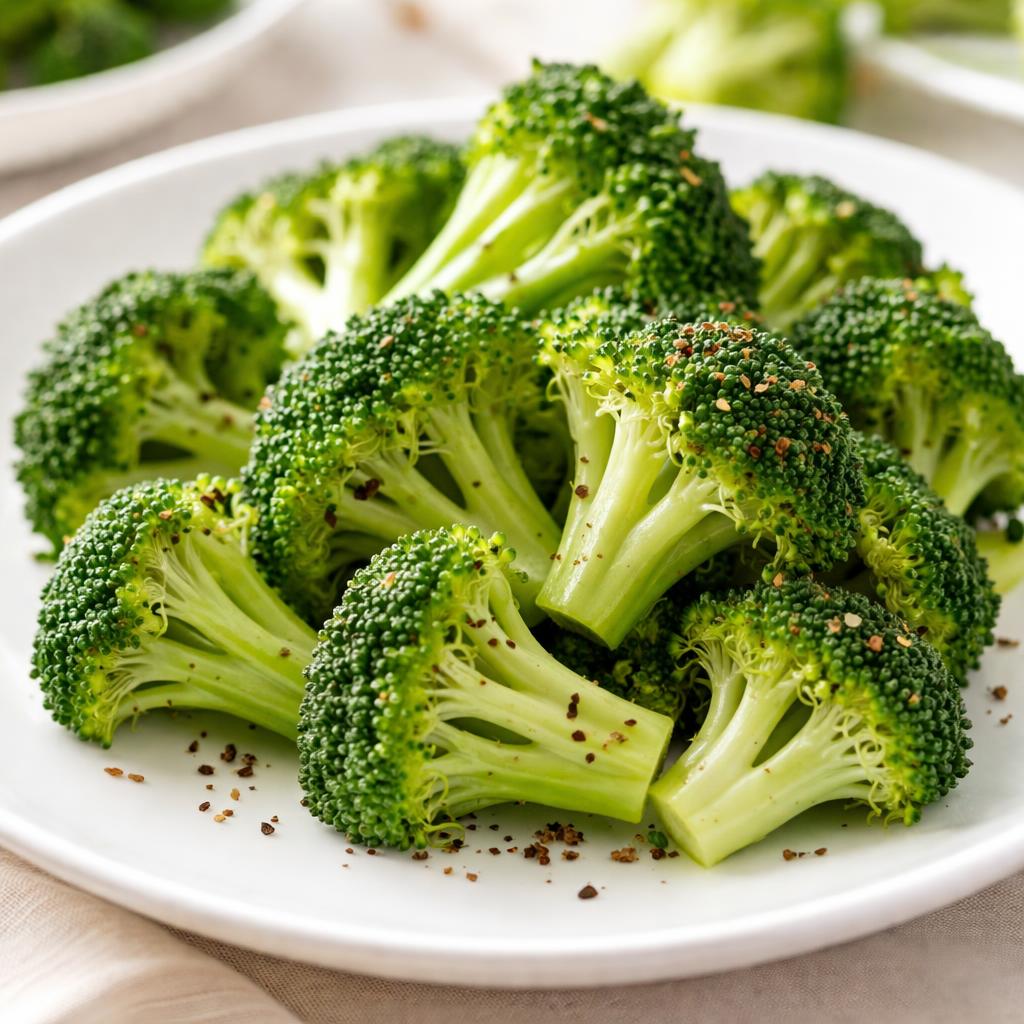
Broccoli
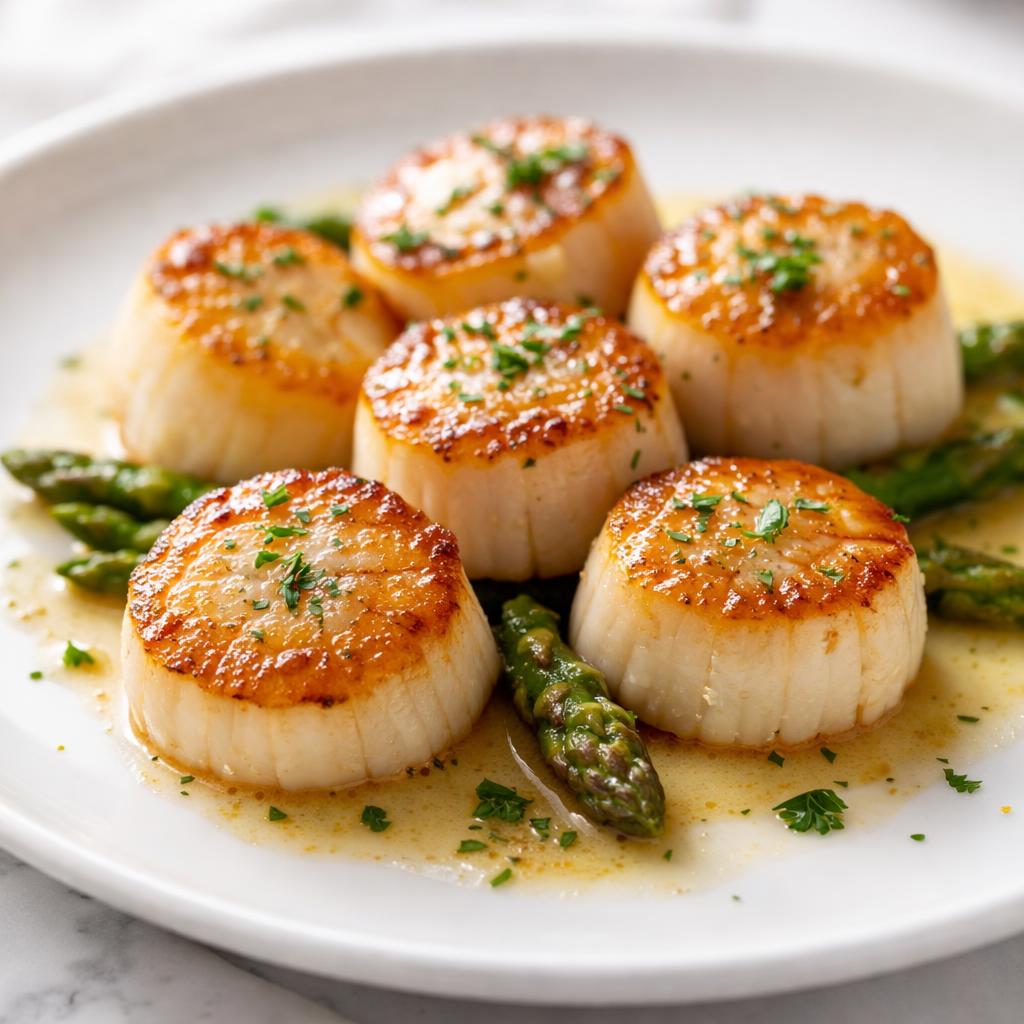
Scallops
🎯 Quick Verdict
Broccoli and scallops differ significantly in their nutritional profiles. Scallops are much higher in protein, making them excellent for muscle building, while broccoli is significantly higher in fiber and lower in calories, ideal for weight management and digestion. Both foods contribute unique health benefits depending on dietary goals.

Smart Nutrition Tracking with SnapCalorie

📊 Nutritional Comparison
Macronutrients
| Nutrient | Food 1 | Food 2 | Winner |
|---|---|---|---|
| Calories | 55 | 160 | ✓ |
| Protein | 4.3g | 20g | ✓ |
| Carbs | 11g | 6.3g | ✓ |
| Fat | 0.5g | 1g | ✓ |
| Fiber | 2.4g | 0g | ✓ |
Vitamins & Minerals
| Nutrient | Food 1 | Food 2 | Winner |
|---|---|---|---|
| Vitamin C | 89.2mg | 0mg | ✓ |
| Vitamin D | 0mcg | 11mcg | ✓ |
| Calcium | 47mg | 21mg | ✓ |
| Iron | 0.7mg | 0.4mg | ✓ |
| Magnesium | 21mg | 33mg | ✓ |
🏆 Category Winners
Protein
Scallops contain over 4 times more protein per serving than broccoli.
Fiber
Broccoli is rich in dietary fiber, while scallops contain none.
Calories
Broccoli is very low in calories, making it ideal for weight-conscious diets.
Vitamins
Broccoli excels in Vitamin C and other micronutrients, while scallops provide Vitamin D and magnesium.
🥗 Diet Compatibility
Keto
Food 1: Compatible
Food 2: Compatible
Both options fit well into a keto diet due to their low carbohydrate content.
Vegan
Food 1: Compatible
Food 2: Not Compatible
Scallops are animal-based, while broccoli is fully plant-based.
Gluten Free
Food 1: Compatible
Food 2: Compatible
Neither broccoli nor scallops contains gluten.
Paleo
Food 1: Compatible
Food 2: Compatible
Both foods align with paleo principles focusing on whole, unprocessed foods.
Low Carb
Food 1: Compatible
Food 2: Compatible
Both foods have low carbohydrate content, fitting into low-carb diets.
💪 Health Benefits Comparison
Food 1 Benefits
- High in fiber to support digestion and gut health
- Rich in Vitamin C for immune function
- Contains phytonutrients that may help reduce inflammation
- Low in calories, ideal for weight loss
Food 2 Benefits
- High protein content supports muscle building and repair
- Excellent source of Vitamin D for bone and immune health
- Contains omega-3 fatty acids, beneficial for heart health
- Rich in magnesium, important for muscle and nerve function
✅ The Bottom Line
Choose broccoli if you aim for weight loss, digestion support, or a plant-based source of nutrients. Opt for scallops if you need a high-protein, low-fat option, especially for muscle maintenance or Vitamin D intake. Both foods can complement each other in a balanced diet.
Choose Food 1 for: Weight loss, digestive health, immune function, plant-based diets
Choose Food 2 for: Muscle building, bone health, heart health, low-fat high-protein diets


