Broccoli VS Risotto
A detailed nutritional comparison
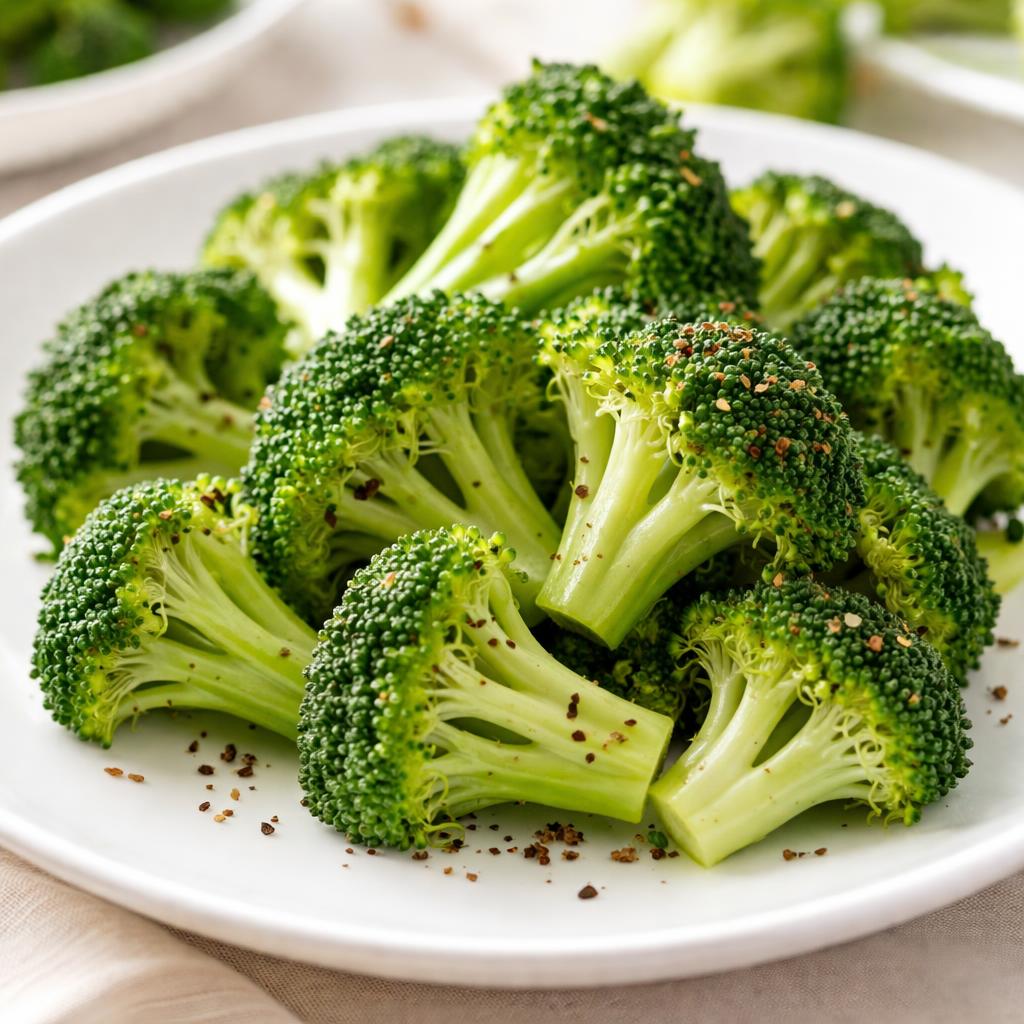
Broccoli
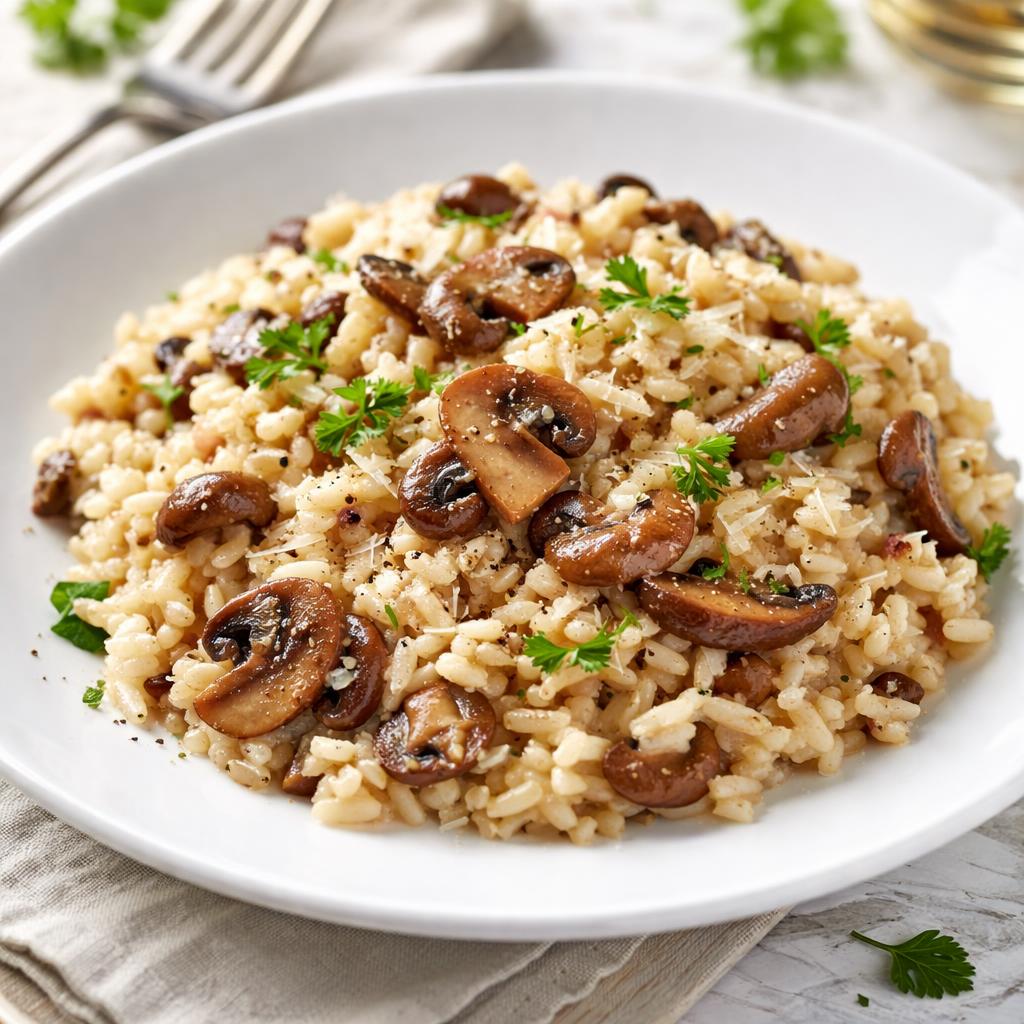
Risotto
🎯 Quick Verdict
Broccoli is a nutrient-dense vegetable packed with protein, fiber, and vitamins, while risotto is a carb-heavy dish high in calories but offers some healthy fats and minerals. Broccoli is ideal for weight management and general health, while risotto provides energy and is well-suited for carb-loading or comfort meals.

Smart Nutrition Tracking with SnapCalorie

📊 Nutritional Comparison
Macronutrients
| Nutrient | Food 1 | Food 2 | Winner |
|---|---|---|---|
| Calories | 55 | 200 | ✓ |
| Protein | 4g | 6g | ✓ |
| Carbs | 11g | 30g | ✓ |
| Fat | 0.6g | 8g | ✓ |
| Fiber | 2.4g | 1g | ✓ |
Vitamins & Minerals
| Nutrient | Food 1 | Food 2 | Winner |
|---|---|---|---|
| Vitamin C | 81mg | 0mg | ✓ |
| Vitamin A | 566IU | 0IU | ✓ |
| Calcium | 50mg | 140mg | ✓ |
| Iron | 0.7mg | 1.4mg | ✓ |
🏆 Category Winners
Protein
Broccoli offers protein with fewer calories, making it more nutrient-dense overall.
Fiber
Broccoli contains 140% more fiber than risotto per serving.
Calories
Broccoli has 72.5% fewer calories than risotto per serving, aiding in weight management.
Vitamins
Broccoli excels in essential vitamins like Vitamin C and A compared to risotto.
🥗 Diet Compatibility
Keto
Food 1: Not Compatible
Food 2: Not Compatible
Both are relatively high in carbohydrates per serving.
Vegan
Food 1: Compatible
Food 2: Compatible
Food1 and most risottos can be plant-based depending on preparation.
Gluten Free
Food 1: Compatible
Food 2: Check Preparation
Broccoli is naturally gluten-free, while risotto may contain gluten depending on additional ingredients.
Paleo
Food 1: Compatible
Food 2: Not Compatible
Broccoli aligns with paleo principles, while risotto contains processed grains.
Low Carb
Food 1: Not Compatible
Food 2: Not Compatible
Both are relatively high in carbs, especially risotto.
💪 Health Benefits Comparison
Food 1 Benefits
- Rich in Vitamin C for immune system support
- Contains fiber to promote digestive health
- Low-calorie food ideal for weight management
- Provides antioxidants that may protect against chronic diseases
Food 2 Benefits
- Provides sustained energy from complex carbohydrates
- Contains healthy fats (if prepared with olive oil or butter)
- Good source of minerals like calcium and iron
- Comfort food that supports mental well-being
✅ The Bottom Line
Broccoli is the clear winner overall for its nutrient density, low calories, and high fiber content, making it ideal for health-conscious diets. Risotto is a great choice for those seeking energy-rich, comfort meals and pairing it with protein sources can improve its nutritional profile.
Choose Food 1 for: Weight management, general health, plant-based diets
Choose Food 2 for: Carb-loading, comfort meals, boosting energy levels


