Broccoli VS Pasta With Tomato Sauce
A detailed nutritional comparison
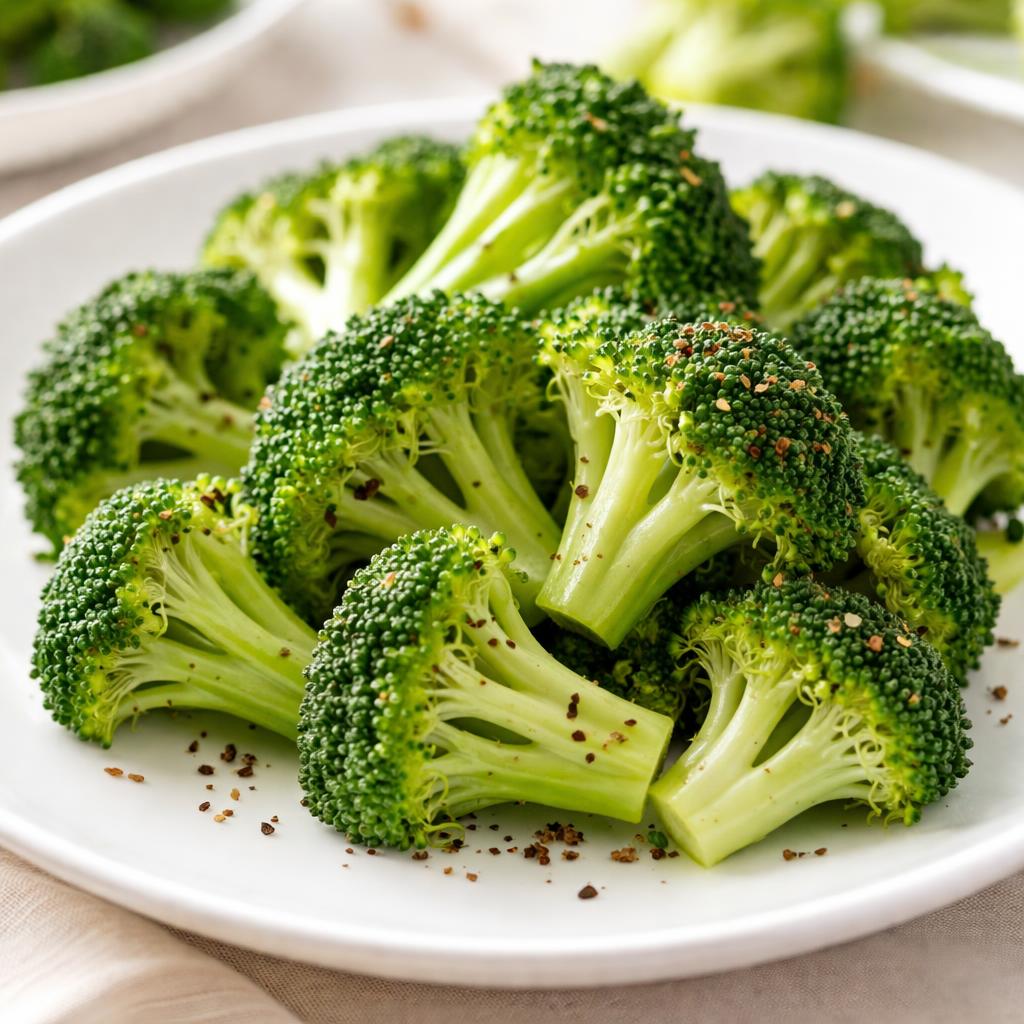
Broccoli
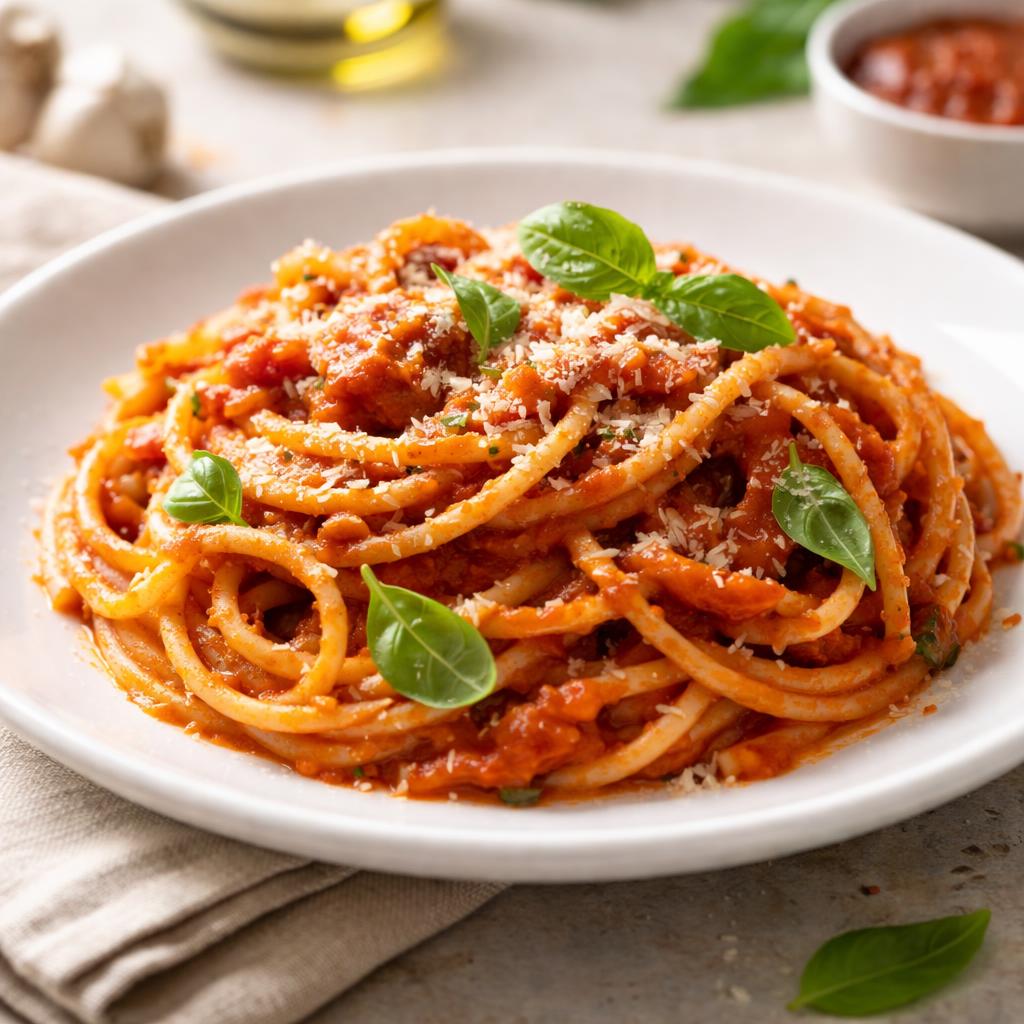
Pasta With Tomato Sauce
🎯 Quick Verdict
Broccoli is a low-calorie, nutrient-dense vegetable offering more protein, fiber, and key vitamins compared to pasta with tomato sauce. Pasta with tomato sauce is a higher-calorie option with more carbohydrates, suitable for energy needs. Choose broccoli for weight management or nutrient density, and pasta for sustained energy or carb-loading purposes.

Smart Nutrition Tracking with SnapCalorie

📊 Nutritional Comparison
Macronutrients
| Nutrient | Food 1 | Food 2 | Winner |
|---|---|---|---|
| Calories | 55 | 160 | ✓ |
| Protein | 4.2g | 5g | ✓ |
| Carbs | 11.2g | 32g | ✓ |
| Fat | 0.6g | 3g | ✓ |
| Fiber | 2.4g | 1.5g | ✓ |
Vitamins & Minerals
| Nutrient | Food 1 | Food 2 | Winner |
|---|---|---|---|
| Vitamin C | 89mg | 10mg | ✓ |
| Vitamin K | 93mcg | 4mcg | ✓ |
| Potassium | 316mg | 220mg | ✓ |
🏆 Category Winners
Protein
Food2 has slightly more protein per serving, primarily due to pasta content.
Fiber
Food1 contains 60% more fiber, aiding digestion and satiety.
Calories
Food1 is significantly lower in calories, making it better for weight loss.
Vitamins
Food1 is richer in essential vitamins like Vitamin C and Vitamin K.
🥗 Diet Compatibility
Keto
Food 1: Compatible
Food 2: Not Compatible
Broccoli is low-carb and falls within keto guidelines.
Vegan
Food 1: Compatible
Food 2: Compatible
Both foods are plant-based, suitable for vegan diets.
Gluten Free
Food 1: Compatible
Food 2: Not Compatible
Broccoli is naturally gluten-free, while standard pasta contains gluten.
Paleo
Food 1: Compatible
Food 2: Not Compatible
Broccoli fits paleo principles, while pasta is a processed grain.
Low-Carb
Food 1: Compatible
Food 2: Not Compatible
Broccoli has a lower carb content compared to pasta.
💪 Health Benefits Comparison
Food 1 Benefits
- Rich in antioxidants for reducing inflammation
- High in Vitamin C for immune support
- Excellent fiber source for digestive health
- Low-calorie food suitable for weight management
Food 2 Benefits
- Provides sustained energy due to complex carbohydrates
- Source of lycopene (from tomato sauce) for heart health
- Offers moderate protein for general body repair
- Comfort food option good for carb-loading or energy recovery
✅ The Bottom Line
Choose broccoli for nutrient density, low calories, and weight management. Opt for pasta with tomato sauce for energy needs, carb-loading, or as a satisfying comfort food. Broccoli shines in keto, paleo, and low-carb diets, while pasta is best suited for athletes or those requiring sustained energy.
Choose Food 1 for: Weight management, low-carb diets, immune health
Choose Food 2 for: Energy recovery, comfort meals, athletic performance


