Broccoli VS Onions
A detailed nutritional comparison
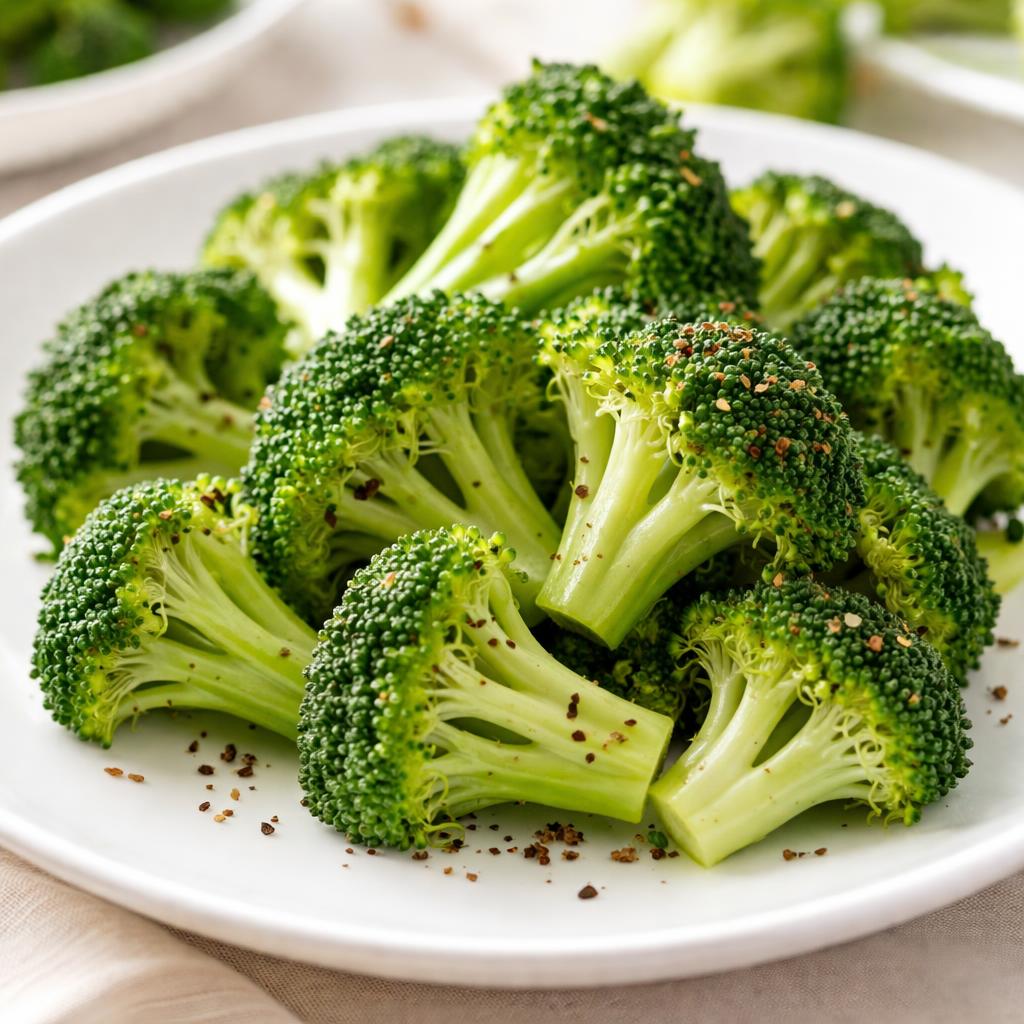
Broccoli
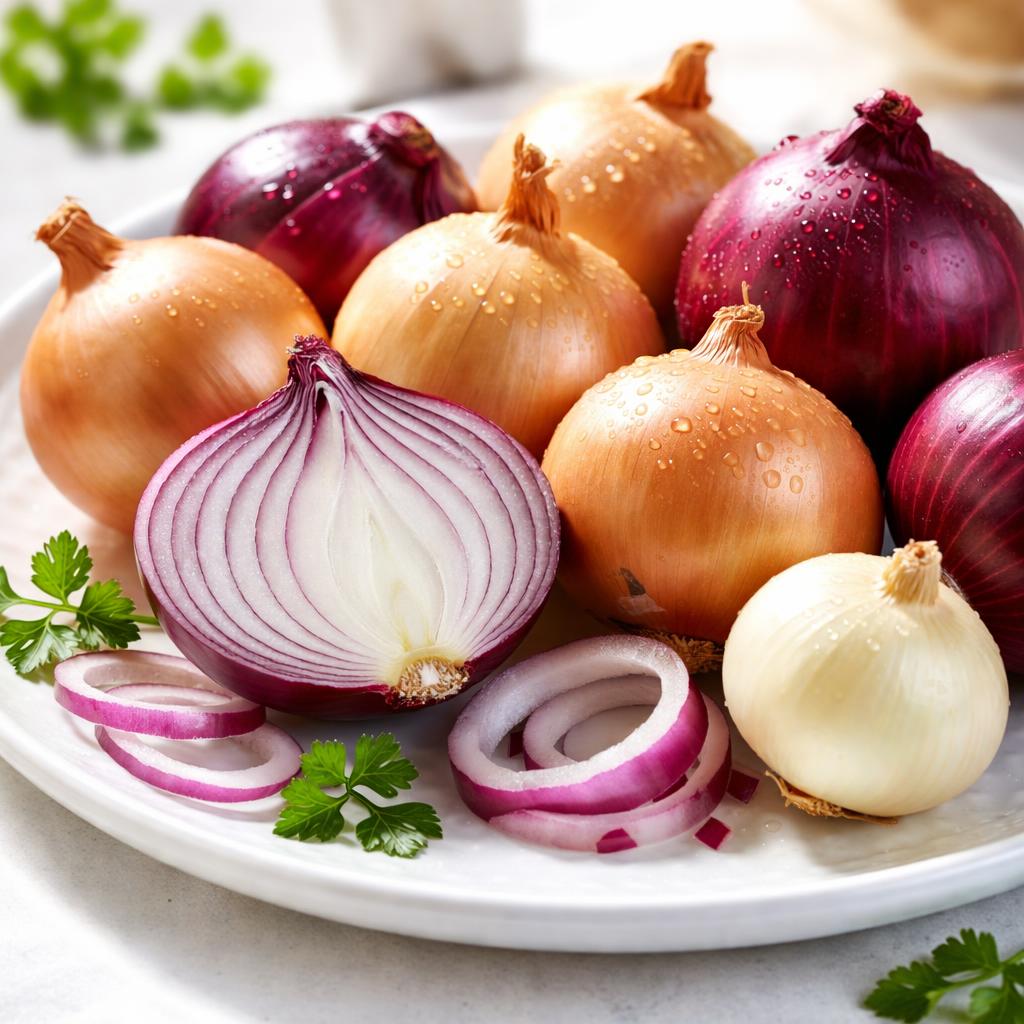
Onions
🎯 Quick Verdict
Broccoli is nutritionally denser compared to onions, offering higher protein, fiber, and fewer calories per serving. While onions are rich in antioxidants and great for flavoring dishes, broccoli is an excellent source of vitamins and minerals, making it a versatile choice for balanced nutrition and weight management goals.

Smart Nutrition Tracking with SnapCalorie

📊 Nutritional Comparison
Macronutrients
| Nutrient | Food 1 | Food 2 | Winner |
|---|---|---|---|
| Calories | 55 per 100g | 40 per 100g | ✓ |
| Protein | 4g per 100g | 1g per 100g | ✓ |
| Carbs | 11g per 100g | 9g per 100g | ✓ |
| Fat | 0.5g per 100g | 0g per 100g | ✓ |
| Fiber | 3g per 100g | 1.7g per 100g | ✓ |
Vitamins & Minerals
| Nutrient | Food 1 | Food 2 | Winner |
|---|---|---|---|
| Vitamin C | 89mg per 100g | 7mg per 100g | ✓ |
| Vitamin K | 101.6mcg per 100g | 0.5mcg per 100g | ✓ |
| Folate | 63mcg per 100g | 19mcg per 100g | ✓ |
🏆 Category Winners
Protein
Broccoli has 4 times more protein than onions.
Fiber
Broccoli contains almost double the fiber.
Calories
Onions have slightly fewer calories than broccoli per 100g.
🥗 Diet Compatibility
Keto
Food 1: Compatible
Food 2: Compatible
Both foods are low-carb and fit well within keto guidelines.
Vegan
Food 1: Compatible
Food 2: Compatible
Both are plant-based and alignment with vegan diets.
Gluten Free
Food 1: Compatible
Food 2: Compatible
Both are naturally gluten-free and suitable for gluten-free diets.
Paleo
Food 1: Compatible
Food 2: Compatible
Both foods are whole, unprocessed, and paleo-friendly.
Low-Carb
Food 1: Compatible
Food 2: Compatible
Both are low in carbs and suitable for low-carb diets.
💪 Health Benefits Comparison
Food 1 Benefits
- Rich in vitamin C to boost immunity
- High in fiber for improved digestion
- Contains antioxidants to reduce inflammation
- Supports bone health with high vitamin K content
Food 2 Benefits
- Provides antioxidants for heart health
- Supports immune function with vitamin C
- Contains prebiotics to promote gut health
- Naturally low-calorie for weight management
✅ The Bottom Line
Broccoli is the more nutritionally dense option, making it ideal for individuals seeking high vitamins, fiber, and protein. Onions, on the other hand, stand out for their flavor and prebiotic benefits, assisting digestive health and immune support. Either food can complement well-balanced meals, but broccoli is better for nutrient-driven diets.
Choose Food 1 for: Weight management, nutrient-dense meals, bone health
Choose Food 2 for: Flavor enhancement, gut health, low-calorie recipes


