Broccoli VS Onion
A detailed nutritional comparison
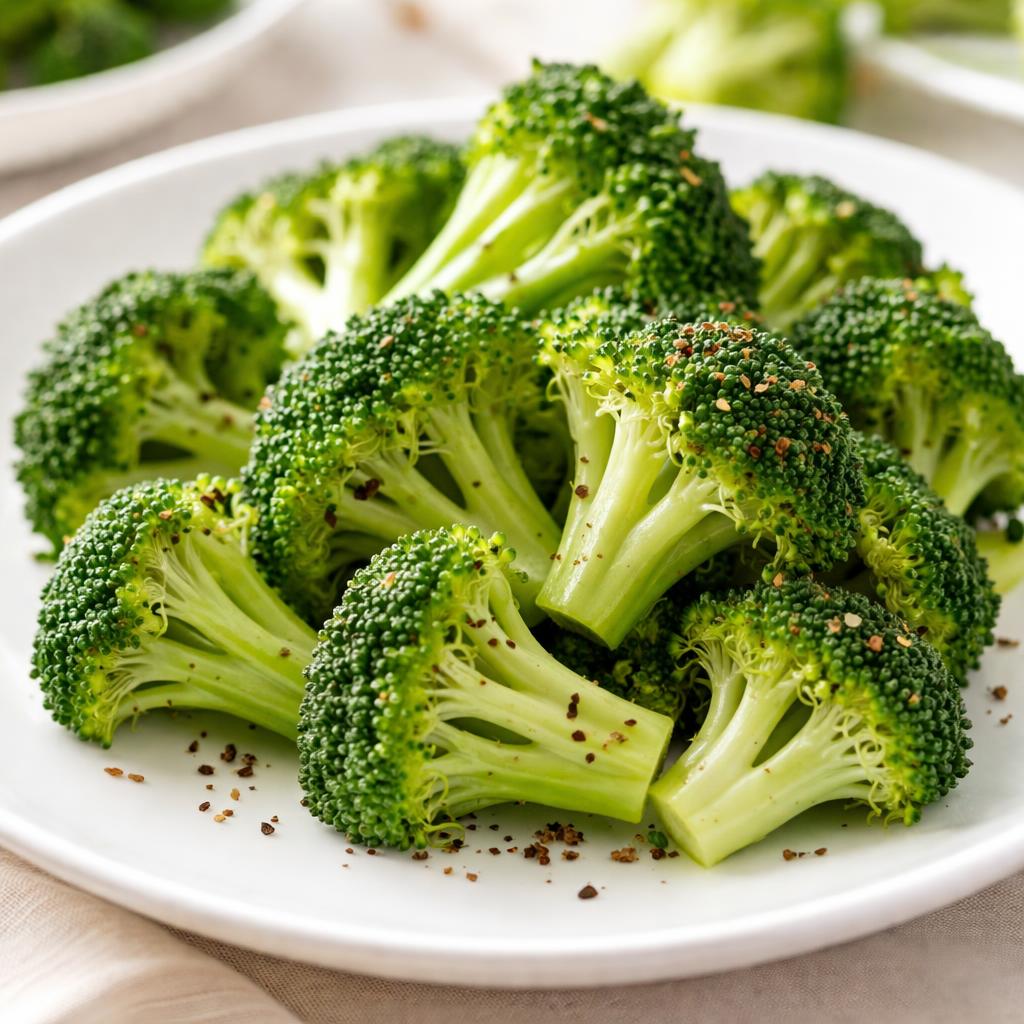
Broccoli
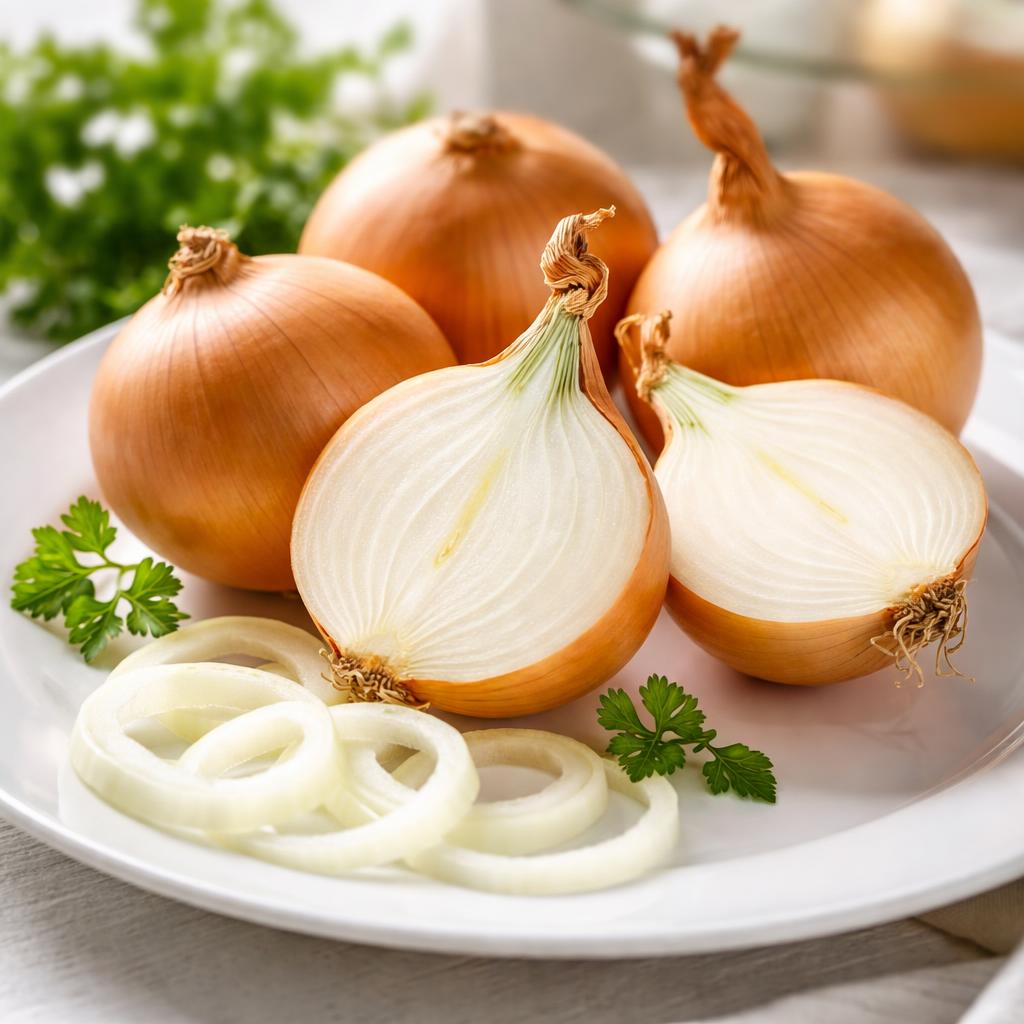
Onion
🎯 Quick Verdict
Broccoli emerges as the better choice nutritionally due to significantly higher protein, fiber, and lower calorie content per serving compared to onions. However, onions provide distinct benefits such as high levels of antioxidants and flavor enhancement, making them better suited as an ingredient or garnish in meals, while broccoli fits perfectly as a nutrient-dense main vegetable in dishes.

Smart Nutrition Tracking with SnapCalorie

📊 Nutritional Comparison
Macronutrients
| Nutrient | Food 1 | Food 2 | Winner |
|---|---|---|---|
| Calories | 55 | 40 | ✓ |
| Protein | 3.7g | 1.1g | ✓ |
| Carbs | 11g | 9.3g | ✓ |
| Fat | 0.5g | 0.1g | ✓ |
| Fiber | 2.4g | 1.7g | ✓ |
Vitamins & Minerals
| Nutrient | Food 1 | Food 2 | Winner |
|---|---|---|---|
| Vitamin C | 89.2mg | 7.4mg | ✓ |
| Vitamin K | 101.6mcg | 0.4mcg | ✓ |
| Folate | 63mcg | 19mcg | ✓ |
| Potassium | 316mg | 146mg | ✓ |
🏆 Category Winners
Protein
Broccoli contains over 3 times more protein per serving than onions.
Fiber
Broccoli has 41% more fiber, aiding digestion.
Calories
Onions are slightly lower in calories, better for ultra-low-calorie diets.
Vitamins
Broccoli is vastly richer in vitamin C, K, folate, and potassium.
🥗 Diet Compatibility
Keto
Food 1: Compatible
Food 2: Compatible
Both are low in carbs and suitable for keto diets.
Vegan
Food 1: Compatible
Food 2: Compatible
Both are plant-based.
Gluten Free
Food 1: Compatible
Food 2: Compatible
Neither contains gluten.
Paleo
Food 1: Compatible
Food 2: Compatible
Both fit paleo guidelines as unprocessed foods.
Low Carb
Food 1: Compatible
Food 2: Compatible
Both have moderate-to-low carbs, suitable for low-carb diets.
💪 Health Benefits Comparison
Food 1 Benefits
- Rich in vitamin C for immune system support
- High fiber content for better digestion
- Good source of potassium for heart and muscle health
- Contains phytonutrients that may help protect against cancer
Food 2 Benefits
- High in antioxidants to combat free radicals
- Supports heart health with compounds like quercetin
- Low calorie option for weight management
- Provides sulfur compounds that may boost immunity
✅ The Bottom Line
Broccoli is the clear winner in overall nutrition, offering robust levels of protein, fiber, vitamins, and potassium, making it an ideal choice for nutrient density. Onions, while lower in calories, shine as a flavoring agent and a source of unique antioxidants, making them valuable additions to culinary applications. Choose broccoli for nutrient-dense meals and onions for enhancing flavor and providing antioxidants.
Choose Food 1 for: High-protein diets, digestive health, immune support, weight loss
Choose Food 2 for: Flavor enhancement, antioxidant intake, heart health, ultra-low-calorie diets


