Broccoli VS Okra
A detailed nutritional comparison
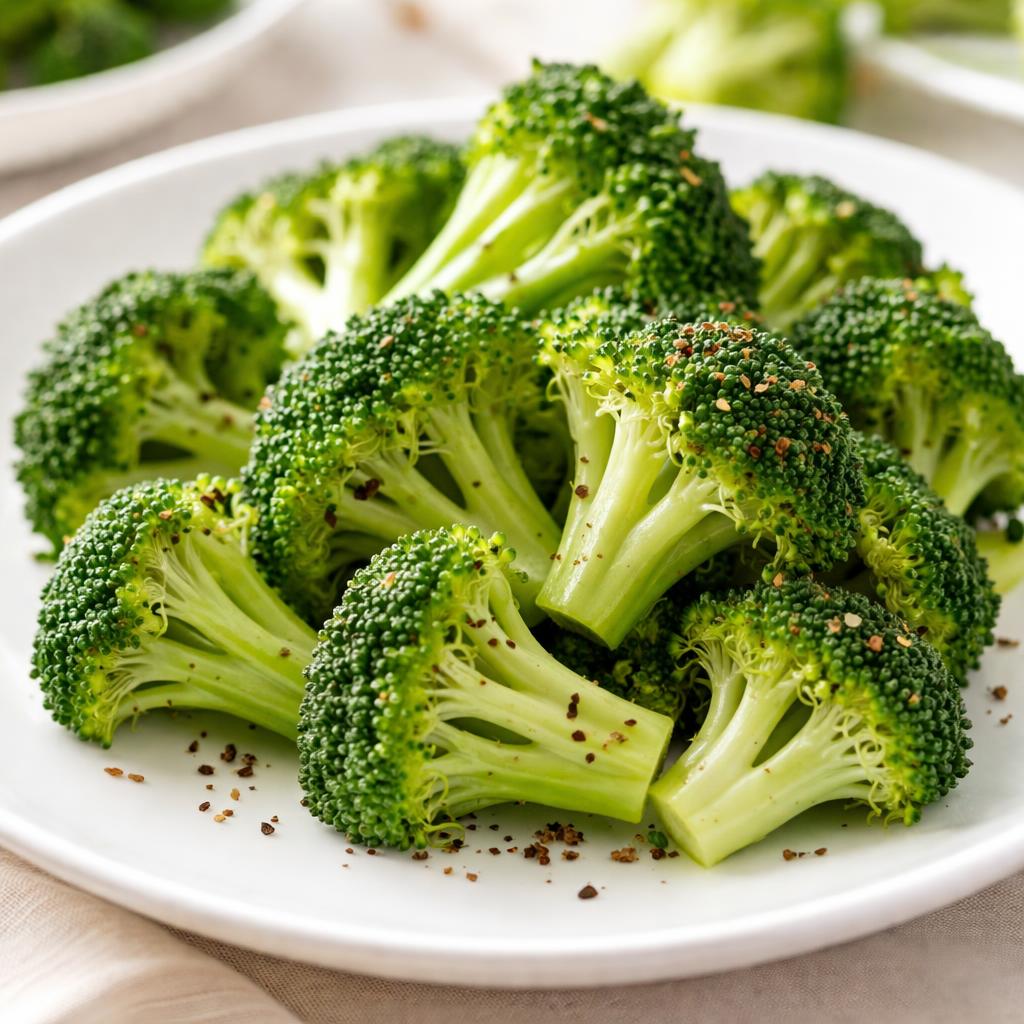
Broccoli
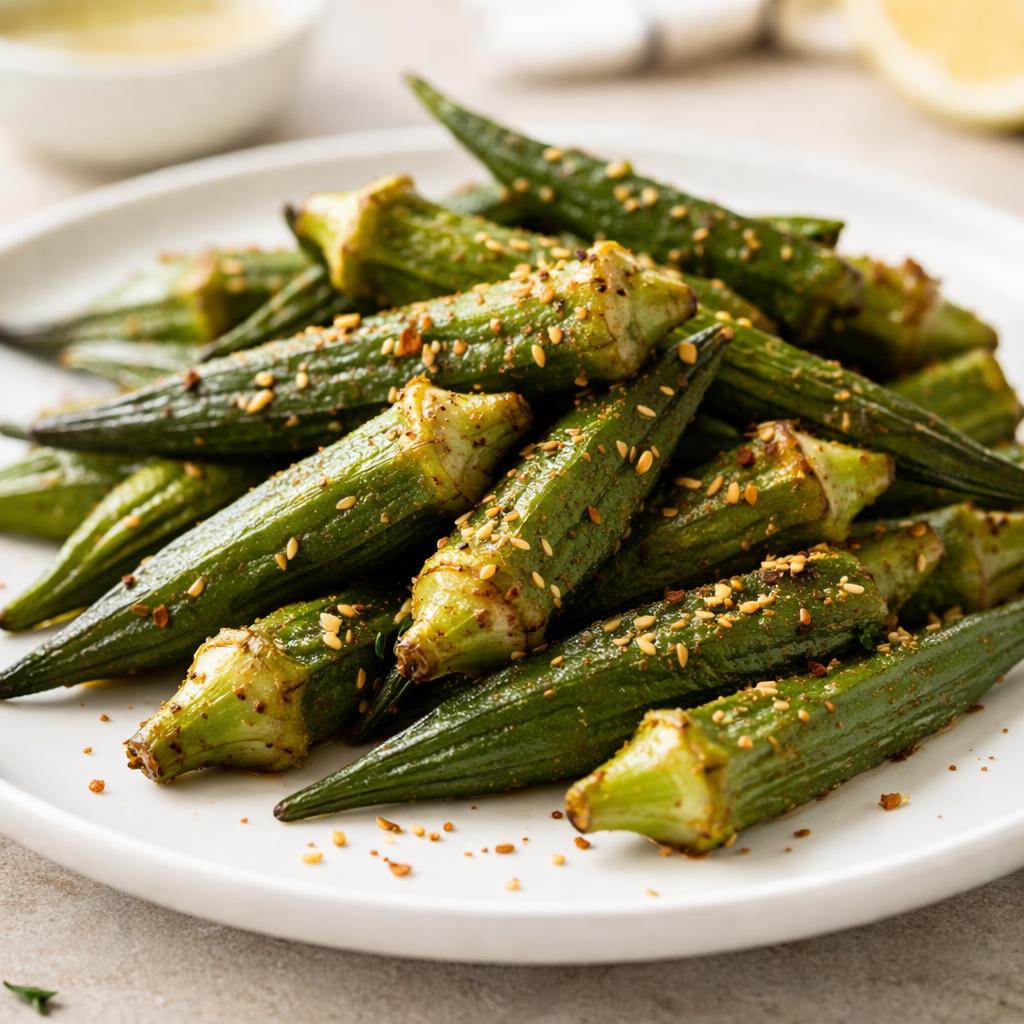
Okra
🎯 Quick Verdict
Broccoli and okra are nutrient-dense vegetables. Broccoli excels in protein content and has lower calories, while okra offers more fiber and is ideal for digestion. Both are excellent choices depending on your dietary goals, whether it's weight management or gut health support.

Smart Nutrition Tracking with SnapCalorie

📊 Nutritional Comparison
Macronutrients
| Nutrient | Food 1 | Food 2 | Winner |
|---|---|---|---|
| Calories | 55 per 100g | 33 per 100g | − |
| Protein | 4.2g per 100g | 1.9g per 100g | − |
| Carbs | 11.1g per 100g | 7.5g per 100g | − |
| Fat | 0.6g per 100g | 0.3g per 100g | − |
| Fiber | 2.6g per 100g | 3.2g per 100g | − |
Vitamins & Minerals
| Nutrient | Food 1 | Food 2 | Winner |
|---|---|---|---|
| Vitamin C | 89.2mg per 100g | 23mg per 100g | − |
| Vitamin K | 101.6mcg per 100g | 31.3mcg per 100g | − |
| Vitamin A | 31mcg per 100g | 375mcg per 100g | − |
| Iron | 0.7mg per 100g | 0.6mg per 100g | − |
| Calcium | 47mg per 100g | 82mg per 100g | − |
🏆 Category Winners
Protein
Broccoli contains over twice as much protein as okra per 100g.
Fiber
Okra contains about 23% more fiber per 100g compared to broccoli.
Calories
Okra is slightly lower in calories, making it ideal for low-calorie diets.
Vitamins
Broccoli is higher in Vitamin C and K, while okra leads in Vitamin A and calcium.
🥗 Diet Compatibility
Keto
Food 1: Compatible
Food 2: Compatible
Both foods are low in carbs and suitable for a keto diet.
Vegan
Food 1: Compatible
Food 2: Compatible
Both foods are entirely plant-based and align with vegan diets.
Gluten Free
Food 1: Compatible
Food 2: Compatible
Neither broccoli nor okra contains gluten.
Paleo
Food 1: Compatible
Food 2: Compatible
Both are whole vegetables and suitable for paleo diets.
Low-Carb
Food 1: Moderately compatible
Food 2: Moderately compatible
Both foods contain some carbs but are still relatively low-carb.
💪 Health Benefits Comparison
Food 1 Benefits
- High in Vitamin C for immune health.
- Good source of fiber for improved digestion.
- Contains phytochemicals to support cancer prevention.
Food 2 Benefits
- Rich in fiber to support gut health and digestion.
- High in Vitamin A for vision and immune support.
- Contains natural mucilage for soothing the digestive tract.
✅ The Bottom Line
Broccoli is ideal for those seeking higher protein and Vitamin C, making it perfect for weight management and immunity. Okra provides superior fiber and Vitamin A, supporting digestion and vision. Choose broccoli for fitness-focused meals and okra for sustained gut health.
Choose Food 1 for: Weight loss, protein intake, immunity boost
Choose Food 2 for: Digestive health, vision support, low-calorie diets


