Broccoli VS Mint
A detailed nutritional comparison
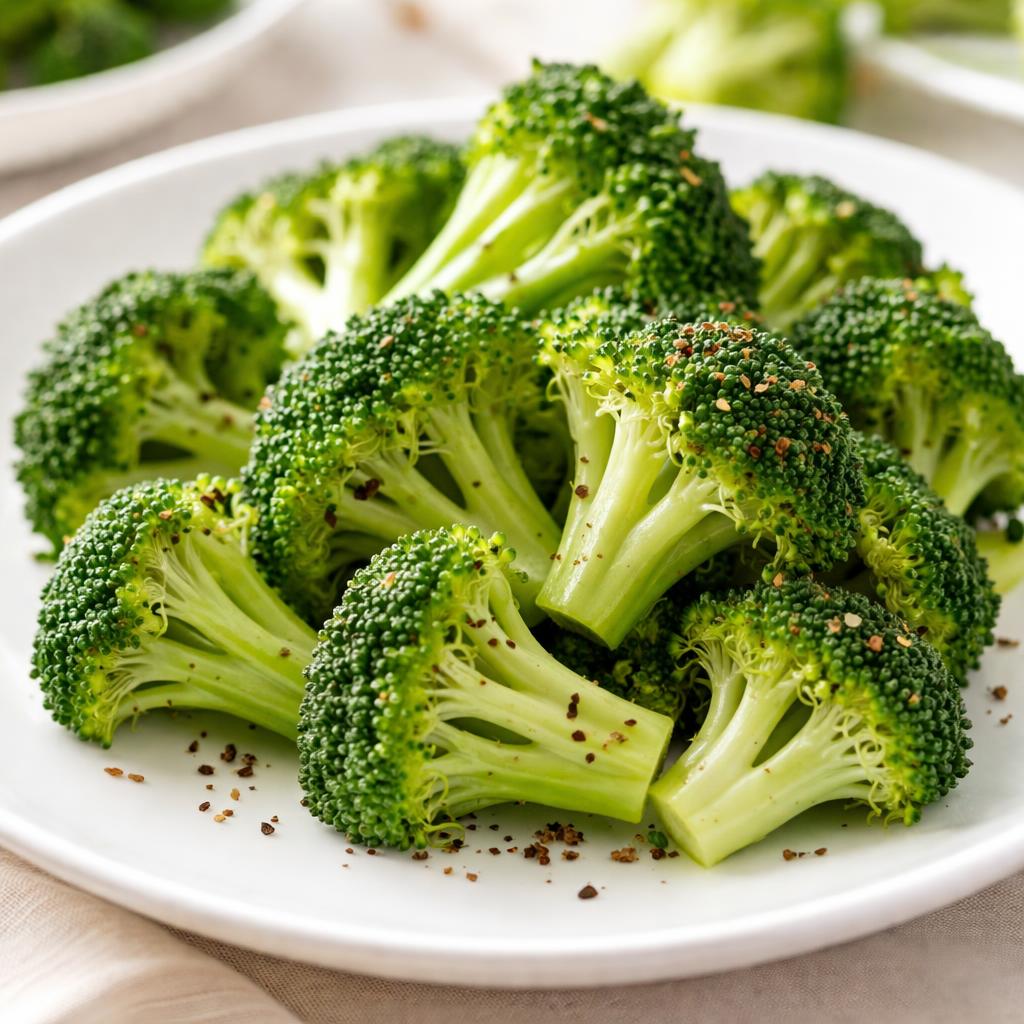
Broccoli
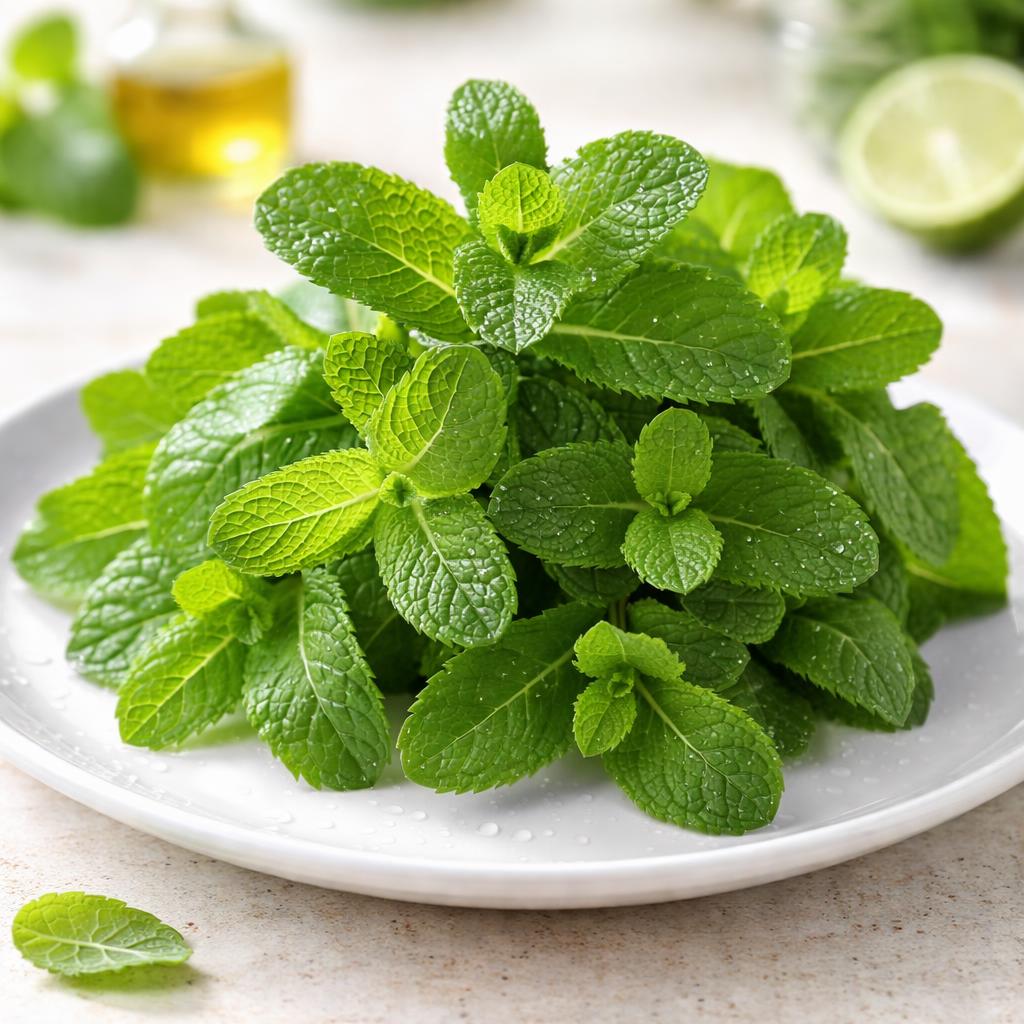
Mint
🎯 Quick Verdict
Broccoli and mint differ significantly in their nutritional profiles. Broccoli offers higher protein, fiber, and vitamins like Vitamin C and Calcium, making it ideal for overall health. Mint is lower in macronutrients but exceptionally rich in antioxidants and beneficial compounds, perfect for adding flavor or aiding digestion.

Smart Nutrition Tracking with SnapCalorie

📊 Nutritional Comparison
Macronutrients
| Nutrient | Food 1 | Food 2 | Winner |
|---|---|---|---|
| Calories | 34 | 30 | − |
| Protein | 2.8g | 1g | ✓ |
| Carbs | 6.6g | 5g | ✓ |
| Fat | 0.4g | 0.6g | ✓ |
| Fiber | 2.6g | 1.8g | ✓ |
Vitamins & Minerals
| Nutrient | Food 1 | Food 2 | Winner |
|---|---|---|---|
| Vitamin C | 89.2mg | 14mg | ✓ |
| Calcium | 47mg | 200mg | ✓ |
| Iron | 0.73mg | 5.08mg | ✓ |
🏆 Category Winners
Protein
Broccoli contains nearly 3 times more protein per serving than mint.
Fiber
Broccoli has 44% more fiber content than mint.
Calories
Both have low-calorie counts, ideal for weight management.
Vitamins
Broccoli outperforms mint in multiple vitamins, especially Vitamin C (6x higher).
🥗 Diet Compatibility
Keto
Food 1: Compatible
Food 2: Compatible
Both foods are low-carb and suitable for keto diets.
Vegan
Food 1: Compatible
Food 2: Compatible
Both are plant-based and vegan-friendly.
Gluten Free
Food 1: Compatible
Food 2: Compatible
Neither food contains gluten.
Paleo
Food 1: Compatible
Food 2: Compatible
Both foods align with paleo dietary guidelines.
Low Carb
Food 1: Compatible
Food 2: Compatible
Both are low in carbs and suitable for low-carb diets.
💪 Health Benefits Comparison
Food 1 Benefits
- Rich in Vitamin C for immune health
- High fiber for improved digestion
- Provides plant-based protein for muscle support
- Contains antioxidants to combat oxidative stress
Food 2 Benefits
- High in iron for oxygen transport and energy
- Rich in antioxidants to support overall health
- Contains compounds that aid digestion and reduce bloating
- Provides calcium for bone health
✅ The Bottom Line
Broccoli excels in protein, fiber, and vitamins, making it the better choice for a satiating, nutrient-dense food. Mint, in contrast, is a great low-calorie addition for flavor and digestive benefits. Choose broccoli for core meals and mint as a garnish or herbal remedy.
Choose Food 1 for: Meal prep, weight loss, nutrient density
Choose Food 2 for: Digestive health, flavor enhancement, boosting iron intake


