Broccoli VS Microgreens
A detailed nutritional comparison
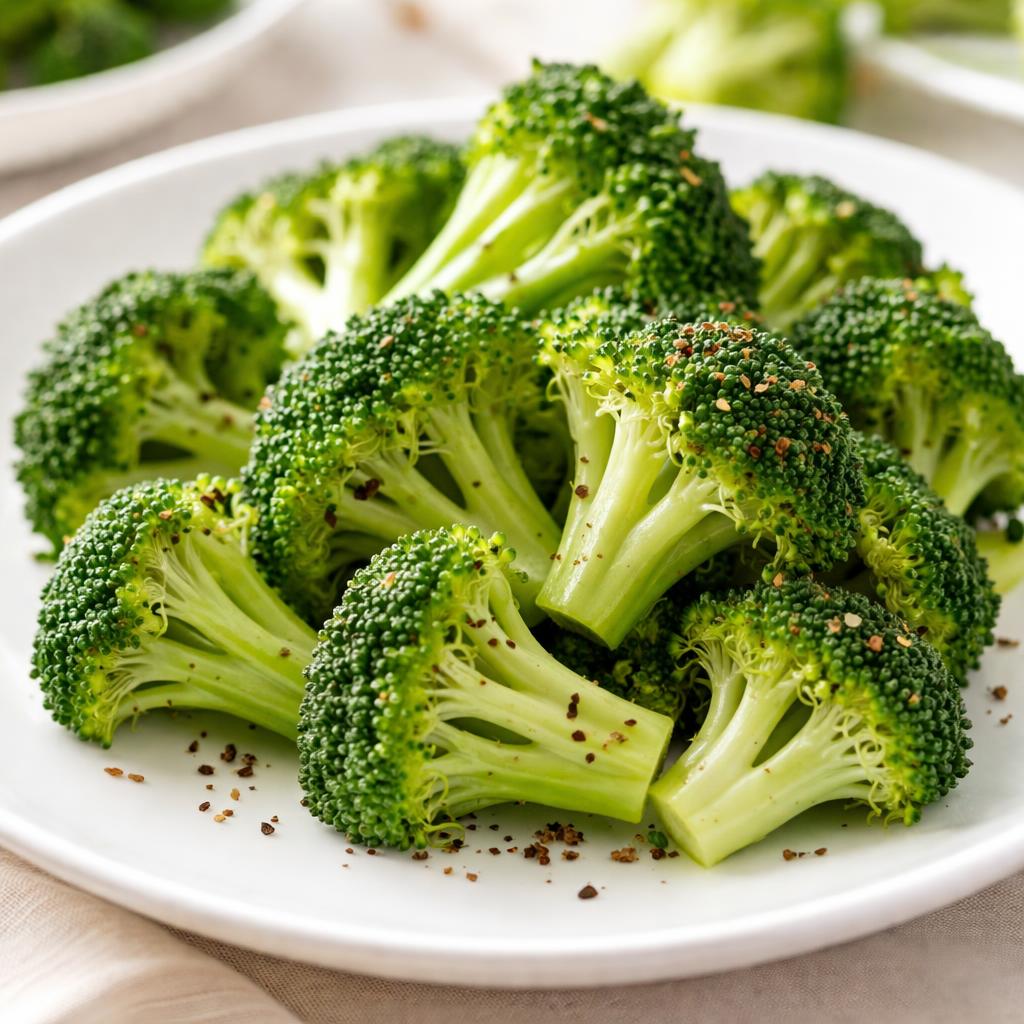
Broccoli
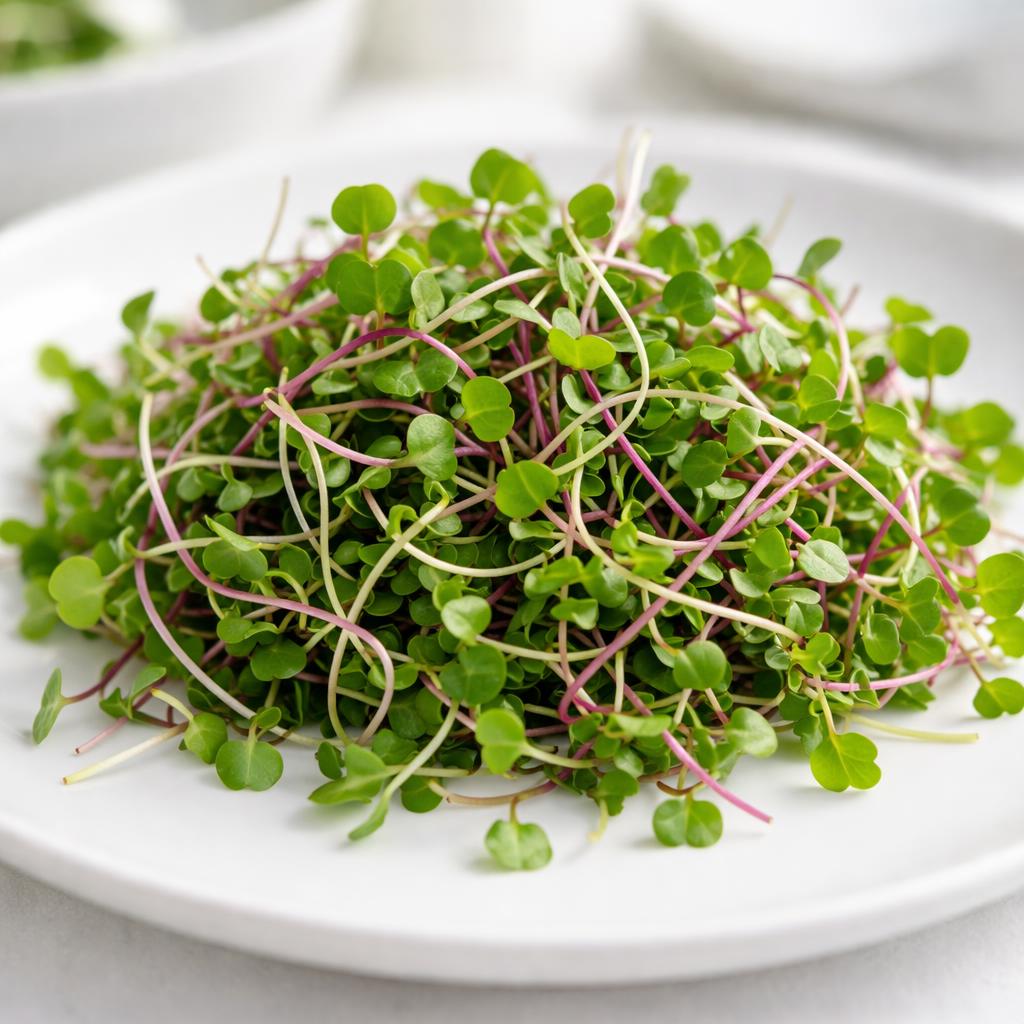
Microgreens
🎯 Quick Verdict
Broccoli and microgreens are both nutrient-dense choices, but broccoli has higher protein (2.8g vs 0.5g per 100g) and fiber (2.6g vs 1.6g per 100g), making it superior for digestion and muscle maintenance. Microgreens outperform broccoli in vitamin concentration per serving, particularly in vitamin C and antioxidants, appealing to those seeking maximum nutrient density in small portions.

Smart Nutrition Tracking with SnapCalorie

📊 Nutritional Comparison
Macronutrients
| Nutrient | Food 1 | Food 2 | Winner |
|---|---|---|---|
| Calories | 34 | 35 | − |
| Protein | 2.8g | 0.5g | − |
| Carbs | 6.4g | 4g | − |
| Fat | 0.4g | 0.3g | − |
| Fiber | 2.6g | 1.6g | − |
Vitamins & Minerals
| Nutrient | Food 1 | Food 2 | Winner |
|---|---|---|---|
| Vitamin C | 89.2mg | 90mg | − |
| Vitamin K | 101.6mcg | 80mcg | − |
| Vitamin A | 623IU | 200IU | − |
🏆 Category Winners
Protein
Broccoli has 460% more protein than microgreens per 100g.
Fiber
Broccoli contains 60% more fiber per serving, aiding digestion.
Calories
Both foods are low in calories and nearly identical in this metric.
Vitamins
Microgreens have slightly higher vitamin C and antioxidants per gram.
🥗 Diet Compatibility
Keto
Food 1: Compatible
Food 2: Compatible
Both are low in carbs and keto-friendly.
Vegan
Food 1: Compatible
Food 2: Compatible
Both are plant-based and suitable for vegan diets.
Gluten Free
Food 1: Compatible
Food 2: Compatible
Neither contains gluten.
Paleo
Food 1: Compatible
Food 2: Compatible
Each fits within paleo guidelines as whole, unprocessed foods.
Low-Carb
Food 1: Compatible
Food 2: Compatible
Both are naturally low in carbs.
💪 Health Benefits Comparison
Food 1 Benefits
- Rich in fiber for digestive health
- High in vitamin K for bone health and blood clotting
- Contains antioxidants that fight free radical damage
Food 2 Benefits
- Extremely nutrient-dense and concentrated source of vitamins
- High in antioxidants, promoting cellular health
- Promotes freshness and supports detoxification
✅ The Bottom Line
Broccoli excels in macronutrients like protein and fiber, making it a more filling food suitable for those focusing on muscle maintenance or digestive health. Microgreens, on the other hand, are ideal for adding an intense burst of nutrients to meals without adding bulk, particularly for salads or garnishes.
Choose Food 1 for: Weight loss, muscle maintenance, digestive health
Choose Food 2 for: Nutrient density, fresh salads, antioxidant boost


