Broccoli VS Low Fat Cottage Cheese
A detailed nutritional comparison
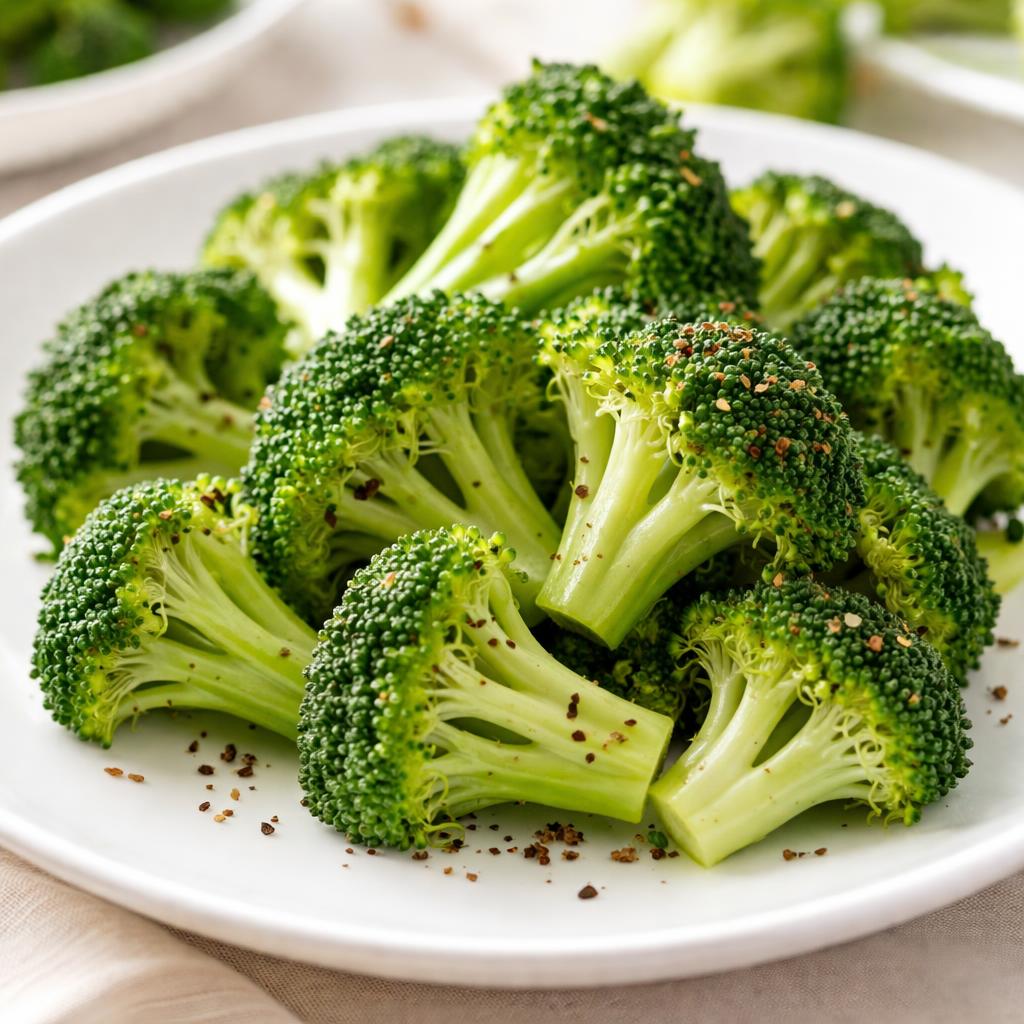
Broccoli
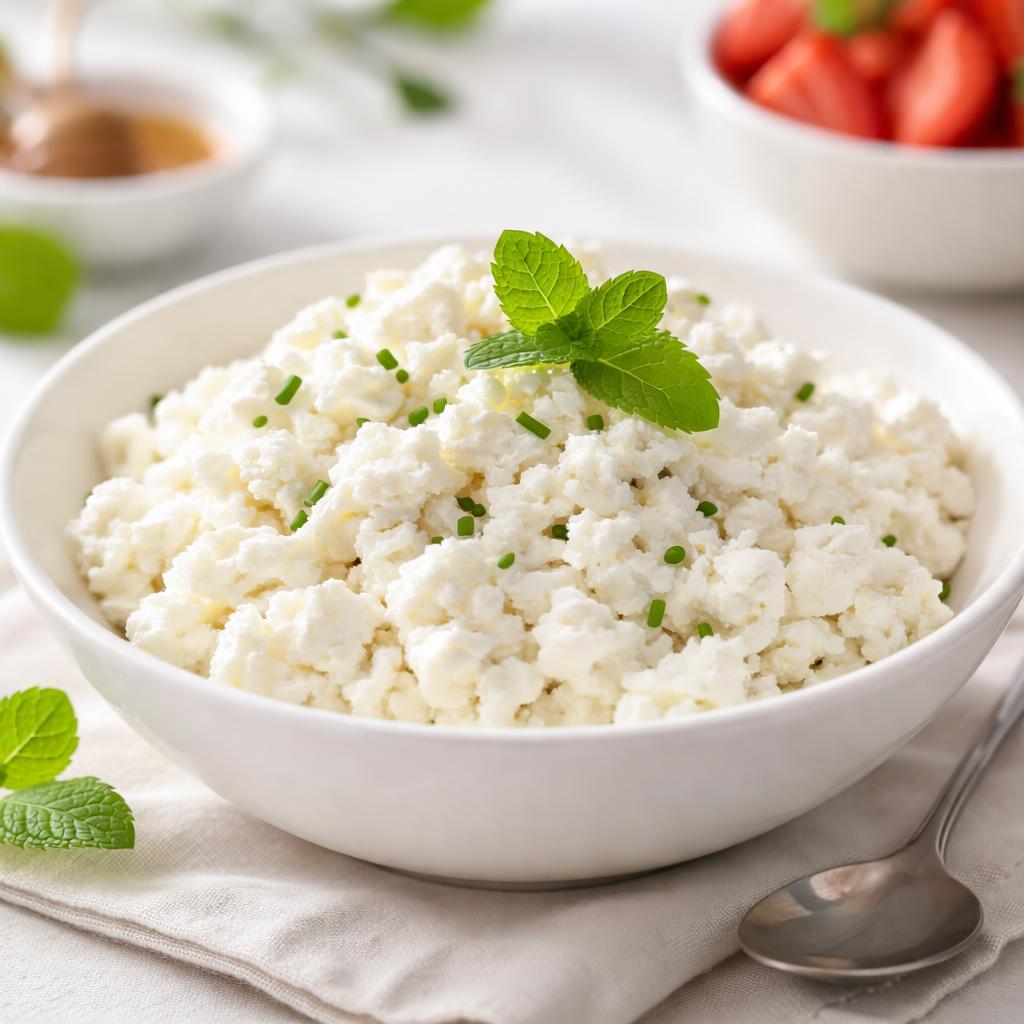
Low Fat Cottage Cheese
🎯 Quick Verdict
Broccoli and low-fat cottage cheese serve different nutritional purposes. Broccoli excels in fiber, lower calorie content, and vitamins like Vitamin C and K, making it ideal for digestion and nutrient density. Cottage cheese is much higher in protein, offering benefits for muscle growth and satiety, but lacks fiber and vitamins found in broccoli. Together, they can complement each other in a balanced diet.

Smart Nutrition Tracking with SnapCalorie

📊 Nutritional Comparison
Macronutrients
| Nutrient | Food 1 | Food 2 | Winner |
|---|---|---|---|
| Calories | 55 per 100g | 81 per 100g | ✓ |
| Protein | 4g | 11g | ✓ |
| Carbs | 11g | 3g | ✓ |
| Fat | 0.5g | 1.2g | ✓ |
| Fiber | 2.6g | 0g | ✓ |
Vitamins & Minerals
| Nutrient | Food 1 | Food 2 | Winner |
|---|---|---|---|
| Vitamin C | 89.2mg | 0mg | ✓ |
| Vitamin K | 101.6mcg | 0mcg | ✓ |
| Calcium | 47mg | 83mg | ✓ |
| Iron | 0.7mg | 0.1mg | ✓ |
🏆 Category Winners
Protein
Low-fat cottage cheese contains nearly three times more protein than broccoli, making it better for muscle growth.
Fiber
Broccoli has 2.6g of fiber per 100g, while cottage cheese contains none, promoting digestive health.
Calories
Broccoli is lower in calories, making it a better choice for weight loss and lower-calorie diets.
Vitamins
Broccoli is rich in essential vitamins like Vitamin C and K, which cottage cheese lacks.
🥗 Diet Compatibility
Keto
Food 1: Mostly Compatible
Food 2: Compatible
Broccoli is low-carb but higher in net carbs (11g) compared to cottage cheese's 3g net carbs.
Vegan
Food 1: Compatible
Food 2: Not Compatible
Cottage cheese is derived from milk, making it unsuitable for vegan diets, whereas broccoli is plant-based.
Gluten Free
Food 1: Compatible
Food 2: Compatible
Both foods are naturally gluten-free.
Paleo
Food 1: Compatible
Food 2: Not Compatible
Broccoli fits paleo guidelines, but cottage cheese does not as it is dairy-based.
Low-Carb
Food 1: Compatible
Food 2: Compatible
Both foods are relatively low in carbohydrates, but cottage cheese has fewer carbs than broccoli.
💪 Health Benefits Comparison
Food 1 Benefits
- Rich in antioxidants for cellular health
- Good source of fiber for digestion
- High in Vitamin C for immune function
- Provides anti-inflammatory benefits from phytonutrients
Food 2 Benefits
- High in protein for muscle maintenance and repair
- Provides calcium for strong bones
- Contains low lactose, suitable for sensitive stomachs
- Supports weight management due to high protein satiety
✅ The Bottom Line
Broccoli is your go-to for fiber, vitamins, and antioxidants, especially for weight loss, digestion, and overall nutrient density. Low-fat cottage cheese is a better choice if protein intake and muscle growth are your priorities, or if you're looking for satiating snacks. They complement each other well and can be combined in a balanced meal.
Choose Food 1 for: Weight loss, digestion, vitamin-rich diets, plant-based meals
Choose Food 2 for: High-protein diets, muscle gain, post-workout recovery, low-carb diets


