Broccoli VS Greek Salad
A detailed nutritional comparison
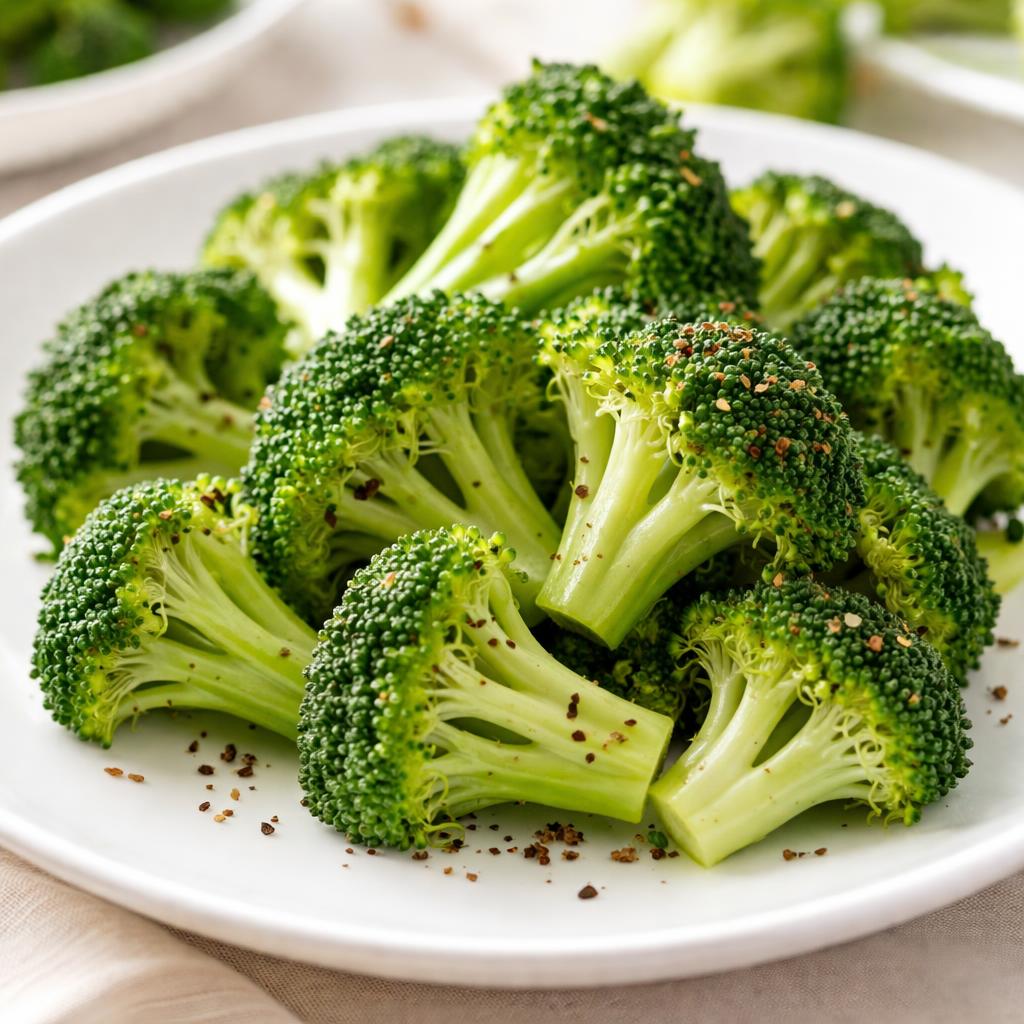
Broccoli
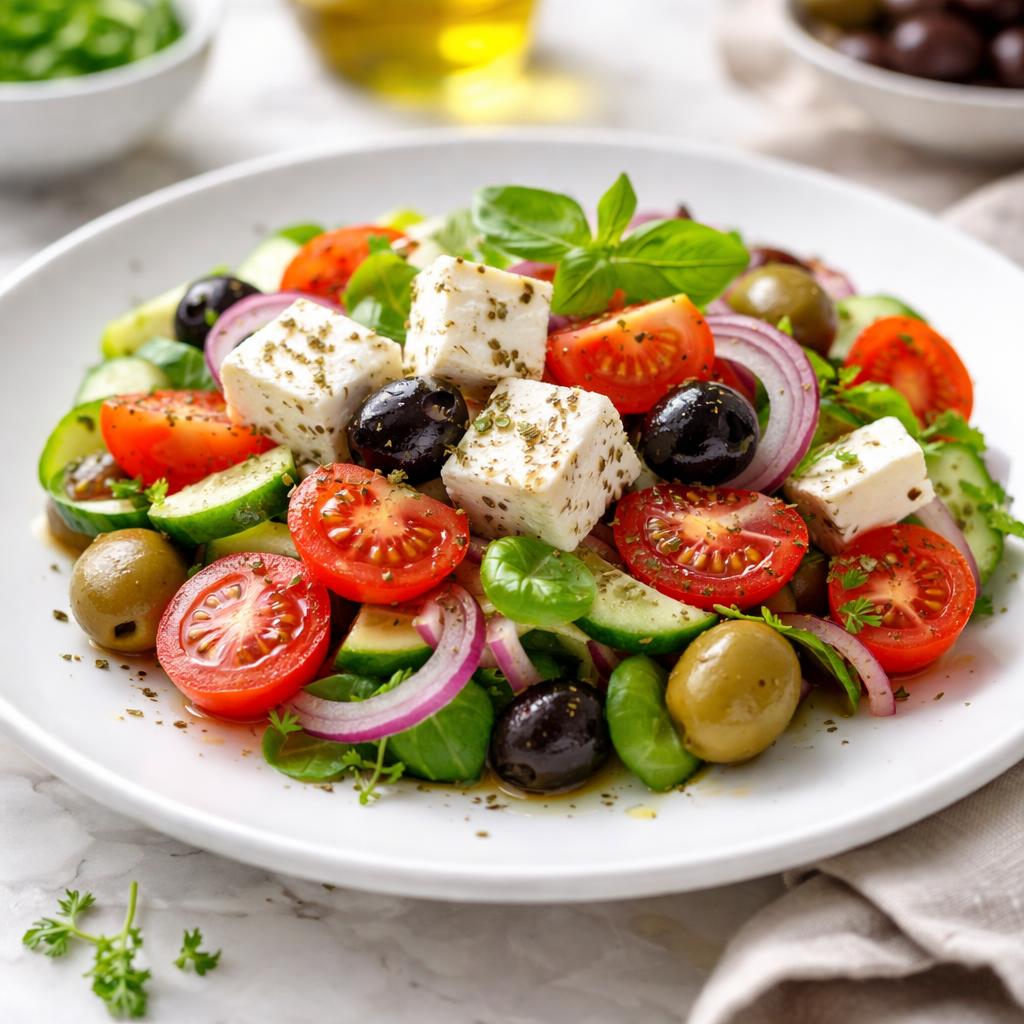
Greek Salad
🎯 Quick Verdict
Broccoli is a lower-calorie, nutrient-dense vegetable rich in fiber and vitamins, making it ideal for weight loss and digestive health. Greek salad, while higher in calories, offers healthy fats from olive oil and feta cheese, along with vitamin-rich ingredients like tomatoes and cucumbers, making it great for heart health and overall nutrient balance.

Smart Nutrition Tracking with SnapCalorie

📊 Nutritional Comparison
Macronutrients
| Nutrient | Food 1 | Food 2 | Winner |
|---|---|---|---|
| Calories | 55 (per 100g) | 120 (per serving) | − |
| Protein | 4g (per 100g) | 4g (per serving) | − |
| Carbs | 11g (per 100g) | 10g (per serving) | − |
| Fat | 0.5g (per 100g) | 9g (per serving) | − |
| Fiber | 3.7g (per 100g) | 1.5g (per serving) | − |
Vitamins & Minerals
| Nutrient | Food 1 | Food 2 | Winner |
|---|---|---|---|
| Vitamin C | 89mg (per 100g) | 6mg (per serving) | − |
| Vitamin A | 623 IU (per 100g) | 750 IU (per serving) | − |
| Calcium | 47mg (per 100g) | 150mg (per serving) | − |
| Iron | 0.73mg (per 100g) | 0.4mg (per serving) | − |
🏆 Category Winners
Protein
Both broccoli and Greek salad provide similar protein levels.
Fiber
Broccoli provides over twice as much fiber per serving compared to Greek salad.
Calories
Broccoli is significantly lower in calories compared to Greek salad (55 vs 120 calories).
Vitamins
Broccoli excels in vitamin C and iron, while Greek salad is higher in vitamin A and calcium.
🥗 Diet Compatibility
Keto
Food 1: Not Compatible
Food 2: Compatible
Greek salad is keto-friendly due to its high-fat content and low carbs, whereas broccoli is more carb-heavy for this diet.
Vegan
Food 1: Compatible
Food 2: Not Compatible
Broccoli is plant-based, while Greek salad contains feta cheese.
Gluten Free
Food 1: Compatible
Food 2: Compatible
Neither food contains gluten.
Paleo
Food 1: Compatible
Food 2: Partially Compatible
Broccoli fits well into the paleo diet, while Greek salad may need adjustments to exclude dairy (feta cheese).
Low-Carb
Food 1: Compatible
Food 2: Compatible
Both have relatively low carbohydrate content.
💪 Health Benefits Comparison
Food 1 Benefits
- High in fiber for improved digestion
- Loaded with vitamin C to boost immune health
- Rich in antioxidants for reducing inflammation
- Low calorie, making it ideal for weight management
Food 2 Benefits
- Provides healthy fats for heart health (olive oil, feta cheese)
- Rich in vitamin A for eye health (cucumber and tomatoes)
- Good source of calcium for strong bones
- Antioxidants from tomatoes and olive oil support overall wellness
✅ The Bottom Line
Broccoli is a nutrient-dense vegetable that's perfect for low-calorie diets and boosting fiber and vitamin C intake. Greek salad is higher in calories but offers healthy fats, vitamins, and minerals, making it a balanced option for heart health and daily energy needs.
Choose Food 1 for: Weight loss, digestion support, immunity boosting
Choose Food 2 for: Heart health, nutrient-rich meals, Mediterranean-inspired diets


