Broccoli VS Egg
A detailed nutritional comparison
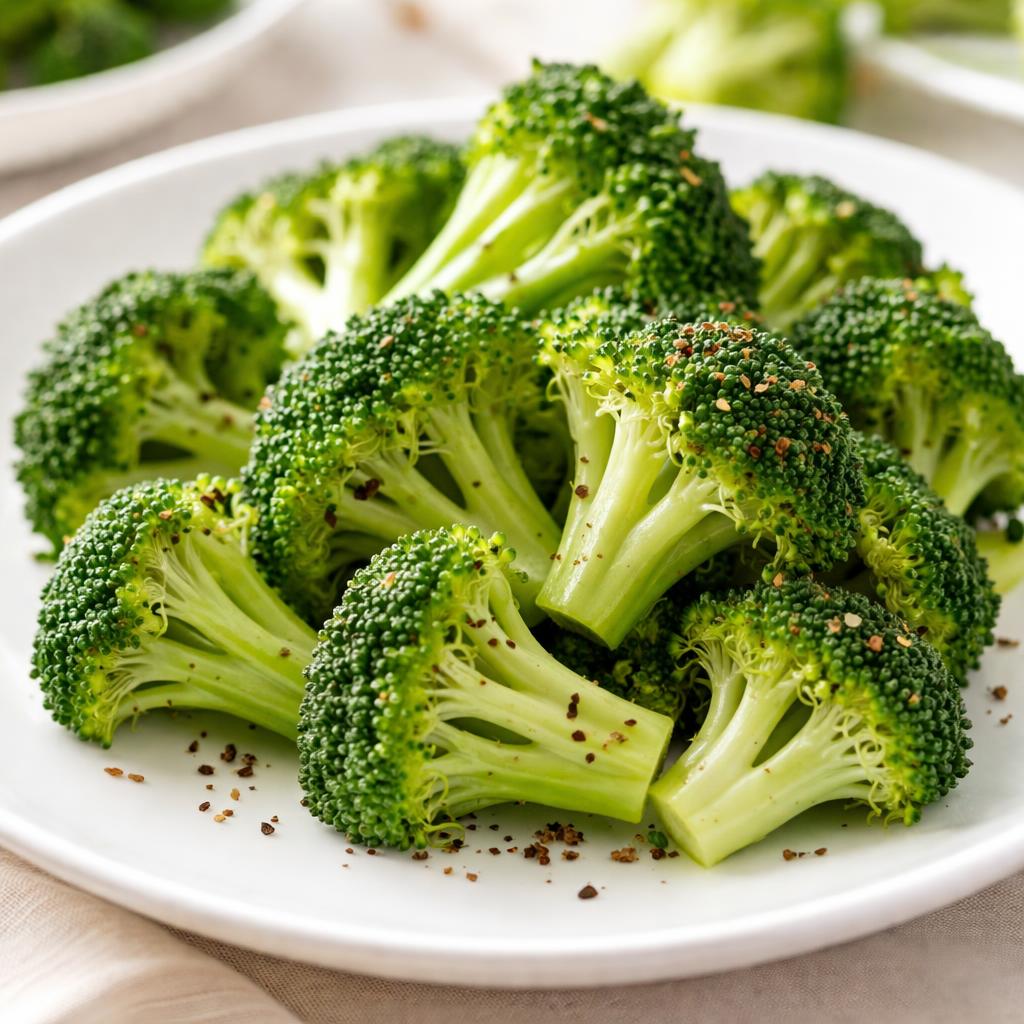
Broccoli
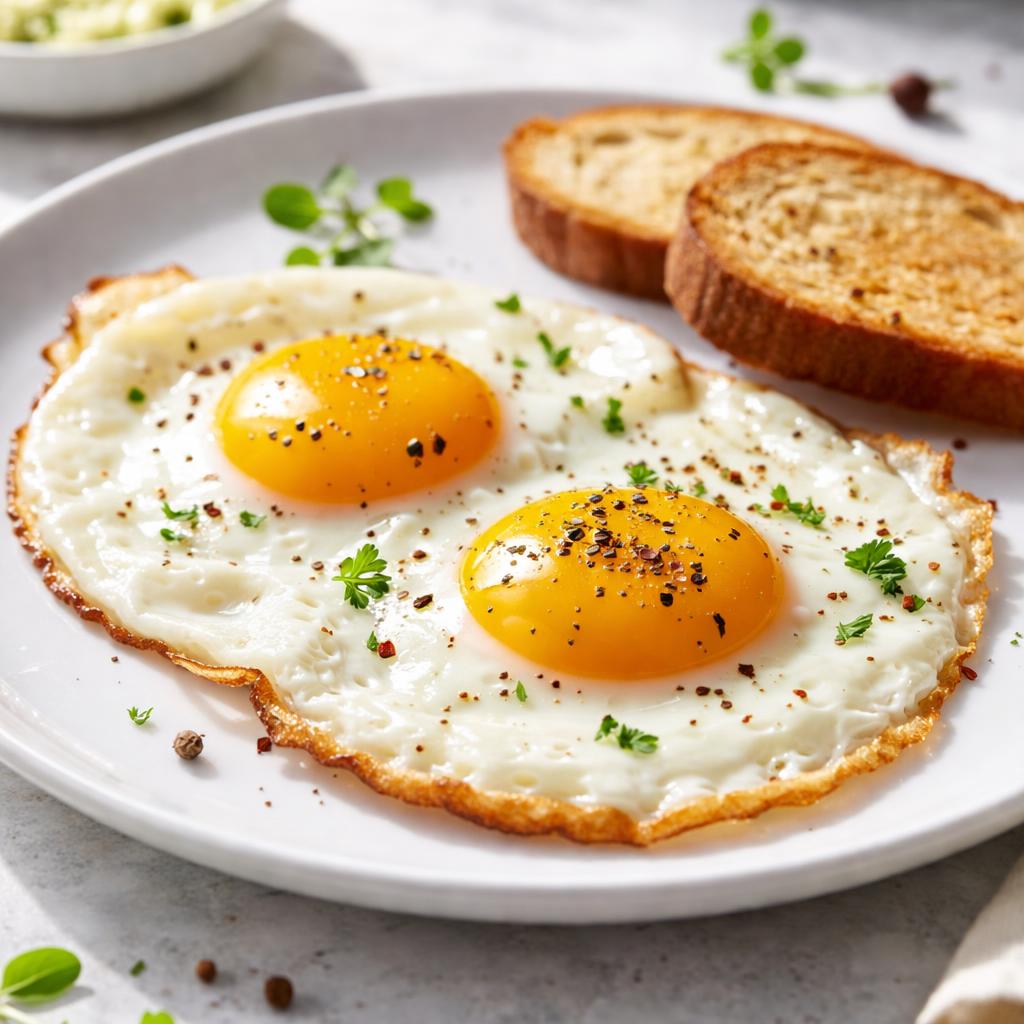
Egg
🎯 Quick Verdict
Broccoli and eggs are nutrient-dense foods, but they serve distinct dietary needs. Broccoli is lower in calories and rich in fiber, making it ideal for weight management and digestive health. Eggs are high in protein and healthy fats, making them a great choice for muscle maintenance and prolonged energy. Both offer excellent health benefits and complement various diets, from keto to paleo plans.

Smart Nutrition Tracking with SnapCalorie

📊 Nutritional Comparison
Macronutrients
| Nutrient | Food 1 | Food 2 | Winner |
|---|---|---|---|
| Calories | 55 | 72 | ✓ |
| Protein | 4.3g | 6.3g | ✓ |
| Carbs | 11.2g | 0.6g | ✓ |
| Fat | 0.5g | 5g | ✓ |
| Fiber | 2.4g | 0g | ✓ |
Vitamins & Minerals
| Nutrient | Food 1 | Food 2 | Winner |
|---|---|---|---|
| Vitamin D | 0mcg | 1mcg | ✓ |
| Calcium | 43mg | 25mg | ✓ |
| Iron | 0.7mg | 0.9mg | ✓ |
| Vitamin C | 81mg | 0mg | ✓ |
🏆 Category Winners
Protein
Eggs have about 47% more protein per serving than broccoli.
Fiber
Broccoli contains 2.4g of fiber, while eggs provide none.
Calories
Broccoli contains 30% fewer calories compared to eggs.
Vitamins
Broccoli is rich in vitamin C, while eggs provide vitamin D.
🥗 Diet Compatibility
Keto
Food 1: Not Compatible
Food 2: Compatible
Eggs are low-carb, whereas broccoli contains 11.2g of carbs per serving.
Vegan
Food 1: Compatible
Food 2: Not Compatible
Broccoli is plant-based; eggs are animal-derived.
Gluten Free
Food 1: Compatible
Food 2: Compatible
Neither broccoli nor eggs contain gluten.
Paleo
Food 1: Compatible
Food 2: Compatible
Both broccoli and eggs fit paleo dietary standards.
Low Carb
Food 1: Not Compatible
Food 2: Compatible
Eggs are very low in carbs, while broccoli has moderate carb content.
💪 Health Benefits Comparison
Food 1 Benefits
- High fiber content supports digestive health.
- Rich in vitamin C, boosting immunity.
- Provides antioxidants that combat inflammation.
- Low-calorie, ideal for weight management.
Food 2 Benefits
- Excellent source of protein, aiding muscle growth.
- Contains healthy fats for sustained energy.
- Good source of vitamin D for bone and immune health.
- Rich in choline, supporting brain function.
✅ The Bottom Line
Choose broccoli for fiber, immunity support, and weight management, and eggs for protein, healthy fats, and brain health. Both are nutrient dense and suit a range of diets. Pair them together for a balanced meal.
Choose Food 1 for: Weight loss, vegan diets, digestion support
Choose Food 2 for: Muscle growth, keto diets, brain health


