Broccoli VS Chickpea Salad
A detailed nutritional comparison
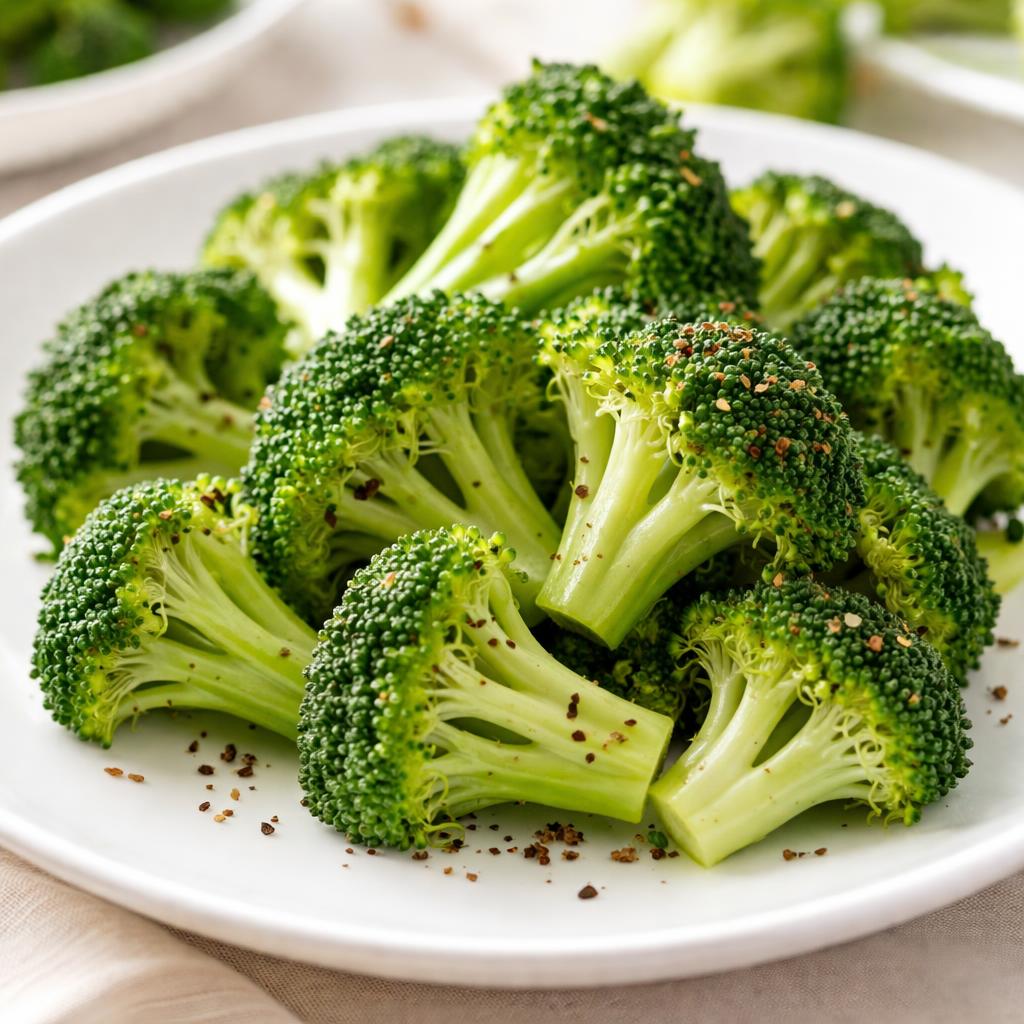
Broccoli
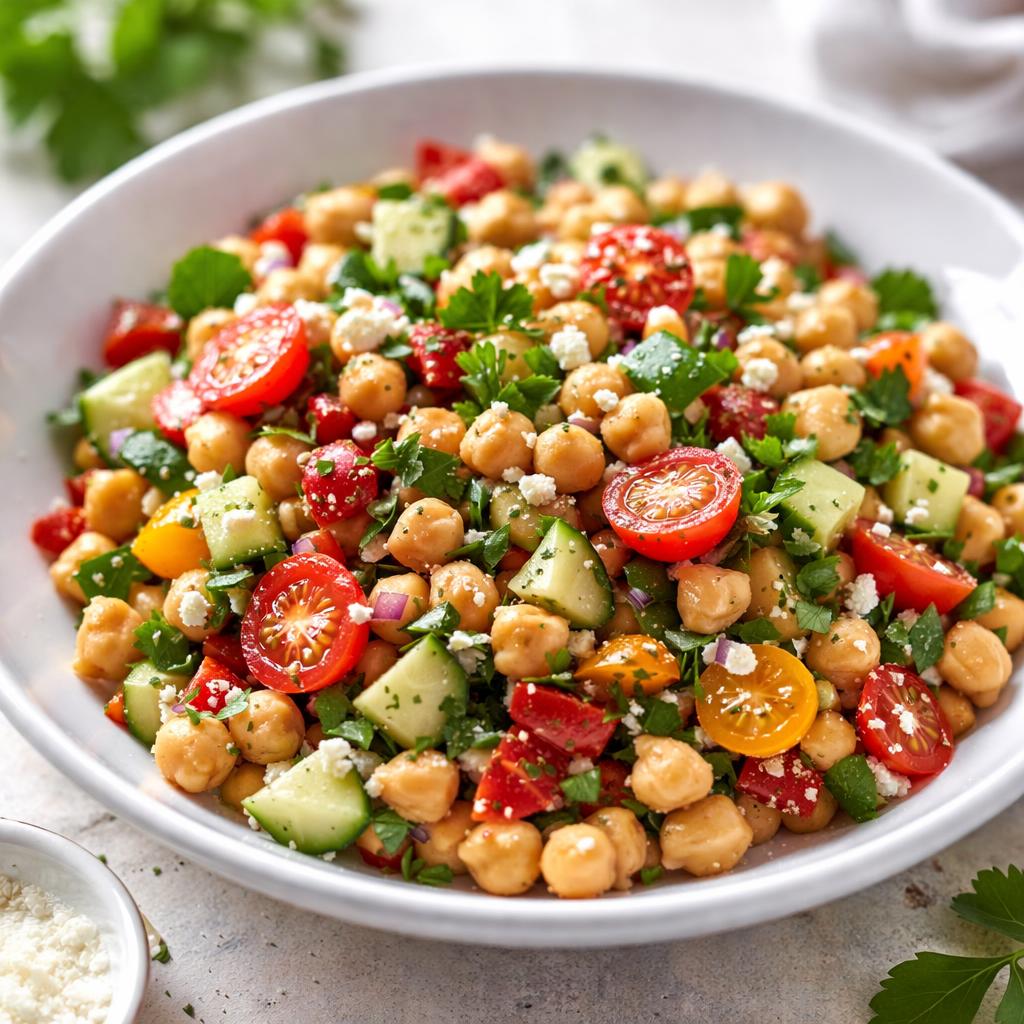
Chickpea Salad
🎯 Quick Verdict
Broccoli is lower in calories and offers a strong source of vitamins C and K, while chickpea salad is higher in protein and fiber, making it ideal for satiety and energy. Broccoli fits well into weight-loss and nutrient-density goals, while chickpea salad serves as a heartier option for plant-based protein and sustained energy.

Smart Nutrition Tracking with SnapCalorie

📊 Nutritional Comparison
Macronutrients
| Nutrient | Food 1 | Food 2 | Winner |
|---|---|---|---|
| Calories | 55 per 1 cup (91g) | 170 per 1 cup (160g) | ✓ |
| Protein | 4.7g | 14.8g | ✓ |
| Carbs | 11.2g | 26.3g | ✓ |
| Fat | 0.6g | 8.1g | ✓ |
| Fiber | 2.4g | 8.2g | ✓ |
Vitamins & Minerals
| Nutrient | Food 1 | Food 2 | Winner |
|---|---|---|---|
| Vitamin C | 81.2mg (90% DV) | 4.3mg (5% DV) | ✓ |
| Vitamin K | 92.5mcg (77% DV) | 26.3mcg (22% DV) | ✓ |
| Iron | 1mg (11% DV) | 3.2mg (36% DV) | ✓ |
| Calcium | 62mg (5% DV) | 57mg (4% DV) | ✓ |
🏆 Category Winners
Protein
Chickpea salad contains over 3x the protein of broccoli per serving.
Fiber
Chickpea salad has 3x more fiber, supporting digestive health.
Calories
Broccoli is significantly lower in calories, ideal for weight management.
Vitamins
Broccoli is more concentrated in essential vitamins like C and K.
🥗 Diet Compatibility
Keto
Food 1: Not Compatible
Food 2: Not Compatible
Both foods are moderate to high in carbs, exceeding typical keto limits per serving.
Vegan
Food 1: Compatible
Food 2: Compatible
Both foods are plant-based and suitable for vegan diets.
Gluten Free
Food 1: Compatible
Food 2: Compatible
Neither food contains gluten.
Paleo
Food 1: Compatible
Food 2: Not Compatible
Broccoli fits paleo guidelines, but chickpeas are legumes which are excluded.
Low-Carb
Food 1: Compatible
Food 2: Not Compatible
Broccoli is lower in carbs, suitable for low-carb diets.
💪 Health Benefits Comparison
Food 1 Benefits
- Rich in vitamin C to support immune function
- Vitamin K promotes bone health
- Low in calories, aiding weight loss
- Contains antioxidants for reducing inflammation
Food 2 Benefits
- High in plant-based protein for muscle maintenance
- Rich source of fiber, improving digestion and fullness
- Contains iron for better oxygen transport
- Healthy fats from olive oil if included in the salad
✅ The Bottom Line
Choose broccoli when optimizing for lower calories, nutrient density, and vitamin intake. Chickpea salad is better for those seeking higher protein, fiber, and sustained energy. Both meet vegan and gluten-free dietary needs, but broccoli is more versatile for paleo and low-carb diets.
Choose Food 1 for: Weight loss, nutrient density, paleo diets, immune support
Choose Food 2 for: Plant-based protein, digestion, heart health, sustained energy


