Broccoli VS Cabbage
A detailed nutritional comparison
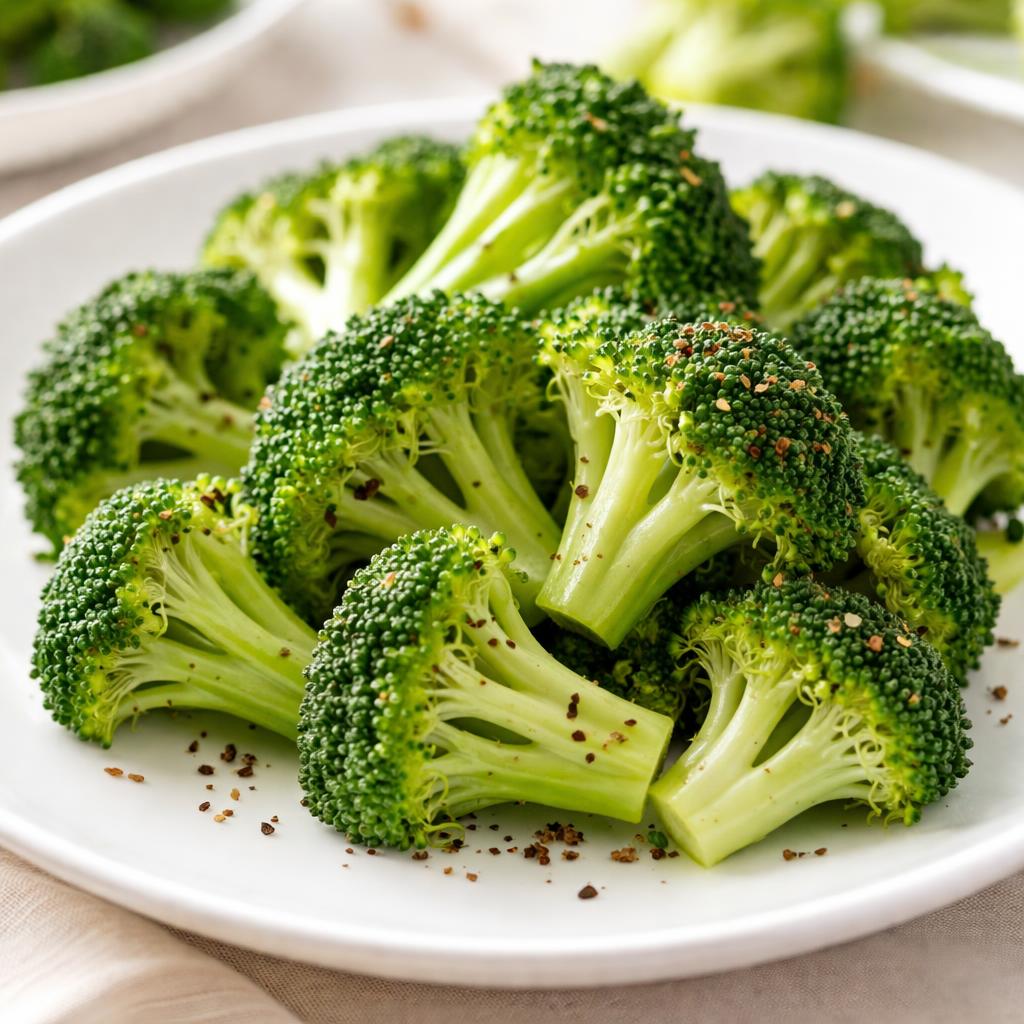
Broccoli
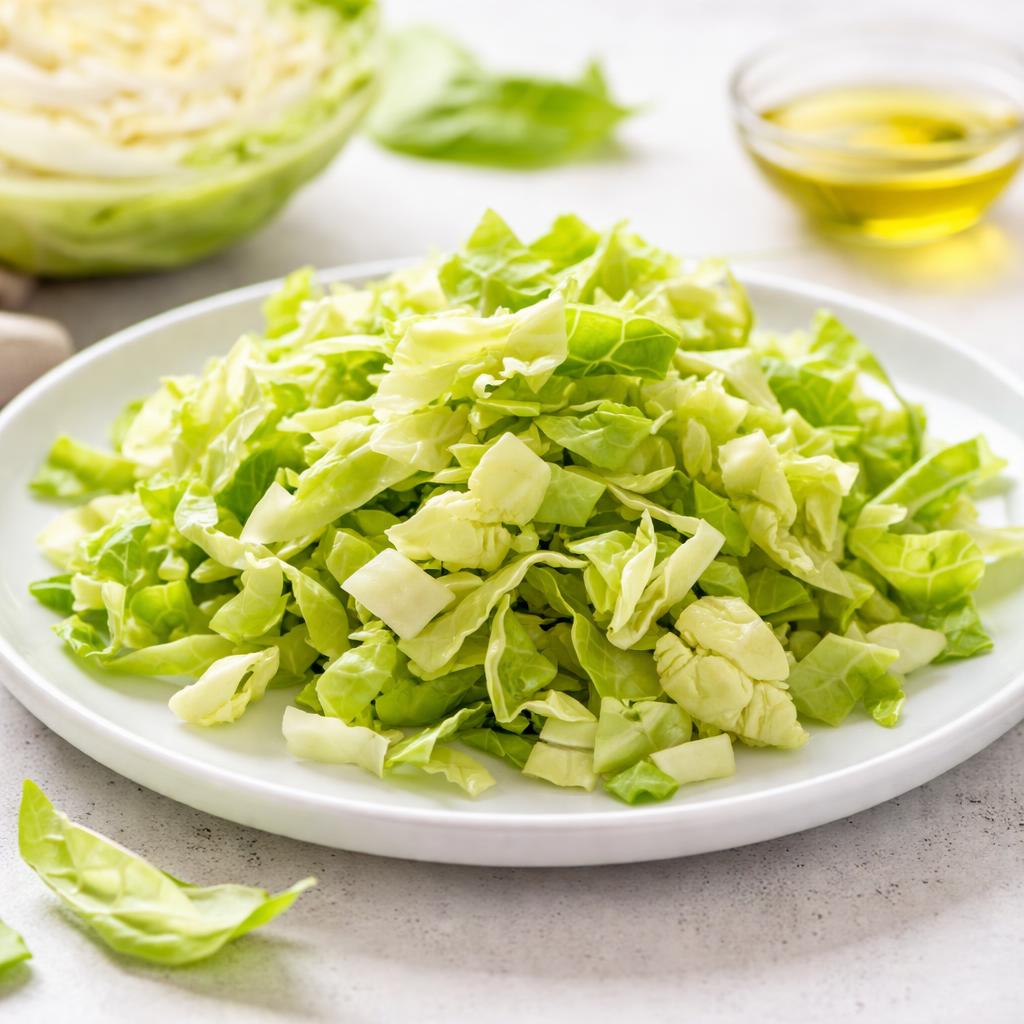
Cabbage
🎯 Quick Verdict
Broccoli offers more protein, fiber, and fewer calories compared to cabbage, making it a nutrient-dense option for weight management and muscle maintenance. Cabbage provides slightly fewer nutrients overall but has a mild flavor and is excellent for making fermented foods like sauerkraut for digestive health.

Smart Nutrition Tracking with SnapCalorie

📊 Nutritional Comparison
Macronutrients
| Nutrient | Food 1 | Food 2 | Winner |
|---|---|---|---|
| Calories | 31 | 25 | ✓ |
| Protein | 2.5g | 1.3g | ✓ |
| Carbs | 6g | 5.8g | ✓ |
| Fat | 0.3g | 0.1g | ✓ |
| Fiber | 2.4g | 2.0g | ✓ |
Vitamins & Minerals
| Nutrient | Food 1 | Food 2 | Winner |
|---|---|---|---|
| Vitamin C | 89.2mg | 36.6mg | ✓ |
| Vitamin K | 92mcg | 81mcg | ✓ |
| Folate | 63mcg | 43mcg | ✓ |
🏆 Category Winners
Protein
Broccoli has nearly double the protein compared to cabbage.
Fiber
Broccoli provides 20% more fiber, beneficial for digestion.
Calories
Cabbage contains slightly fewer calories compared to broccoli.
Vitamins
Broccoli is richer in Vitamin C, Vitamin K, and Folate overall.
🥗 Diet Compatibility
Keto
Food 1: Compatible
Food 2: Compatible
Both are low-carb and suitable for keto diets.
Vegan
Food 1: Compatible
Food 2: Compatible
Both foods are plant-based and vegan-friendly.
Gluten Free
Food 1: Compatible
Food 2: Compatible
Neither contains gluten.
Paleo
Food 1: Compatible
Food 2: Compatible
Whole vegetables are suitable for paleo lifestyles.
Low-Carb
Food 1: Compatible
Food 2: Compatible
Both have low carbohydrate content per serving.
💪 Health Benefits Comparison
Food 1 Benefits
- High in Vitamin C, supports immune function.
- Rich in fiber, aids in digestion and gut health.
- Contains phytonutrients known for anti-inflammatory benefits.
- Supports bone health due to Vitamin K content.
Food 2 Benefits
- Low in calories and provides energy without promoting weight gain.
- Rich in antioxidants, supports cell protection and aging prevention.
- Can be used to make fermented foods like sauerkraut for gut health.
- Contains compounds that may assist with heart health.
✅ The Bottom Line
Broccoli is a more nutrient-dense option overall, suited for those seeking high-protein, high-fiber, and vitamin-rich foods for weight management and active lifestyles. Cabbage is a lower-calorie alternative with digestive benefits and is ideal for fermented dishes or lighter meals.
Choose Food 1 for: Muscle maintenance, weight loss, nutrient density, post-workout meals
Choose Food 2 for: Gut health (especially fermented), heart health, low-calorie diets


