Broccoli VS Bulgur
A detailed nutritional comparison
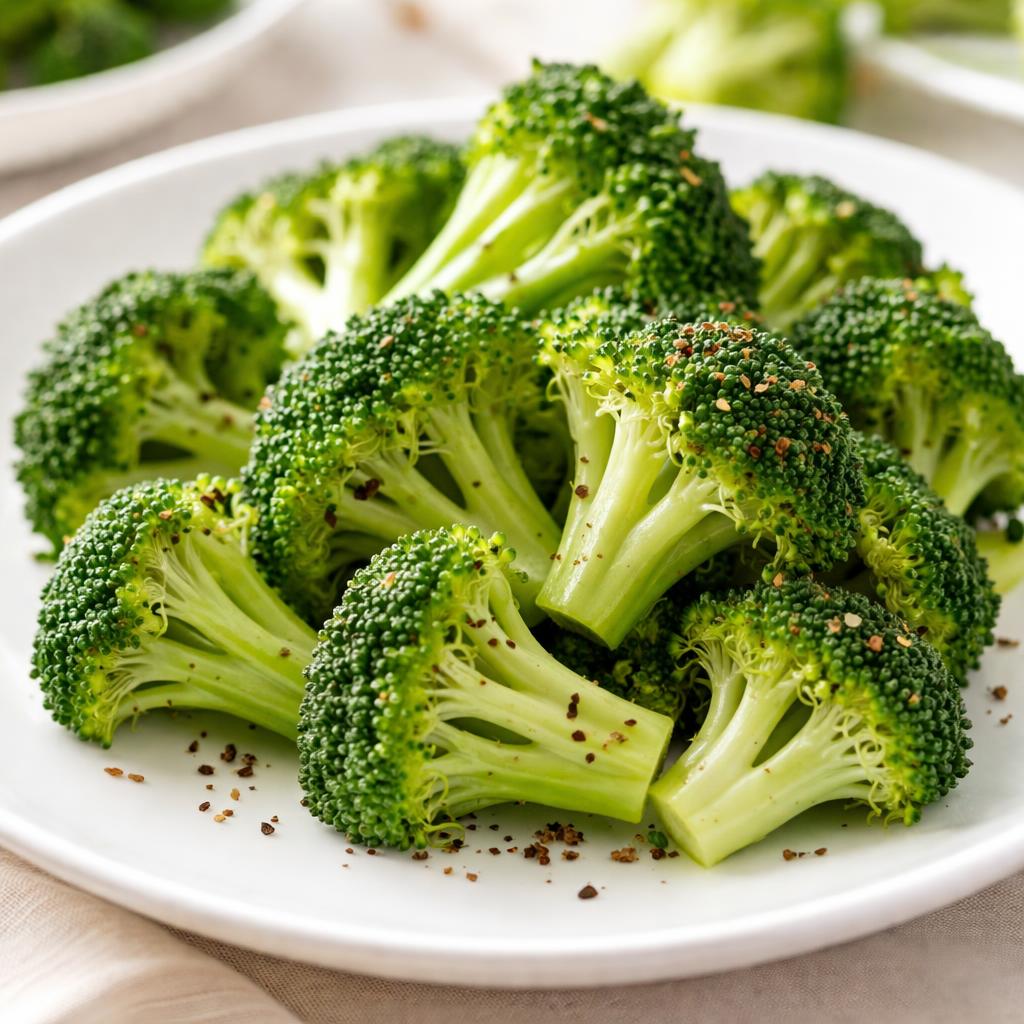
Broccoli
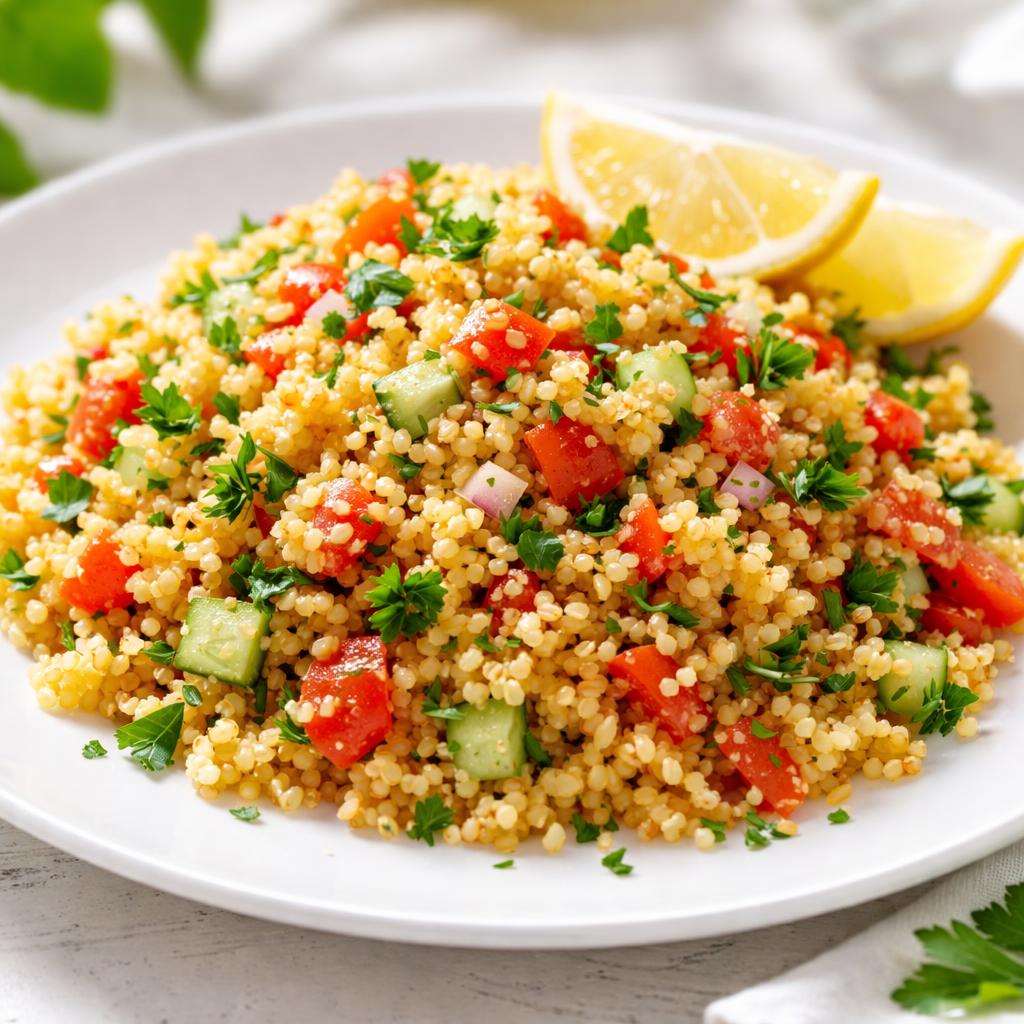
Bulgur
🎯 Quick Verdict
Broccoli is lower in calories, higher in fiber, and provides more vitamin C, making it great for weight loss and digestion. Bulgur is higher in protein and carbohydrates, as well as some minerals like iron, making it an excellent choice for energy and nutrient-packed meals.

Smart Nutrition Tracking with SnapCalorie

📊 Nutritional Comparison
Macronutrients
| Nutrient | Food 1 | Food 2 | Winner |
|---|---|---|---|
| Calories | 55 per 100g | 83 per 100g | − |
| Protein | 4g per 100g | 3.1g per 100g | − |
| Carbs | 11g per 100g | 18.6g per 100g | − |
| Fat | 0.6g per 100g | 0.2g per 100g | − |
| Fiber | 3.7g per 100g | 4.5g per 100g | − |
Vitamins & Minerals
| Nutrient | Food 1 | Food 2 | Winner |
|---|---|---|---|
| Vitamin C | 89mg per 100g | 0mg per 100g | − |
| Vitamin K | 101mcg per 100g | 1.7mcg per 100g | − |
| Iron | 0.7mg per 100g | 0.96mg per 100g | − |
🏆 Category Winners
Protein
Bulgur contains slightly higher protein content (3.1g vs 2.8g per 100g).
Fiber
Both foods are excellent sources of fiber, but bulgur edges slightly ahead (4.5g vs 3.7g per 100g).
Calories
Broccoli has significantly fewer calories per serving.
Vitamins
Broccoli is very high in vitamin C and K, which are minimal in bulgur.
🥗 Diet Compatibility
Keto
Food 1: Compatible
Food 2: Not Compatible
Broccoli fits into keto and low-carb diets, bulgur does not due to its high carb content.
Vegan
Food 1: Compatible
Food 2: Compatible
Both foods are plant-based and suitable for vegan diets.
Gluten Free
Food 1: Compatible
Food 2: Not Compatible
Broccoli is naturally gluten-free, but bulgur contains gluten as it is made from wheat.
Paleo
Food 1: Compatible
Food 2: Not Compatible
Broccoli meets paleo diet standards, bulgur does not due to being processed grain.
Low-Carb
Food 1: Compatible
Food 2: Not Compatible
Broccoli is low in carbohydrates compared to bulgur.
💪 Health Benefits Comparison
Food 1 Benefits
- Low in calories, great for weight management
- High in fiber, supports digestion
- Rich in antioxidants like vitamin C, strengthens the immune system
- Good source of vitamin K, promotes bone health
Food 2 Benefits
- Good source of plant-based protein, supports muscle maintenance
- High in fiber, helps regulate blood sugar and digestion
- Provides B vitamins like folate for energy production
- Contains iron, supports oxygen transport in the body
✅ The Bottom Line
Broccoli is the better choice for weight loss, keto, and gluten-free diets, offering significant vitamins and low calories. Bulgur is best for individuals seeking energy, fiber, and plant protein for wholesome meals.
Choose Food 1 for: Weight loss, digestion support, antioxidant intake
Choose Food 2 for: Energy-rich meals, fiber boost, nutrient-dense plant proteins


