Broccoli VS Baby Spinach
A detailed nutritional comparison
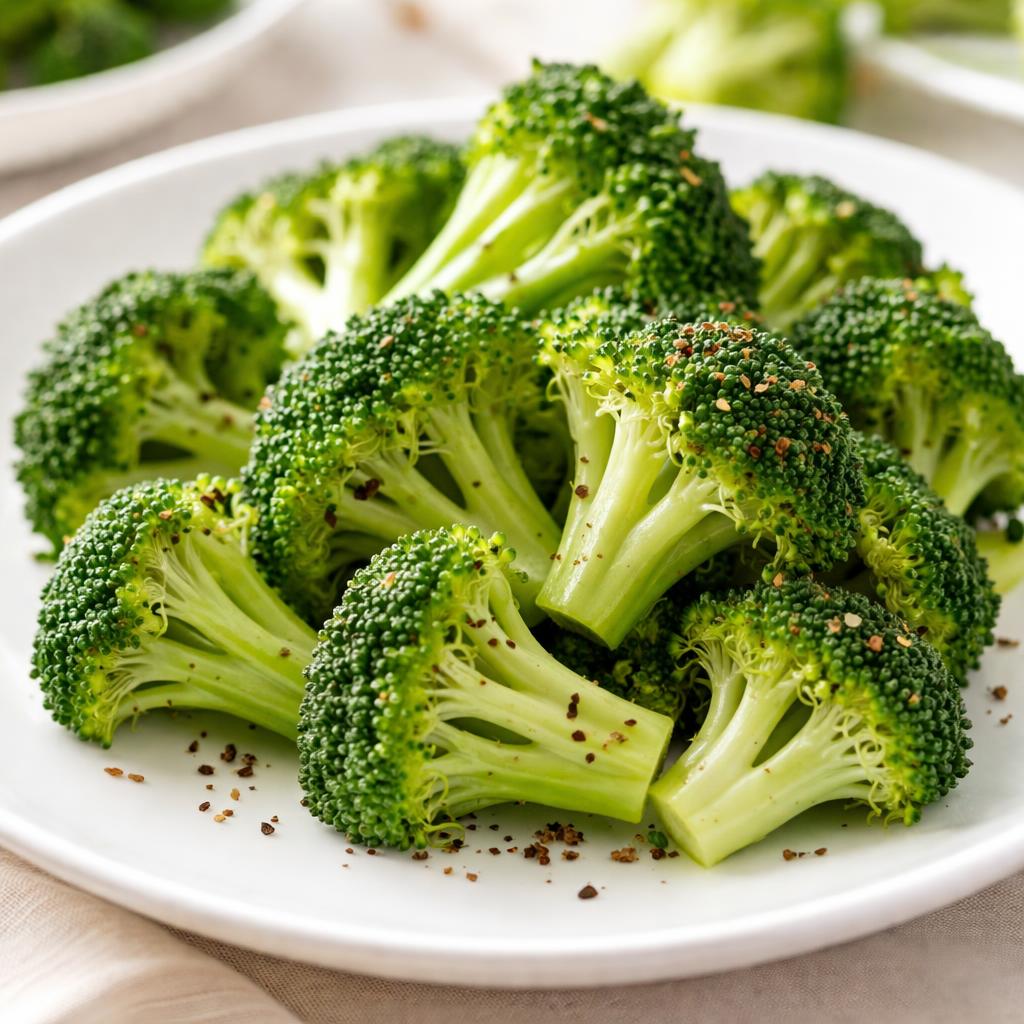
Broccoli
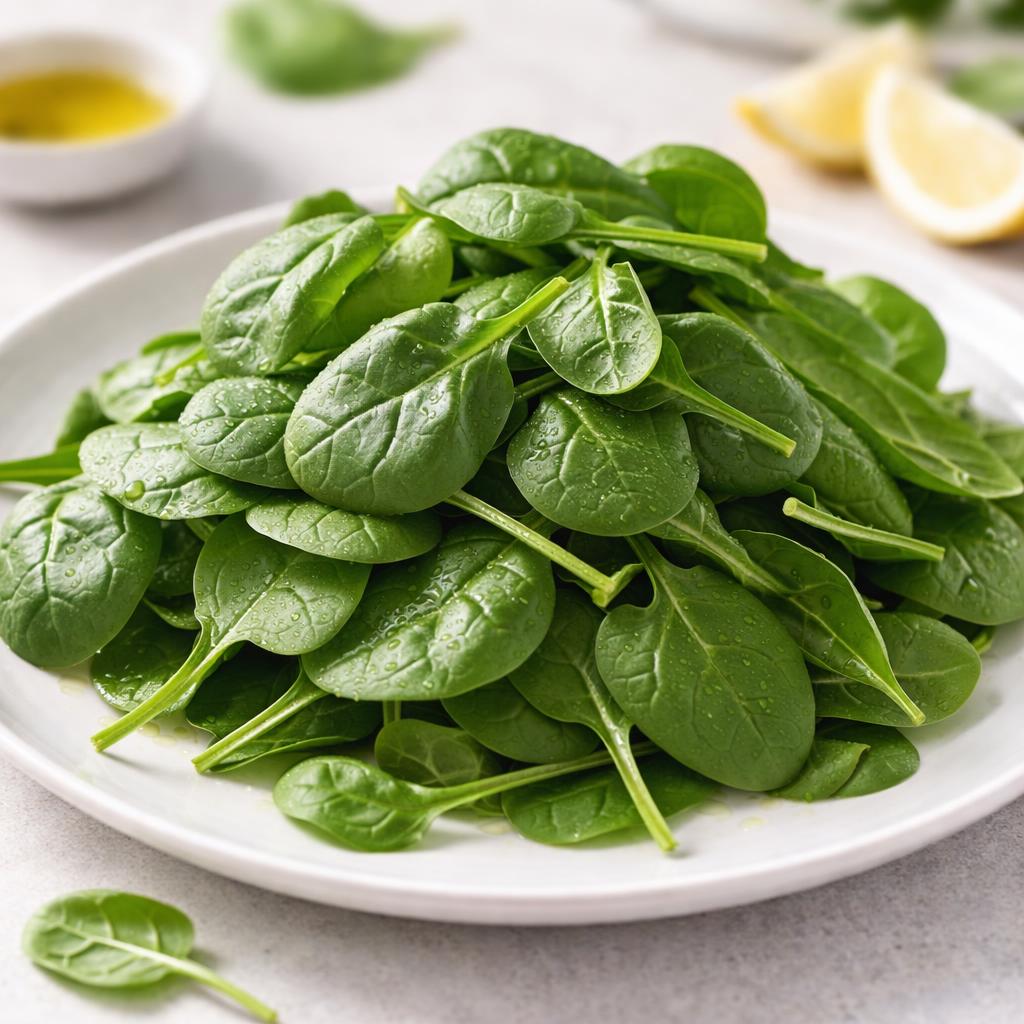
Baby Spinach
🎯 Quick Verdict
Broccoli and baby spinach are nutrient-dense vegetables, each with unique strengths. Broccoli stands out for higher fiber content and vitamin C levels, while baby spinach is richer in iron and vitamin K. Both are excellent staples in a balanced diet and versatile for a range of meals.

Smart Nutrition Tracking with SnapCalorie

📊 Nutritional Comparison
Macronutrients
| Nutrient | Food 1 | Food 2 | Winner |
|---|---|---|---|
| Calories | 55 per cup (91g) | 7 per cup (30g) | − |
| Protein | 2.3g per cup | 0.9g per cup | − |
| Carbs | 11.2g per cup | 1.1g per cup | ✓ |
| Fat | 0.6g per cup | 0.1g per cup | ✓ |
| Fiber | 2.4g per cup | 0.7g per cup | ✓ |
Vitamins & Minerals
| Nutrient | Food 1 | Food 2 | Winner |
|---|---|---|---|
| Vitamin C | 81mg per cup | 8.4mg per cup | ✓ |
| Vitamin K | 92mcg per cup | 145mcg per cup | ✓ |
| Iron | 0.7mg per cup | 0.8mg per cup | ✓ |
| Calcium | 43mg per cup | 30mg per cup | ✓ |
🏆 Category Winners
Protein
Both vegetables provide small but similar amounts of protein.
Fiber
Broccoli provides over 3x the fiber content compared to baby spinach per serving.
Calories
Both are very low in calories, ideal for weight management.
Vitamins
Broccoli excels in vitamin C, while baby spinach is richer in vitamin K and iron.
🥗 Diet Compatibility
Keto
Food 1: Compatible
Food 2: Compatible
Both are low in carbs and fit within a ketogenic diet.
Vegan
Food 1: Compatible
Food 2: Compatible
Both are plant-based, nutrient-rich options.
Gluten Free
Food 1: Compatible
Food 2: Compatible
Neither vegetable contains gluten.
Paleo
Food 1: Compatible
Food 2: Compatible
Suitable for paleo diets as whole, unprocessed vegetables.
Low-Carb
Food 1: Compatible
Food 2: Compatible
Both are very low-carb and ideal for low-carb meal plans.
💪 Health Benefits Comparison
Food 1 Benefits
- High fiber content for digestive health
- Excellent source of vitamin C for immune support
- Rich in antioxidants that protect against cellular damage
Food 2 Benefits
- High vitamin K content for bone health
- Rich in iron for better oxygen transport in the body
- Low in calories, ideal for weight management
✅ The Bottom Line
Broccoli and baby spinach are nutrient-rich vegetables that complement each other. Choose broccoli for higher fiber and vitamin C content, and baby spinach for iron and vitamin K. Both options are versatile and suitable for various dietary needs.
Choose Food 1 for: Improving digestion, boosting immunity, high-fiber meals
Choose Food 2 for: Bone health, iron-rich diets, low-calorie snacks


