Breadsticks VS French Bread
A detailed nutritional comparison

Breadsticks
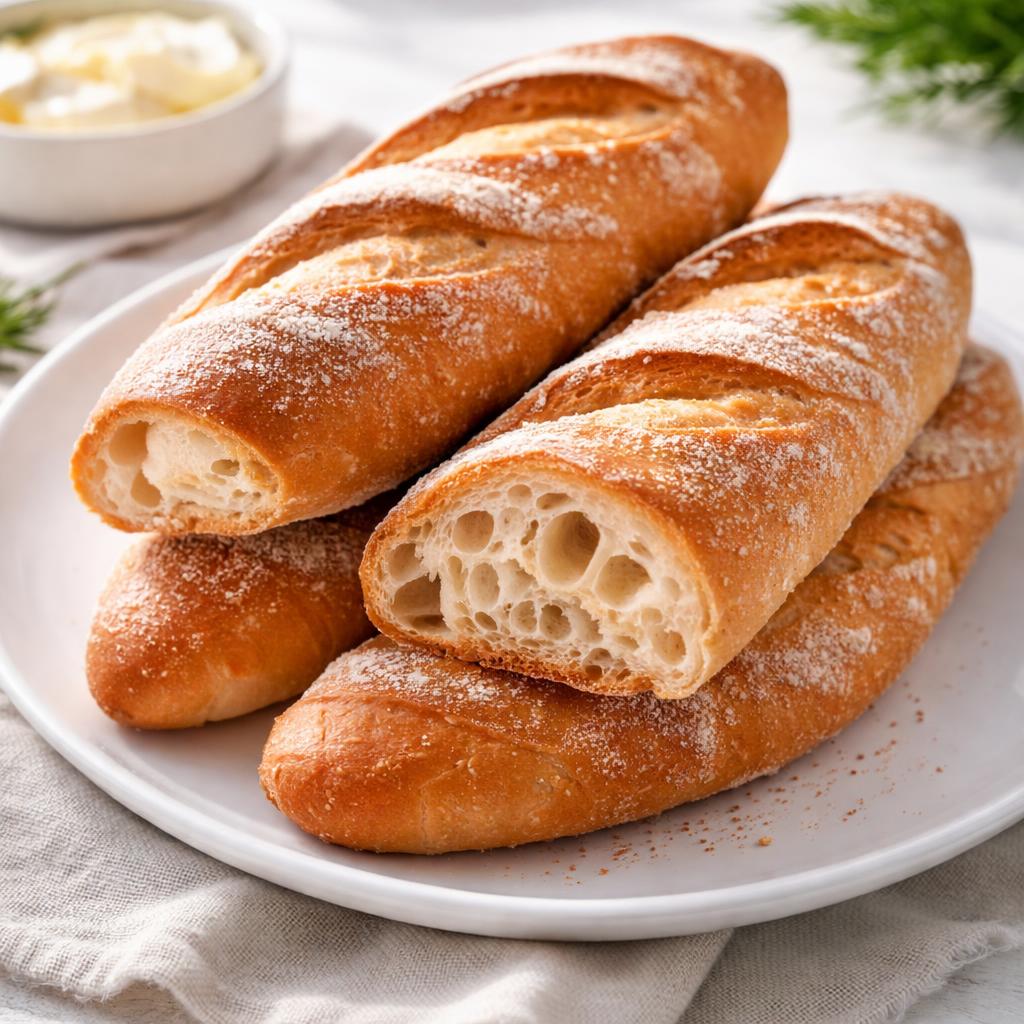
French Bread
🎯 Quick Verdict
French bread and breadsticks are both enriched wheat products, but French bread is more nutrient-dense, offering slightly more protein and vitamins for the same portion size. Breadsticks are lower in calories and fat, making them a more calorie-conscious choice. Each serves different use cases: French bread suits heartier meals, while breadsticks work well as light snacks or side dishes.

Smart Nutrition Tracking with SnapCalorie

📊 Nutritional Comparison
Macronutrients
| Nutrient | Food 1 | Food 2 | Winner |
|---|---|---|---|
| Calories | 150 per 50g | 200 per 50g | ✓ |
| Protein | 5g | 7g | ✓ |
| Carbs | 25g | 40g | ✓ |
| Fat | 3g | 1g | ✓ |
| Fiber | 2g | 2g | − |
Vitamins & Minerals
| Nutrient | Food 1 | Food 2 | Winner |
|---|---|---|---|
| Vitamin B1 (Thiamine) | 0.1mg | 0.3mg | ✓ |
| Calcium | 10mg | 20mg | ✓ |
| Iron | 1mg | 2.7mg | ✓ |
🏆 Category Winners
Protein
French bread has 40% more protein than breadsticks.
Fiber
Both foods offer the same amount of fiber (2g per serving).
Calories
Breadsticks have 25% fewer calories than French bread per serving size.
Vitamins
French bread provides more vitamins and minerals, particularly iron and thiamine.
🥗 Diet Compatibility
Keto
Food 1: Not Compatible
Food 2: Not Compatible
Both foods are high in carbohydrates.
Vegan
Food 1: Usually Compatible
Food 2: Usually Compatible
Both are typically made with vegan-friendly ingredients, but check for dairy in recipes.
Gluten Free
Food 1: Not Compatible
Food 2: Not Compatible
Neither food is gluten-free.
Paleo
Food 1: Not Compatible
Food 2: Not Compatible
Wheat-based products do not fit into a paleo diet.
Low Carb
Food 1: Not Compatible
Food 2: Not Compatible
Both foods are carb-heavy, with over 25g of carbs per serving.
💪 Health Benefits Comparison
Food 1 Benefits
- Lower in calories for weight management
- Provides a moderate amount of fiber for digestive health
- Convenient portion size for snacks or side dishes
Food 2 Benefits
- Higher protein content supports muscle health
- Rich in iron for improved energy and oxygen transport
- Contains thiamine for energy metabolism
✅ The Bottom Line
Choose breadsticks if you're looking to limit calories and want a light, snack-like option. French bread is better for meals where extra protein, minerals, and vitamins are desired. Both foods complement different dietary goals and use cases.
Choose Food 1 for: Weight-conscious meals, snacks, lighter side dishes
Choose Food 2 for: Hearty meals, protein intake, nutrient-rich side dishes


