Breadsticks VS Black Bread
A detailed nutritional comparison
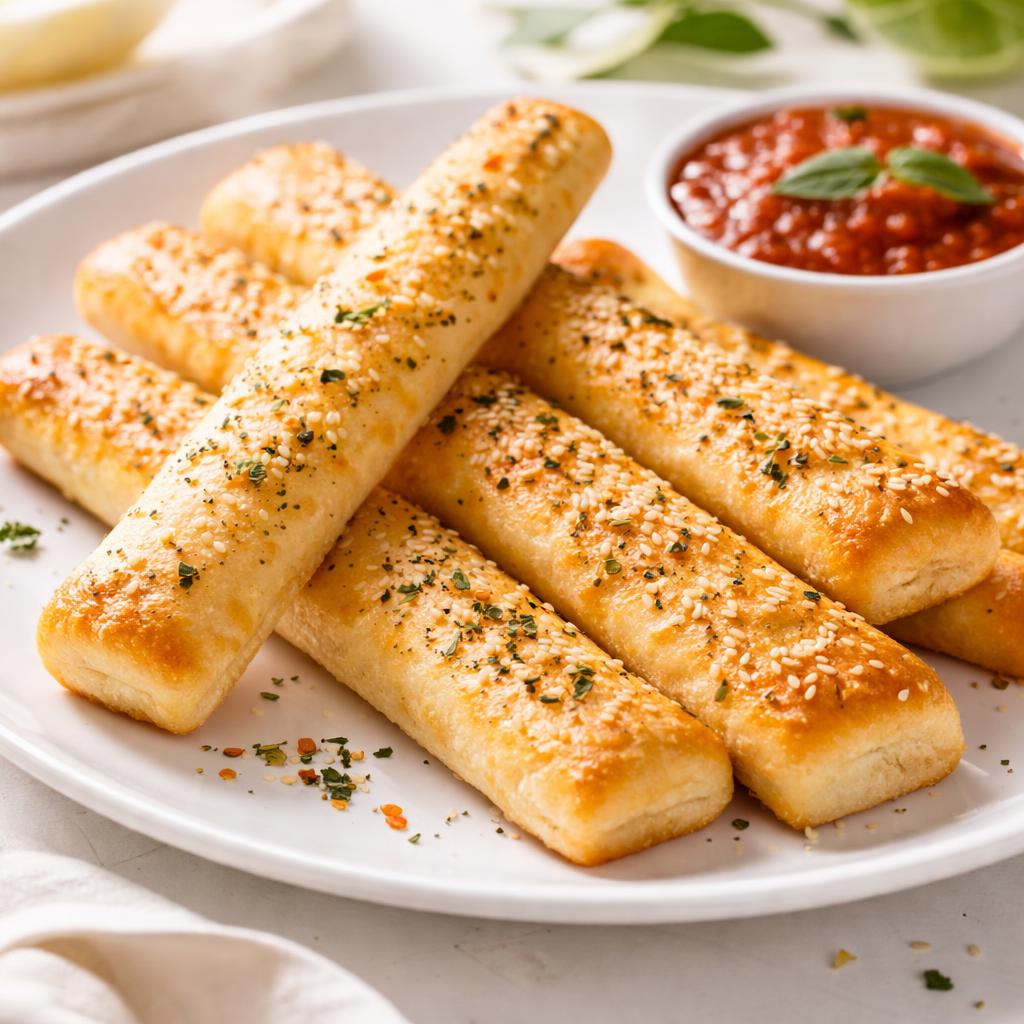
Breadsticks
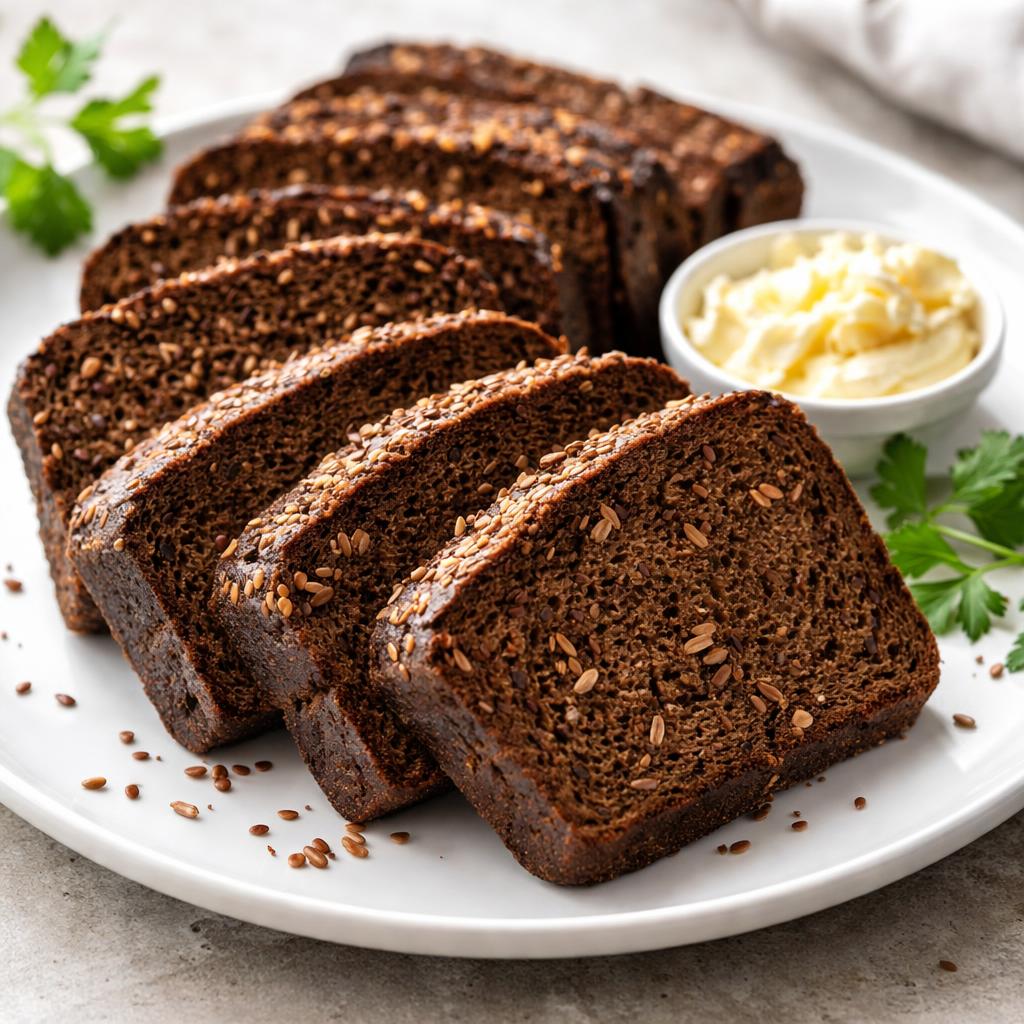
Black Bread
🎯 Quick Verdict
Black bread outshines breadsticks in protein and fiber content, making it a more nutrient-dense choice. Breadsticks are less nutritious but may serve as a lighter, snack-oriented option, depending on the diet context. Black bread is better suited for heart health and digestion-focused diets, while breadsticks may fit short-term energy needs.

Smart Nutrition Tracking with SnapCalorie

📊 Nutritional Comparison
Macronutrients
| Nutrient | Food 1 | Food 2 | Winner |
|---|---|---|---|
| Calories | 150 | 150 | − |
| Protein | 5g | 8g | − |
| Carbs | 22g | 30g | − |
| Fat | 5g | 2g | − |
| Fiber | 1g | 4g | − |
Vitamins & Minerals
| Nutrient | Food 1 | Food 2 | Winner |
|---|---|---|---|
| Vitamin B6 | 0.05mg | 0.1mg | − |
| Calcium | 20mg | 30mg | − |
| Iron | 0.6mg | 2.5mg | − |
🏆 Category Winners
Protein
Black bread offers 60% more protein compared to breadsticks.
Fiber
Black bread contains four times as much fiber as breadsticks.
Calories
Both foods have 150 calories per serving.
Vitamins
Black bread provides slightly higher amounts of Vitamin B6, calcium, and iron.
🥗 Diet Compatibility
Keto
Food 1: Not Compatible
Food 2: Not Compatible
Both foods are high in carbs and not suitable for keto diets.
Vegan
Food 1: Compatible
Food 2: Compatible
Both breadsticks and black bread are plant-based and fit a vegan diet.
Gluten Free
Food 1: Not Compatible
Food 2: Not Compatible
Both foods contain gluten unless made with gluten-free flour.
Paleo
Food 1: Not Compatible
Food 2: Not Compatible
Neither breadsticks nor black bread fit paleo diets as grain-based foods.
Low-Carb
Food 1: Not Compatible
Food 2: Not Compatible
Both foods have moderate to high carb content, making them unsuitable for low-carb diets.
💪 Health Benefits Comparison
Food 1 Benefits
- Provides quick energy from carbohydrates
- Lower fat content compared to buttery snack options
- Can serve as a light snack for weight management
Food 2 Benefits
- Rich in fiber for improved digestion and satiety
- Provides higher protein for muscle maintenance
- Contains iron and calcium for bone health and oxygen transport
✅ The Bottom Line
Choose black bread for nutrient density, digestion support, and more protein, especially in balanced meals. Opt for breadsticks as a lower-fiber snack with slightly lower fat, ideal for quick energy or light eating.
Choose Food 1 for: Light snacks, quick energy, paired with dips
Choose Food 2 for: Balanced meals, heart health, digestion-focused diets


