Bread With Spread VS Whole-Grain Bread
A detailed nutritional comparison

Bread With Spread
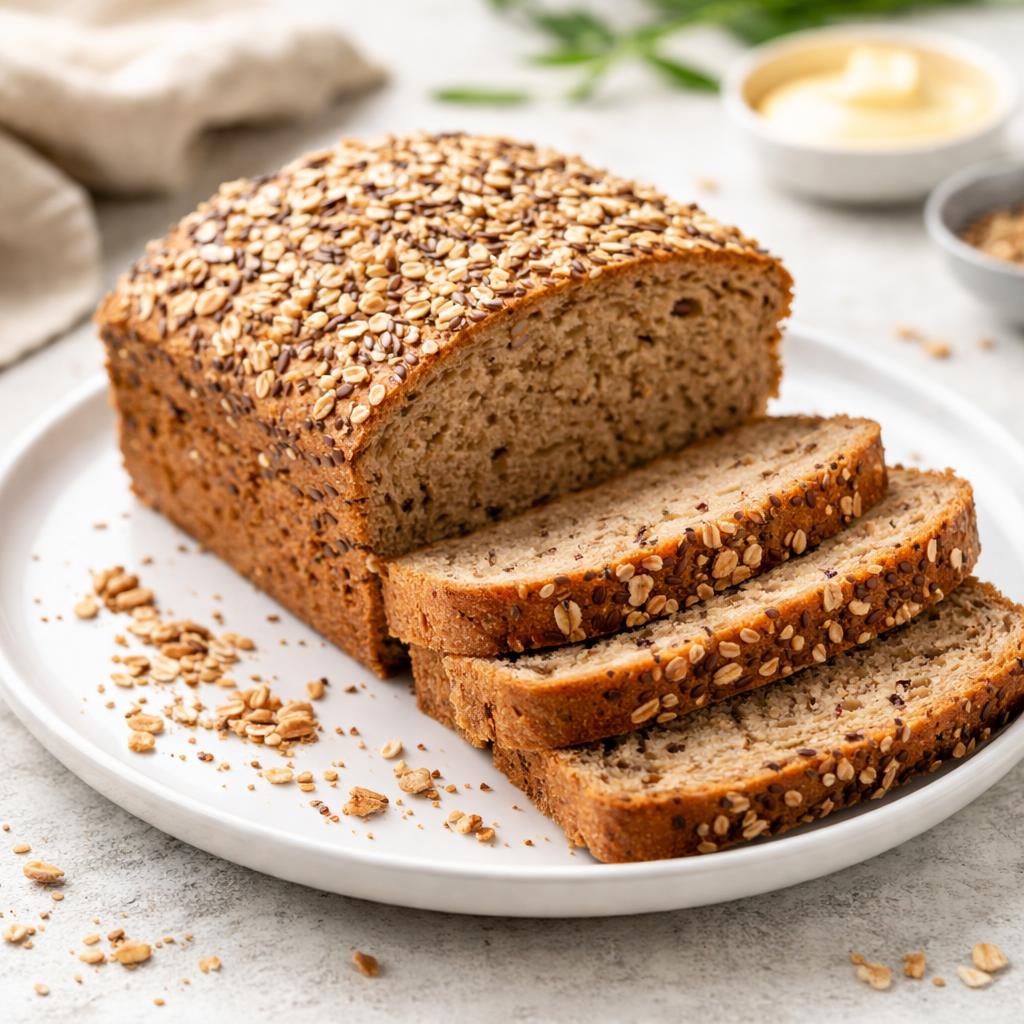
Whole-Grain Bread
🎯 Quick Verdict
Whole-grain bread is nutritionally superior to bread with spread due to higher fiber content and fewer added calories from fats found in spreads. Bread with spread is better suited for quick energy due to higher calories and fats, while whole-grain bread is ideal for long-term health and weight management goals.

Smart Nutrition Tracking with SnapCalorie

📊 Nutritional Comparison
Macronutrients
| Nutrient | Food 1 | Food 2 | Winner |
|---|---|---|---|
| Calories | 200 | 160 | ✓ |
| Protein | 6g | 6g | − |
| Carbs | 24g | 22g | ✓ |
| Fat | 8g | 3g | ✓ |
| Fiber | 2g | 4g | ✓ |
Vitamins & Minerals
| Nutrient | Food 1 | Food 2 | Winner |
|---|---|---|---|
| Vitamin D | 0mcg | 0mcg | − |
| Calcium | 70mg | 30mg | ✓ |
| Iron | 1.8mg | 2.6mg | ✓ |
🏆 Category Winners
Protein
Both foods have an equal amount of protein per serving.
Fiber
Whole-grain bread has double the fiber content, promoting better digestion.
Calories
Whole-grain bread has fewer calories due to the absence of added spreads or fats.
🥗 Diet Compatibility
Keto
Food 1: Not Compatible
Food 2: Not Compatible
Both foods are high in carbs.
Vegan
Food 1: Depends on the spread
Food 2: Compatible
Whole-grain bread is plant-based; bread with spread depends on the type of spread (e.g., butter vs. vegan-friendly options).
Gluten Free
Food 1: Not Compatible
Food 2: Not Compatible
Both contain gluten unless made with gluten-free ingredients.
Paleo
Food 1: Not Compatible
Food 2: Not Compatible
Bread products are not considered paleo due to grain content.
Low-Carb
Food 1: Not Compatible
Food 2: Not Compatible
Both foods are relatively high in carbohydrates.
💪 Health Benefits Comparison
Food 1 Benefits
- Quick source of energy due to added fats and carbs
- Provides calcium for bone health (if enriched bread is used)
- Versatile and adaptable to various spreads such as nut butters or avocado
Food 2 Benefits
- High in fiber for improved digestive health
- Lower calorie content for weight management
- Rich in iron for improved oxygen transport in the body
✅ The Bottom Line
Bread with spread provides a more calorie-dense option that's good for quick energy and taste, while whole-grain bread is nutrient-dense, higher in fiber, and ideal for long-term health. Consider food1 for indulgence or high-energy needs, and food2 for a nutritious everyday staple.
Choose Food 1 for: Quick energy, snacking, indulgence
Choose Food 2 for: Weight management, digestion support, nutrient-rich diets


