Bread With Cream Cheese VS Turkish Bread
A detailed nutritional comparison

Bread With Cream Cheese
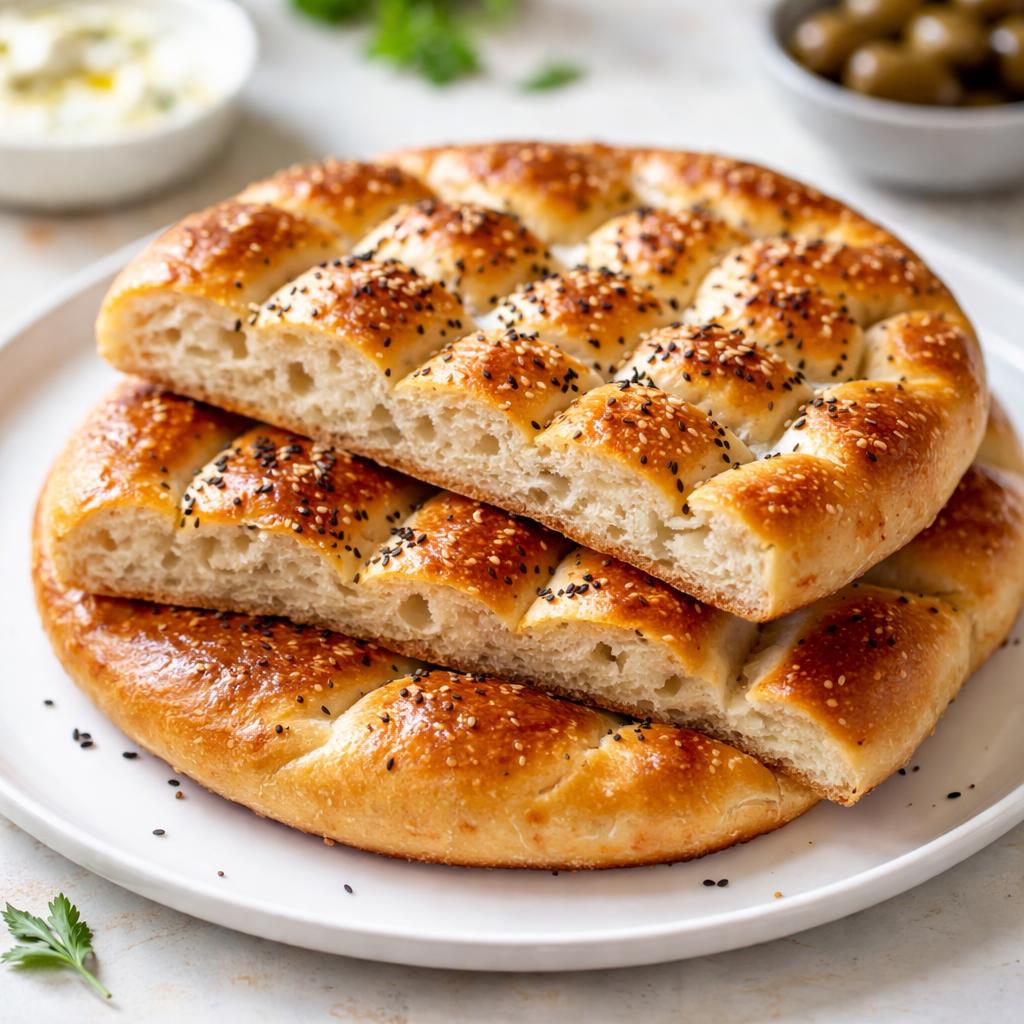
Turkish Bread
🎯 Quick Verdict
Bread with cream cheese has more protein and fat per serving, making it better for muscle repair and satiety, while Turkish bread offers more fiber and fewer calories, ideal for energy and digestion. Bread with cream cheese is a richer option, suitable for indulgent meals, while Turkish bread is a light and versatile base for various dishes.

Smart Nutrition Tracking with SnapCalorie

📊 Nutritional Comparison
Macronutrients
| Nutrient | Food 1 | Food 2 | Winner |
|---|---|---|---|
| Calories | 250 | 220 | ✓ |
| Protein | 10g | 8g | ✓ |
| Carbs | 30g | 35g | ✓ |
| Fat | 10g | 2g | ✓ |
| Fiber | 2g | 3g | ✓ |
Vitamins & Minerals
| Nutrient | Food 1 | Food 2 | Winner |
|---|---|---|---|
| Vitamin D | 1mcg | 0mcg | ✓ |
| Calcium | 50mg | 25mg | ✓ |
| Iron | 0.5mg | 1mg | ✓ |
🏆 Category Winners
Protein
Bread with cream cheese offers 25% more protein per serving due to the cream cheese.
Fiber
Turkish bread provides 50% more fiber, aiding digestion.
Calories
Turkish bread has about 10% fewer calories per serving.
🥗 Diet Compatibility
Keto
Food 1: Not Compatible
Food 2: Not Compatible
Both are high-carb foods.
Vegan
Food 1: Not Compatible
Food 2: Compatible
Cream cheese excludes food1 from vegan diets.
Gluten Free
Food 1: Not Compatible
Food 2: Not Compatible
Both contain gluten.
Paleo
Food 1: Not Compatible
Food 2: Not Compatible
Neither fits the Paleo diet as they are grain-based.
Low Carb
Food 1: Not Compatible
Food 2: Not Compatible
Both foods have over 30g carbs per serving.
💪 Health Benefits Comparison
Food 1 Benefits
- Good source of protein for muscle repair
- Provides calcium for bone health
- Offers moderate fat for prolonged satiety
Food 2 Benefits
- Higher fiber for improved digestion
- Lower calorie alternative for weight management
- Provides sustained energy with complex carbs
✅ The Bottom Line
Bread with cream cheese is best suited for protein-rich or indulgent meals, while Turkish bread is a lighter choice perfect for serving with dips or as a side. Each food has its own niche depending on dietary goals and meal types.
Choose Food 1 for: Post-workout recovery, high-protein breakfasts, rich snacks
Choose Food 2 for: Light meals, digestion-friendly options, lower-calorie meals


