Bread With Butter VS Spicy Rice
A detailed nutritional comparison

Bread With Butter
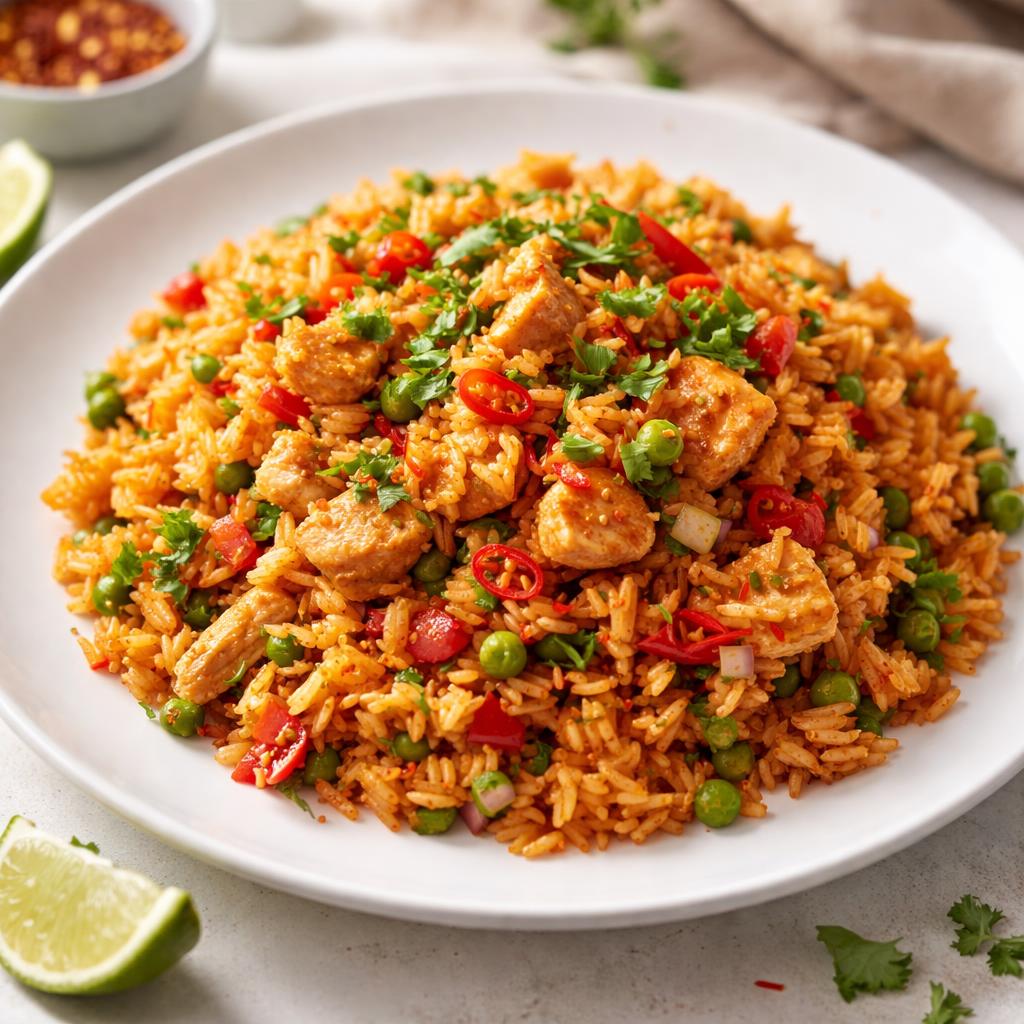
Spicy Rice
🎯 Quick Verdict
Spicy rice is richer in nutrients like protein and fiber, making it better for sustained energy and overall nutrient density. Bread with butter, while lower in calories, is higher in fats and not as nutrient-dense, better suited for quick energy and indulgence rather than dietary optimization.

Smart Nutrition Tracking with SnapCalorie

📊 Nutritional Comparison
Macronutrients
| Nutrient | Food 1 | Food 2 | Winner |
|---|---|---|---|
| Calories | 250 | 315 | ✓ |
| Protein | 4g | 7g | ✓ |
| Carbs | 30g | 45g | ✓ |
| Fat | 12g | 8g | ✓ |
| Fiber | 1g | 5g | ✓ |
Vitamins & Minerals
| Nutrient | Food 1 | Food 2 | Winner |
|---|---|---|---|
| Vitamin A | 200IU | 300IU | ✓ |
| Vitamin C | 0mg | 8mg | ✓ |
| Calcium | 15mg | 10mg | ✓ |
| Iron | 1mg | 3mg | ✓ |
🏆 Category Winners
Protein
Spicy rice has nearly 75% more protein compared to bread with butter.
Fiber
Spicy rice contains five times more fiber than bread with butter.
Calories
Bread with butter is roughly 20% lower in calories per serving.
🥗 Diet Compatibility
Keto
Food 1: Not Compatible
Food 2: Not Compatible
Both are relatively high-carb foods.
Vegan
Food 1: Not Compatible
Food 2: Compatible
Bread with butter includes dairy products, while spicy rice is animal-product-free.
Gluten Free
Food 1: Not Compatible
Food 2: Compatible
Bread with butter contains gluten, but properly prepared spicy rice does not.
Paleo
Food 1: Not Compatible
Food 2: Not Compatible
Neither adheres to paleo guidelines due to grains.
Low Carb
Food 1: Not Compatible
Food 2: Not Compatible
Both foods are too carb-heavy to fall under low-carb dietary restrictions.
💪 Health Benefits Comparison
Food 1 Benefits
- Quick energy due to high carb content
- Source of fats for satiety
- Contains some calcium for bone health
Food 2 Benefits
- Rich in fiber for digestive support
- Provides more protein for muscle repair
- Contains Vitamin C for immune system benefits
- Includes iron for better oxygen transport in the body
✅ The Bottom Line
Spicy rice is a more well-rounded option for nutrient density, with higher protein and fiber. Bread with butter can be used sparingly as a source of calories and fats when quick energy is needed but lacks nutritional depth.
Choose Food 1 for: Quick snacks, high-calorie indulgences, occasional use
Choose Food 2 for: Main meals requiring sustained energy, muscle repair, and nutrient density


