Bread With Butter VS Spanish Rice
A detailed nutritional comparison
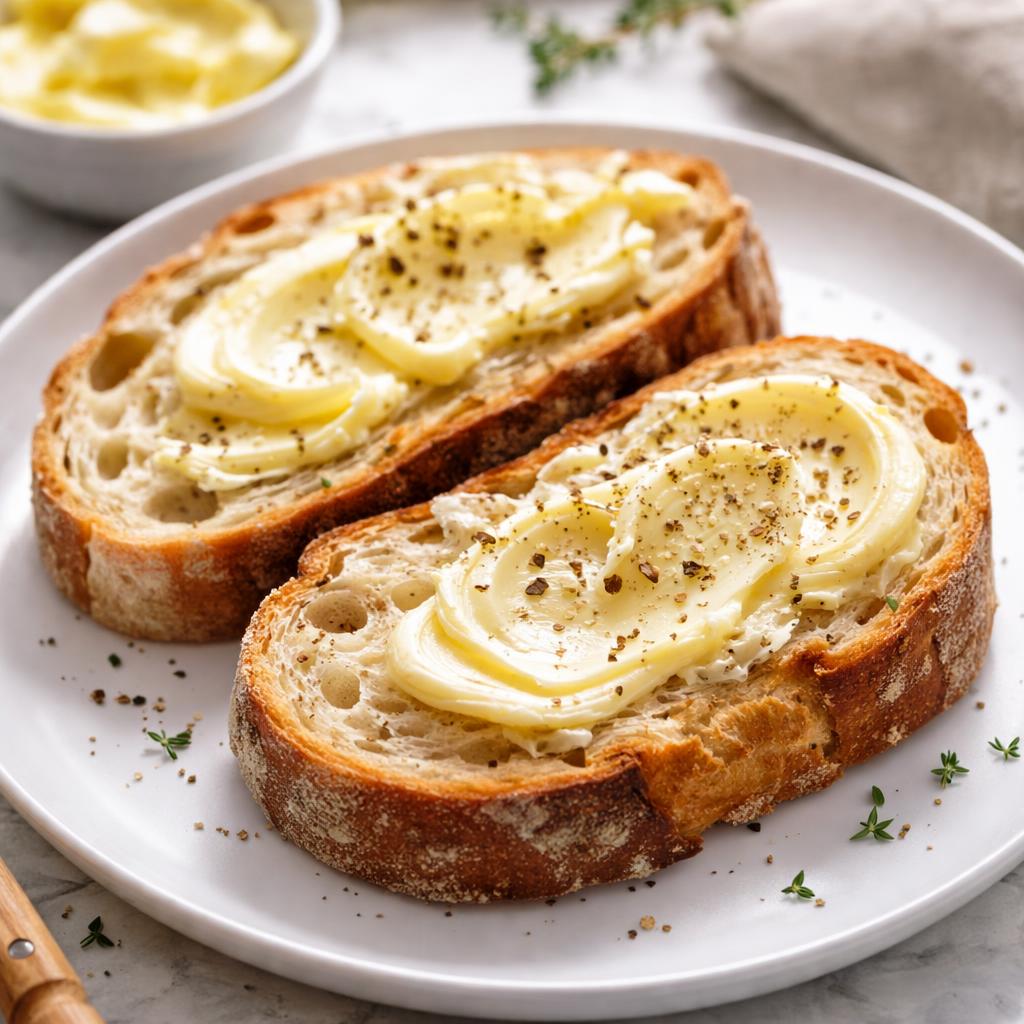
Bread With Butter
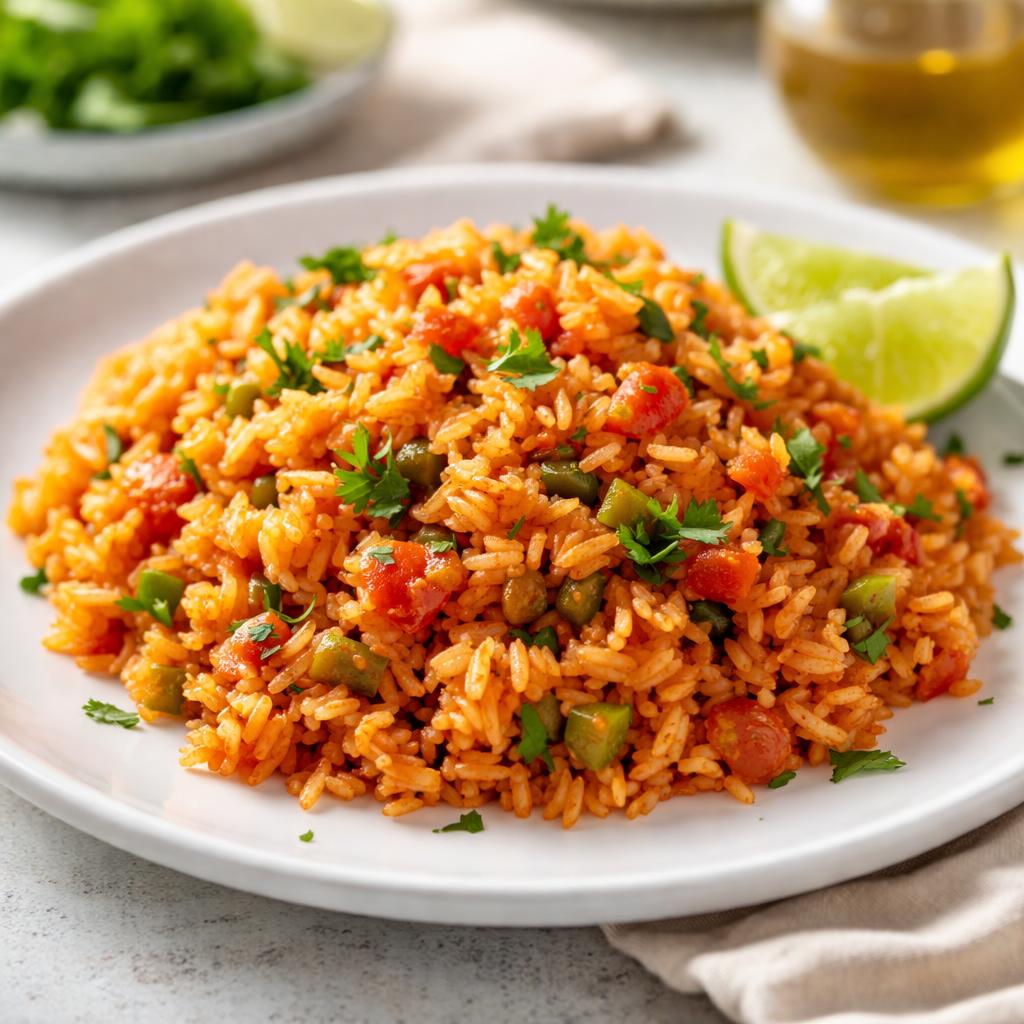
Spanish Rice
🎯 Quick Verdict
Bread with butter is higher in protein and fat but lacks fiber, making it more suitable for those seeking quick energy or muscle maintenance. Spanish rice provides more fiber and fewer calories while also offering sustained energy from its complex carbohydrates. Spanish rice may appeal more for balanced meals or healthier dietary goals, especially for weight control or digestion support.

Smart Nutrition Tracking with SnapCalorie

📊 Nutritional Comparison
Macronutrients
| Nutrient | Food 1 | Food 2 | Winner |
|---|---|---|---|
| Calories | 210 | 160 | ✓ |
| Protein | 5g | 3g | ✓ |
| Carbs | 25g | 33g | ✓ |
| Fat | 10g | 3g | ✓ |
| Fiber | 1g | 2.5g | ✓ |
Vitamins & Minerals
| Nutrient | Food 1 | Food 2 | Winner |
|---|---|---|---|
| Vitamin D | 0.2mcg | 0mcg | ✓ |
| Calcium | 50mg | 10mg | ✓ |
| Iron | 1mg | 1.5mg | ✓ |
🏆 Category Winners
Protein
Bread with butter contains 66% more protein per serving.
Fiber
Spanish rice has 2.5 times the fiber content, aiding digestion.
Calories
Spanish rice has 24% fewer calories per serving.
Vitamins
Both foods provide moderate amounts of key vitamins but differ slightly in composition (food1 higher in calcium, food2 higher in iron).
🥗 Diet Compatibility
Keto
Food 1: Not Compatible
Food 2: Not Compatible
Both foods are high in carbohydrates.
Vegan
Food 1: Not Compatible
Food 2: Compatible
Bread with butter contains dairy, whereas Spanish rice is plant-based.
Gluten Free
Food 1: Not Compatible
Food 2: Compatible
Bread contains gluten, while Spanish rice is gluten-free.
Paleo
Food 1: Not Compatible
Food 2: Compatible
Spanish rice aligns with paleo if prepared without beans or processed oils.
Low Carb
Food 1: Not Compatible
Food 2: Not Compatible
Both options are carbohydrate-heavy, exceeding low-carb diet thresholds.
💪 Health Benefits Comparison
Food 1 Benefits
- Contains healthy fats for energy and satiety
- Provides calcium for strong bones and teeth
- Offers quick energy from carbohydrates
Food 2 Benefits
- Good source of fiber to support healthy digestion
- Lower in fat for heart-friendly meals
- Complex carbohydrates provide sustained energy
✅ The Bottom Line
Choose bread with butter for quick protein and fat-based energy, such as post-workout or when craving a savory snack. Opt for Spanish rice as part of a balanced meal to support digestion, weight control, and longer-lasting energy. Dietary preferences (vegan, gluten-free) may also favor Spanish rice.
Choose Food 1 for: Quick energy, muscle maintenance, indulgent snacks
Choose Food 2 for: Balanced meals, fiber intake, weight control


