Bread With Butter VS Shortbread Cookies
A detailed nutritional comparison
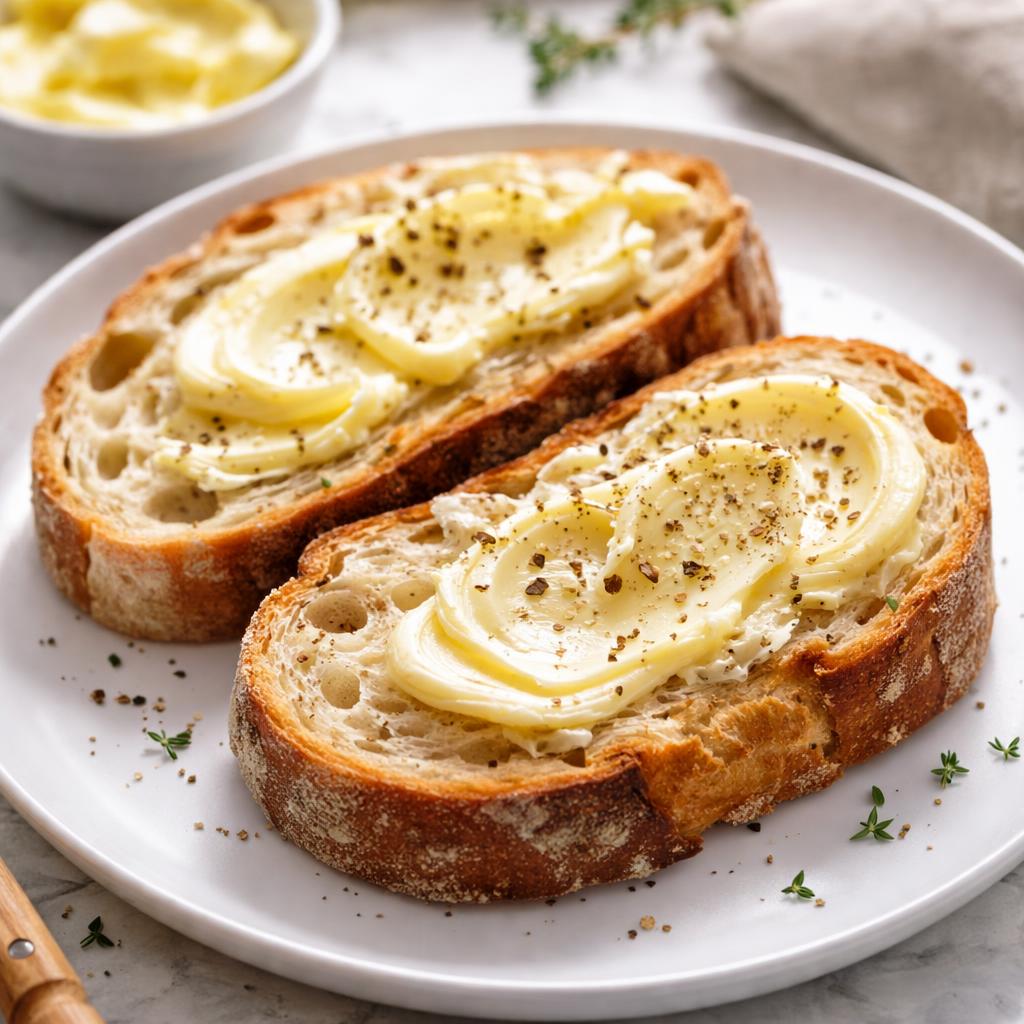
Bread With Butter
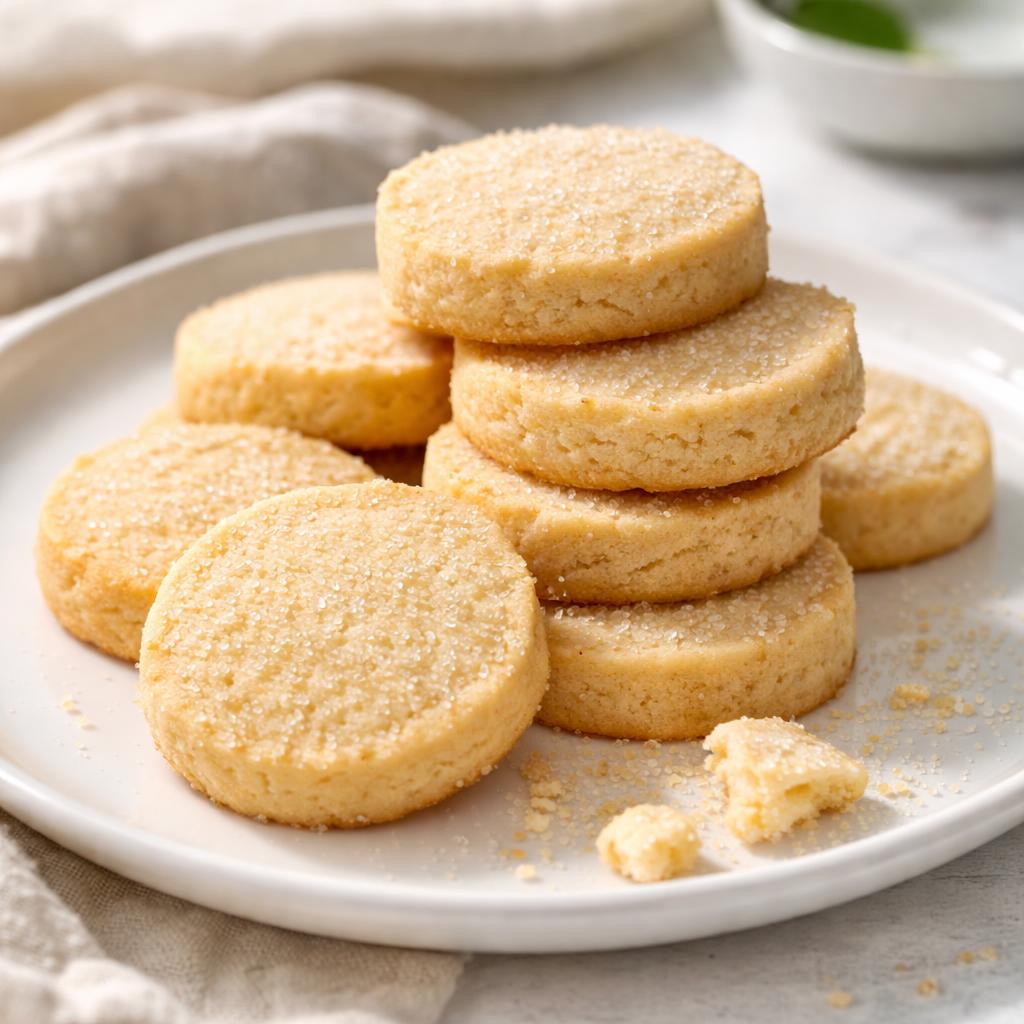
Shortbread Cookies
🎯 Quick Verdict
Bread with butter is overall lighter in calories and slightly higher in protein, making it a better choice for those seeking a more balanced snack. Shortbread cookies, while tasty, are higher in fat and sugar, suitable for indulgence but less nutrient-dense. Bread with butter aligns better with weight-conscious diets, while cookies cater more to energy-dense dessert needs.

Smart Nutrition Tracking with SnapCalorie

📊 Nutritional Comparison
Macronutrients
| Nutrient | Food 1 | Food 2 | Winner |
|---|---|---|---|
| Calories | 200 | 250 | ✓ |
| Protein | 4g | 2g | ✓ |
| Carbs | 20g | 30g | ✓ |
| Fat | 10g | 12g | ✓ |
| Fiber | 1g | 1g | − |
Vitamins & Minerals
| Nutrient | Food 1 | Food 2 | Winner |
|---|---|---|---|
| Vitamin A | 90mcg | 75mcg | ✓ |
| Calcium | 45mg | 10mg | ✓ |
| Iron | 0.7mg | 0.3mg | ✓ |
🏆 Category Winners
Protein
Bread with butter has twice the protein content compared to shortbread cookies.
Fiber
Both foods provide 1g of dietary fiber per serving.
Calories
Bread with butter contains 20% fewer calories per serving than shortbread cookies.
Vitamins
Bread with butter is slightly better in providing Vitamin A and Calcium for bone health.
🥗 Diet Compatibility
Keto
Food 1: Not Compatible
Food 2: Not Compatible
Both are high-carb snacks.
Vegan
Food 1: Not Compatible
Food 2: Not Compatible
Butter in food1 and dairy in cookies make them unsuitable for vegan diets.
Gluten Free
Food 1: Not Compatible
Food 2: Not Compatible
Both contain wheat-based ingredients.
Paleo
Food 1: Not Compatible
Food 2: Not Compatible
Grains and refined sugars are not paleo-friendly.
Low-Carb
Food 1: Not Compatible
Food 2: Not Compatible
Both foods contain over 20g of carbs per serving.
💪 Health Benefits Comparison
Food 1 Benefits
- Provides moderate protein for satiety
- Contains healthy fats from butter
- Includes essential nutrients like Calcium and Vitamin A
Food 2 Benefits
- Quick energy boost from carbs and sugar
- Rich in flavor and satisfaction as a dessert
- Contains some Vitamin A from butter used in preparation
✅ The Bottom Line
Bread with butter edges out shortbread cookies for nutritional balance and calorie-conscious diets. However, shortbread cookies excel as an indulgent treat when energy density or dessert satisfaction is the priority.
Choose Food 1 for: Balanced nutrition, quick snacks, calorie-focused diets
Choose Food 2 for: Desserts, energy boost, occasional indulgence


