Bread With Butter VS Protein Bread
A detailed nutritional comparison

Bread With Butter
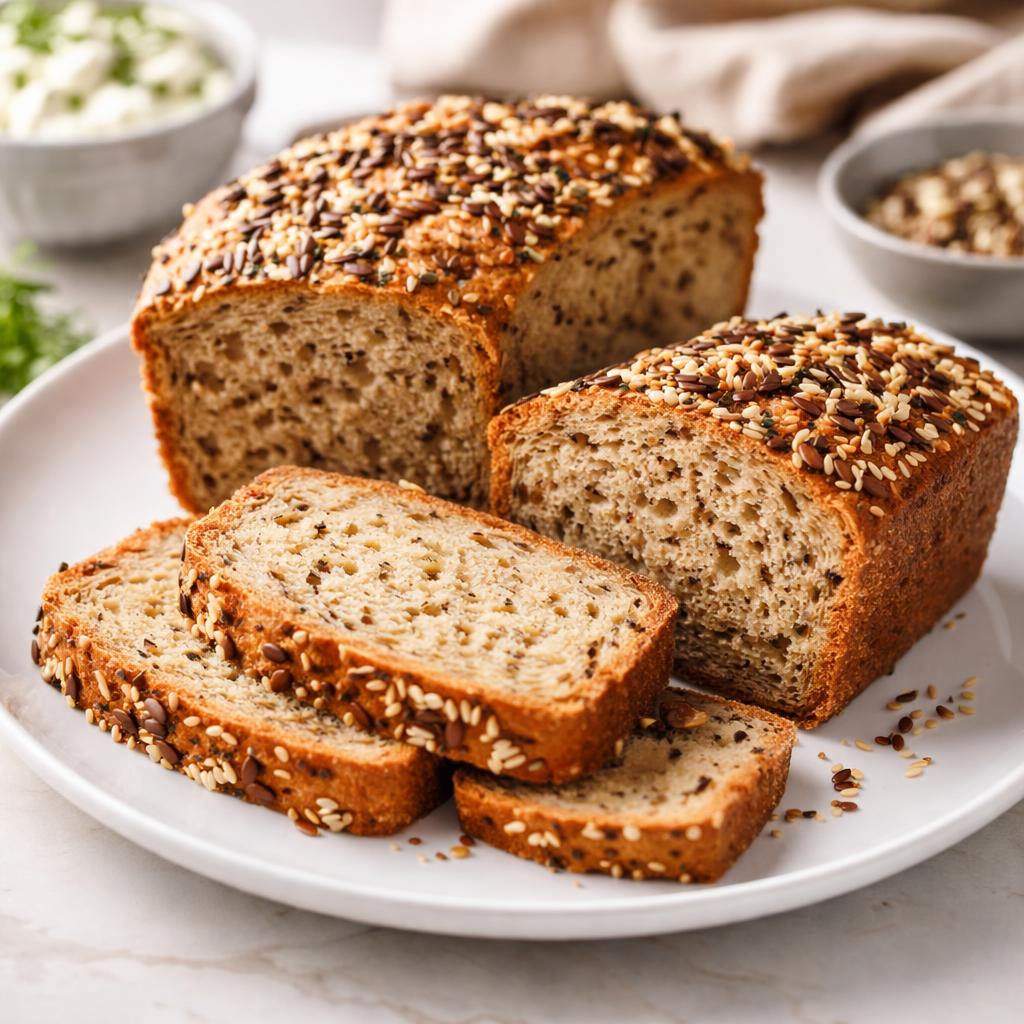
Protein Bread
🎯 Quick Verdict
Protein bread outperforms bread with butter in most nutritional categories due to its higher protein, fiber, and lower calorie content. Bread with butter, while richer in fats and calories, might suit individuals looking for energy-dense food options with a creamy texture. Protein bread is better suited for high-protein diets, weight loss, and overall balanced nutrition goals.

Smart Nutrition Tracking with SnapCalorie

📊 Nutritional Comparison
Macronutrients
| Nutrient | Food 1 | Food 2 | Winner |
|---|---|---|---|
| Calories | 200 | 140 | ✓ |
| Protein | 4g | 12g | ✓ |
| Carbs | 22g | 8g | ✓ |
| Fat | 10g | 3g | ✓ |
| Fiber | 1g | 6g | ✓ |
Vitamins & Minerals
| Nutrient | Food 1 | Food 2 | Winner |
|---|---|---|---|
| Vitamin D | 0.5mcg (from butter) | 1mcg | ✓ |
| Calcium | 50mg | 100mg | ✓ |
| Iron | 1mg | 2mg | ✓ |
🏆 Category Winners
Protein
Protein bread is triple the protein content compared to bread with butter.
Fiber
Protein bread provides six times the fiber content.
Calories
Protein bread has 30% fewer calories than bread with butter.
Vitamins
Protein bread contains more Vitamin D, calcium, and iron overall.
🥗 Diet Compatibility
Keto
Food 1: Not Compatible
Food 2: Partially Compatible
Protein bread is lower in carbs (8g per slice) but not low enough for strict keto.
Vegan
Food 1: Not Compatible
Food 2: Partially Compatible
Bread with butter includes dairy; protein bread may vary depending on the recipe (check for vegan versions).
Gluten Free
Food 1: Not Compatible
Food 2: Not Compatible
Both contain gluten unless explicitly stated otherwise.
Paleo
Food 1: Not Compatible
Food 2: Not Compatible
Neither aligns with paleo due to processed ingredients.
Low Carb
Food 1: Not Compatible
Food 2: Compatible
Protein bread is low-carb with only 8g of carbs per slice.
💪 Health Benefits Comparison
Food 1 Benefits
- Provides quick energy from fats and carbs
- Contains Vitamin D from butter for bone health
- Good choice for energy-rich meals for high caloric needs
Food 2 Benefits
- High protein content supports muscle maintenance and growth
- Rich in fiber for improved digestion and gut health
- Lower in calories, beneficial for weight management
- Enhanced calcium and iron content for bone and blood health
✅ The Bottom Line
Choose protein bread for weight loss, higher protein intake, and balanced nutrition goals. Bread with butter is energy-dense and better suited for high-caloric needs or indulgent meals. Ultimately, protein bread delivers a more nutrient-packed option for daily consumption.
Choose Food 1 for: High-calorie diets, quick energy, indulgent meals
Choose Food 2 for: Weight loss, high-protein diets, gut health, balanced nutrition


