Bread With Butter VS French Bread
A detailed nutritional comparison
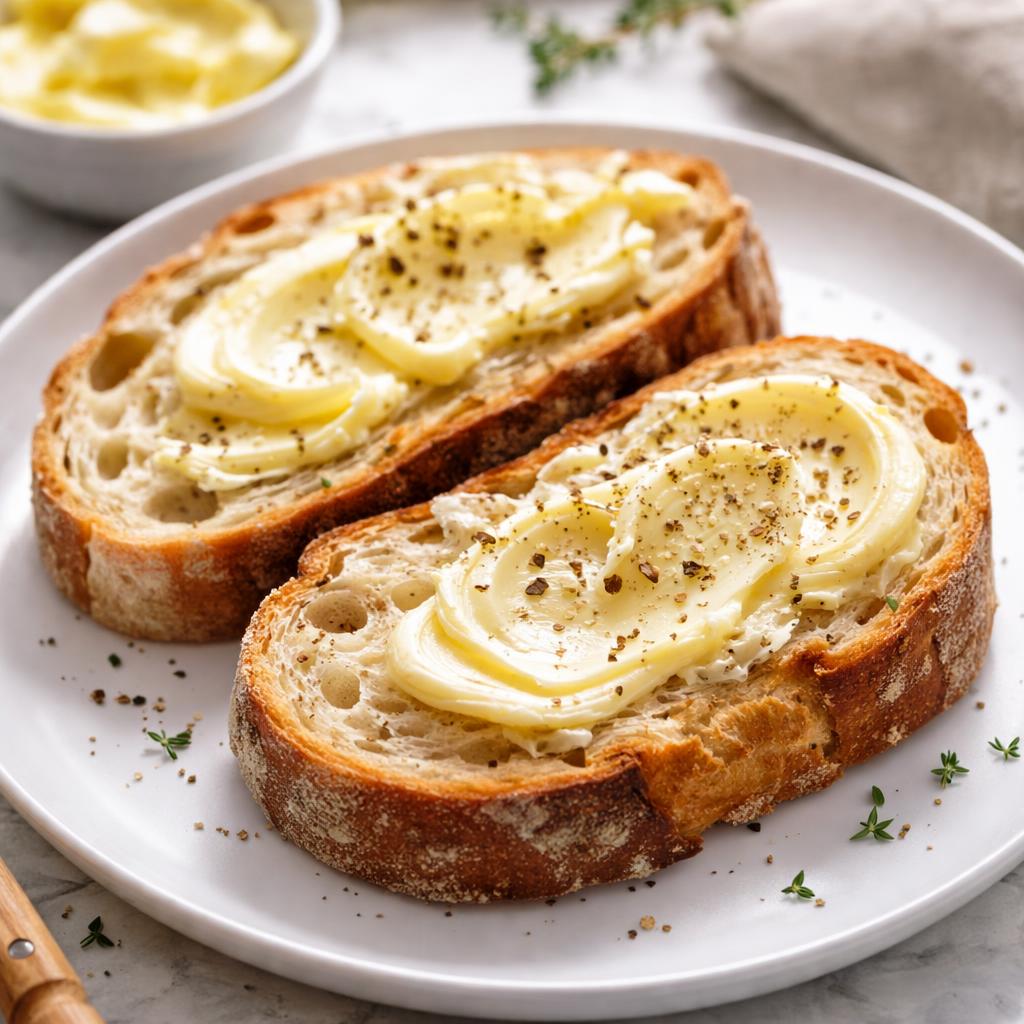
Bread With Butter

French Bread
🎯 Quick Verdict
Bread with butter tends to be higher in calories, fat, and vitamins like Vitamin A due to the butter content, making it more suitable for high-energy diets. French bread has slightly more protein and fewer calories, ideal for lighter meals or weight management diets, though it lacks added fats or significant micronutrients found in butter.

Smart Nutrition Tracking with SnapCalorie

📊 Nutritional Comparison
Macronutrients
| Nutrient | Food 1 | Food 2 | Winner |
|---|---|---|---|
| Calories | 180 | 150 | ✓ |
| Protein | 4.5g | 5g | ✓ |
| Carbs | 22g | 28g | ✓ |
| Fat | 8g | 0.7g | ✓ |
| Fiber | 1g | 1g | − |
Vitamins & Minerals
| Nutrient | Food 1 | Food 2 | Winner |
|---|---|---|---|
| Vitamin A | 350mcg | 0mcg | ✓ |
| Calcium | 20mg | 15mg | ✓ |
| Iron | 0.8mg | 1mg | ✓ |
🏆 Category Winners
Protein
French bread has more protein compared to bread with butter.
Fiber
Both options provide the same amount of dietary fiber at 1g per serving.
Calories
French bread has 30 fewer calories per serving.
Vitamins
Bread with butter is richer in Vitamin A and calcium due to the butter component.
🥗 Diet Compatibility
Keto
Food 1: Not Compatible
Food 2: Not Compatible
Both foods are high-carb due to bread content.
Vegan
Food 1: Not Compatible
Food 2: Compatible
Butter in food1 makes it non-vegan, whereas French bread is usually vegan.
Gluten Free
Food 1: Not Compatible
Food 2: Not Compatible
Both foods contain gluten from bread.
Paleo
Food 1: Not Compatible
Food 2: Not Compatible
Neither food is paleo-friendly due to processed grain ingredients.
Low Carb
Food 1: Not Compatible
Food 2: Not Compatible
High carbohydrate content makes both foods unsuitable for low-carb diets.
💪 Health Benefits Comparison
Food 1 Benefits
- Provides quick energy from carbs and fats
- Rich in Vitamin A from butter for healthy vision and skin
- Moderate calcium content to support bone health
Food 2 Benefits
- Lower calorie option for weight management
- Higher protein content for muscle support
- Provides iron for maintaining healthy blood
✅ The Bottom Line
Choose bread with butter for a more energy-dense option with richer flavors, especially if additional fat and vitamins like A are needed. Opt for French bread for a lighter meal with fewer calories and slightly more protein, suitable for weight-conscious diets.
Choose Food 1 for: Energy-dense meals, flavor enhancement, vitamin A intake
Choose Food 2 for: Weight management, lighter meals, protein boost


