Bread With Butter VS Bread With Spread
A detailed nutritional comparison

Bread With Butter
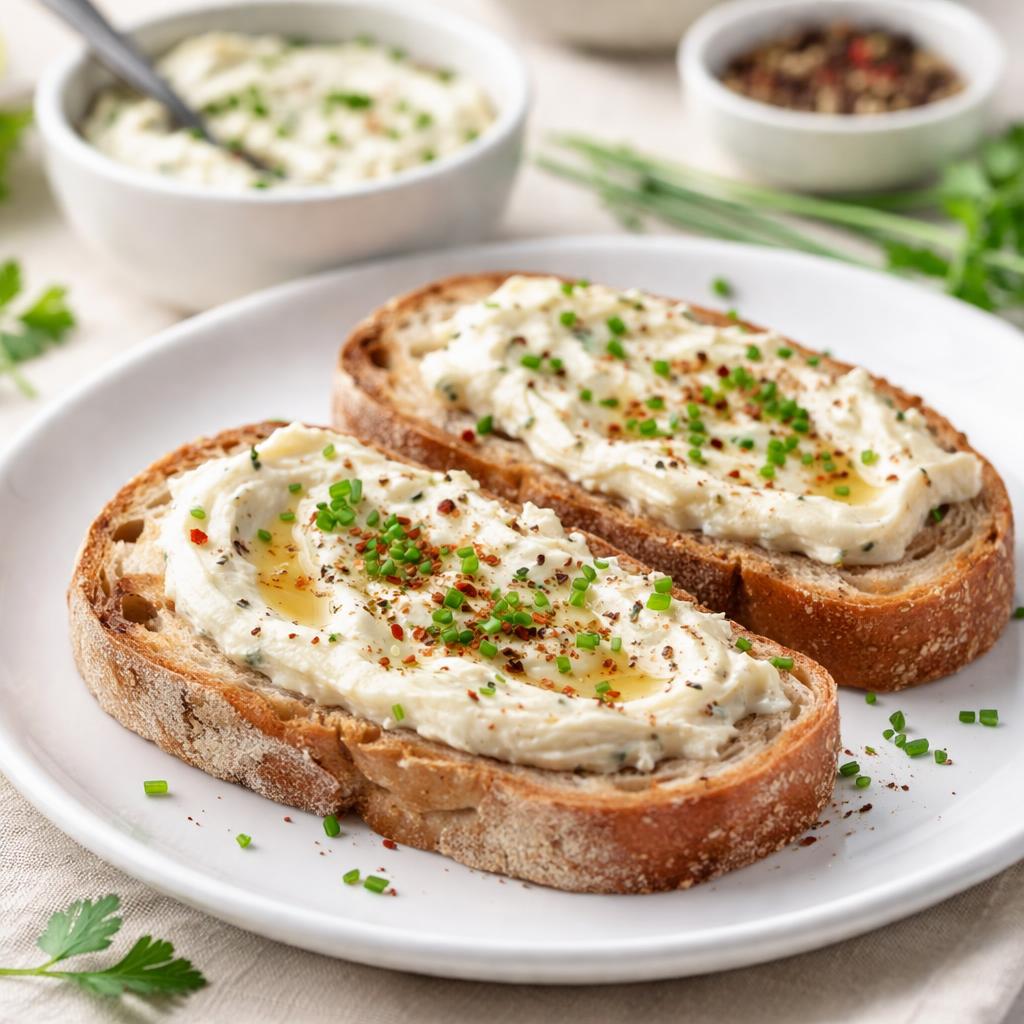
Bread With Spread
🎯 Quick Verdict
Bread with butter is denser in calories and fats, making it a good option for energy-dense meals but lower in fiber. Bread with spread, depending on the type of spread, typically has slightly less fat, more fiber, and added micronutrients. Choose bread with butter for a rich flavor and caloric boost, or bread with spread for higher nutrient density and fiber content.

Smart Nutrition Tracking with SnapCalorie

📊 Nutritional Comparison
Macronutrients
| Nutrient | Food 1 | Food 2 | Winner |
|---|---|---|---|
| Calories | 200 | 180 | ✓ |
| Protein | 4g | 4g | − |
| Carbs | 22g | 24g | ✓ |
| Fat | 10g | 7g | ✓ |
| Fiber | 1g | 2g | ✓ |
Vitamins & Minerals
| Nutrient | Food 1 | Food 2 | Winner |
|---|---|---|---|
| Vitamin A | 15% DV | 5% DV | ✓ |
| Vitamin E | 2% DV | 10% DV | ✓ |
| Folate | 20% DV | 30% DV | ✓ |
🏆 Category Winners
Protein
Both options provide equal protein content at 4g per serving.
Fiber
Food2 (bread with spread) contains twice the fiber compared to food1.
Calories
Food2 has slightly fewer calories (10% less than food1).
Vitamins
Food2 has higher overall micronutrient density (e.g., folate and vitamin E).
🥗 Diet Compatibility
Keto
Food 1: Not Compatible
Food 2: Not Compatible
Both have high carbohydrate content unsuitable for keto diets.
Vegan
Food 1: Not Compatible
Food 2: Compatible
Butter is not vegan, while plant-based spreads typically are.
Gluten Free
Food 1: Not Compatible
Food 2: Not Compatible
Both use traditional bread containing gluten.
Paleo
Food 1: Not Compatible
Food 2: Not Compatible
Neither food aligns with paleo guidelines due to bread content.
Low Carb
Food 1: Not Compatible
Food 2: Not Compatible
Both foods contain over 20g of carbohydrates per serving.
💪 Health Benefits Comparison
Food 1 Benefits
- Rich in calories for energy-dense meals
- Contains vitamin A for vision and immune support
- Good source of healthy fats from butter
Food 2 Benefits
- Lower in fat and overall calories for lighter meals
- Higher fiber content supports digestive health
- Enhanced micronutrient profile, including folate and vitamin E
✅ The Bottom Line
Bread with butter is better suited for individuals seeking an energy-dense option or craving rich flavor. Bread with spread is a more nutrient-dense and fiber-rich choice, ideal for lighter meals or plant-based diets. Consider the type of spread used (e.g., nut butter or hummus) for additional benefits.
Choose Food 1 for: High-energy meals, flavor enhancement, calorie surplus diets
Choose Food 2 for: Lighter meals, nutrient-rich snacks, vegan or plant-based diets


