Bread VS White Bread Toast
A detailed nutritional comparison
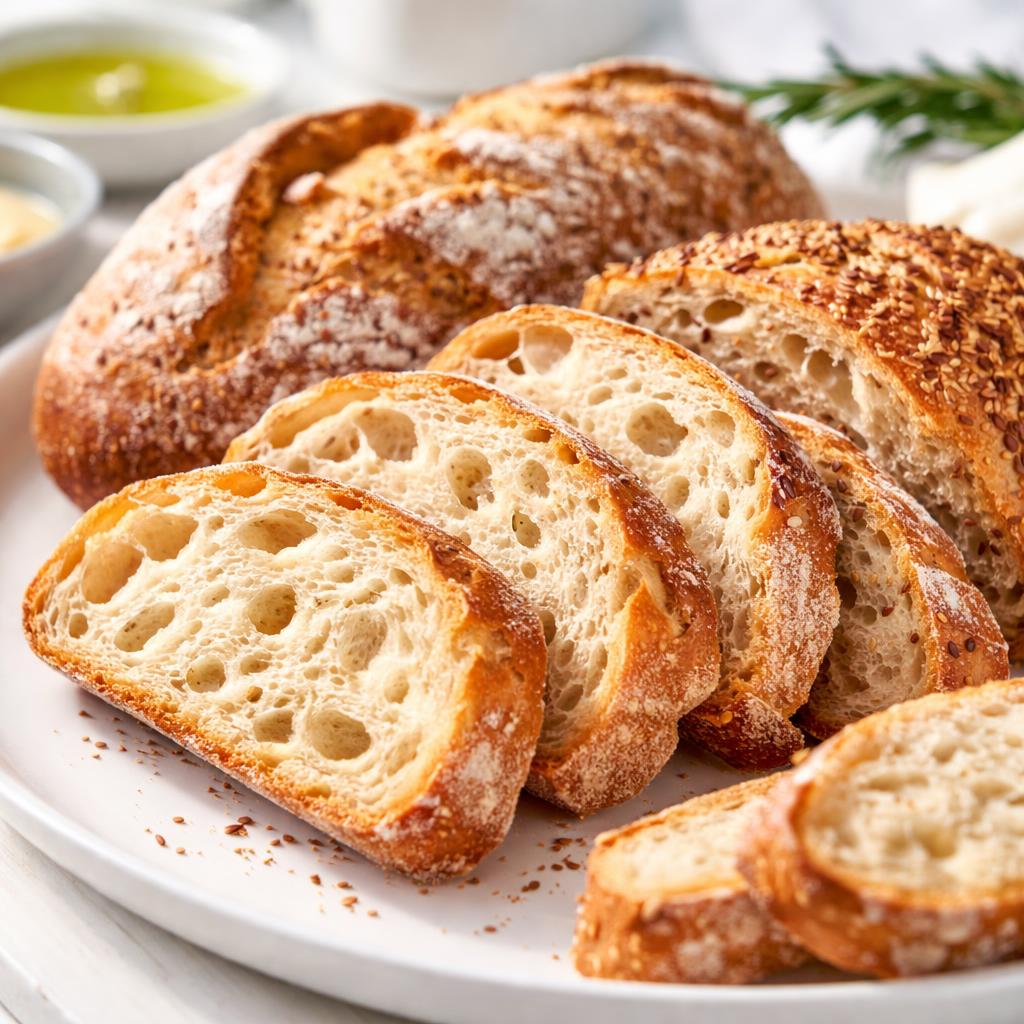
Bread
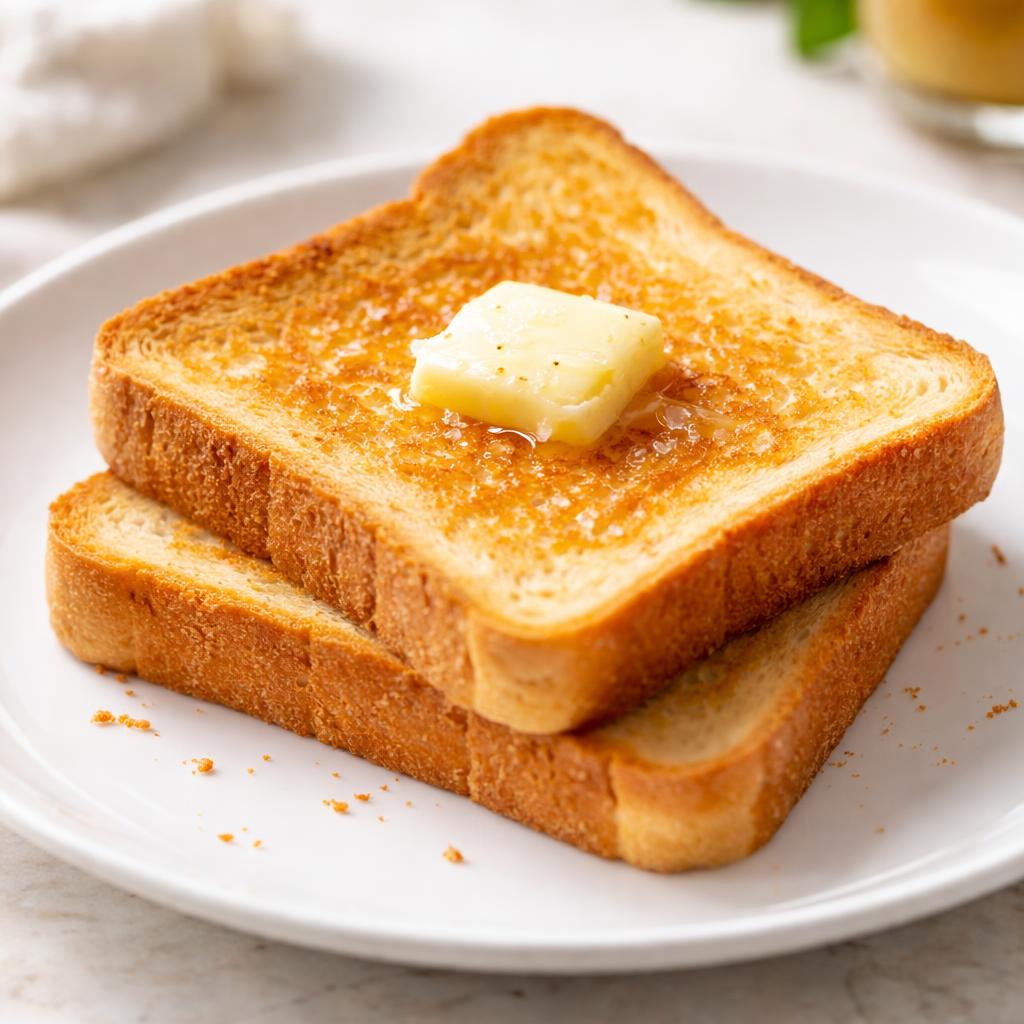
White Bread Toast
🎯 Quick Verdict
Bread and white bread toast are nutritionally similar, but bread edges ahead with slightly higher protein and fiber content while being lower in calories. Toast, however, may appeal for its crisp texture and convenience. Bread is a better choice nutritionally, especially for diets emphasizing fiber and protein, while toast serves as a lighter option for quicker meals or snacks.

Smart Nutrition Tracking with SnapCalorie

📊 Nutritional Comparison
Macronutrients
| Nutrient | Food 1 | Food 2 | Winner |
|---|---|---|---|
| Calories | 75 | 80 | ✓ |
| Protein | 3g | 2.7g | ✓ |
| Carbs | 14g | 15g | ✓ |
| Fat | 0.8g | 0.6g | ✓ |
| Fiber | 1.2g | 0.9g | ✓ |
Vitamins & Minerals
| Nutrient | Food 1 | Food 2 | Winner |
|---|---|---|---|
| Vitamin B1 (Thiamin) | 0.25mg | 0.22mg | ✓ |
| Folate | 30mcg | 25mcg | ✓ |
| Iron | 0.8mg | 0.6mg | ✓ |
🏆 Category Winners
Protein
Bread contains approximately 11% more protein per serving.
Fiber
Bread has 33% more fiber content than white bread toast.
Calories
Bread is slightly lower in calories than white bread toast.
Vitamins
Bread has a marginally higher concentration of vitamins like iron and folate.
🥗 Diet Compatibility
Keto
Food 1: Not Compatible
Food 2: Not Compatible
Both are high-carb foods, unsuitable for keto diets.
Vegan
Food 1: Compatible
Food 2: Compatible
Neither contains animal-derived ingredients.
Gluten Free
Food 1: Not Compatible
Food 2: Not Compatible
Both are made from wheat and contain gluten.
Paleo
Food 1: Not Compatible
Food 2: Not Compatible
Grain-based foods are excluded from paleo diets.
Low Carb
Food 1: Not Compatible
Food 2: Not Compatible
Both exceed typical low-carb limits of ≤5g carbs per serving.
💪 Health Benefits Comparison
Food 1 Benefits
- Higher fiber supports digestive health
- Contains slightly more protein to support muscle repair
- Rich in essential B-vitamins like folate and thiamin
Food 2 Benefits
- Slightly lower fat for reduced calorie content
- Crunchy texture adds appeal and convenience
- Still provides key minerals like iron and folate
✅ The Bottom Line
Bread is the better choice nutritionally due to its higher protein, fiber, and vitamin content while being slightly lower in calories. White bread toast is better suited for quick snacks with added texture and convenience. Bread might be preferable for those seeking more nutrition, while toast works well for lighter, crispy meals.
Choose Food 1 for: Fiber-rich diets, muscle maintenance, balanced meals
Choose Food 2 for: Quick snacks, convenience, low-fat diets


