Bread VS White Bread
A detailed nutritional comparison
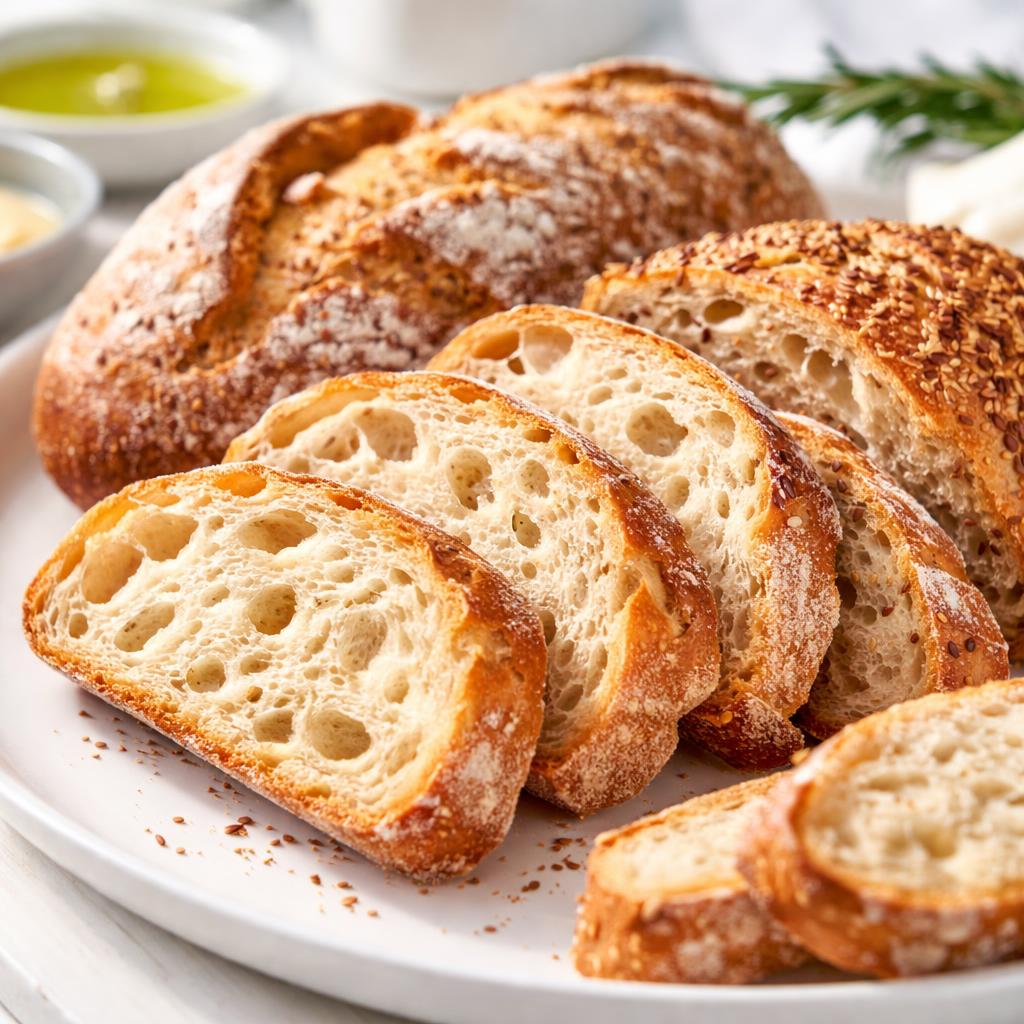
Bread
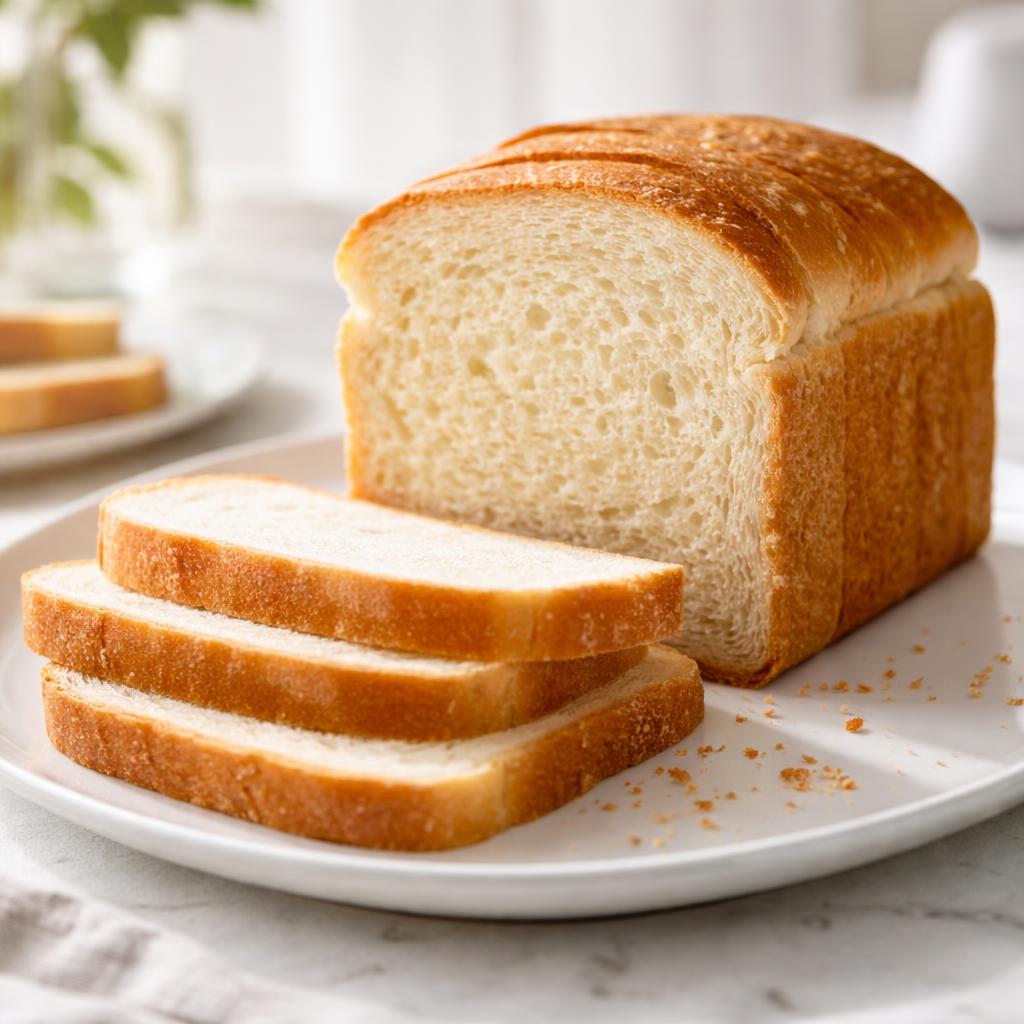
White Bread
🎯 Quick Verdict
Bread (whole-grain) generally offers superior nutrition compared to white bread due to higher fiber (2g vs. 0.6g), more vitamins, and lower caloric density (70 vs. 80 calories per slice). White bread, while less nutrient-rich, may be preferred for its lighter texture and quicker energy supply. Whole-grain bread is ideal for health-focused diets, while white bread suits those needing simpler carbohydrates for immediate energy.

Smart Nutrition Tracking with SnapCalorie

📊 Nutritional Comparison
Macronutrients
| Nutrient | Food 1 | Food 2 | Winner |
|---|---|---|---|
| Calories | 70 | 80 | ✓ |
| Protein | 2.6g | 2.5g | − |
| Carbs | 12g | 15g | ✓ |
| Fat | 0.8g | 0.6g | ✓ |
| Fiber | 2g | 0.6g | ✓ |
Vitamins & Minerals
| Nutrient | Food 1 | Food 2 | Winner |
|---|---|---|---|
| Vitamin B6 | 0.1mg | 0.02mg | ✓ |
| Iron | 1mg | 0.9mg | ✓ |
| Folate | 10mcg | 25mcg | ✓ |
🏆 Category Winners
Protein
Both provide very similar amounts of protein per serving.
Fiber
Bread provides over triple the fiber (2g vs. 0.6g).
Calories
Bread has approximately 12% fewer calories per slice.
Vitamins
Bread has higher vitamin B6 and iron but slightly less folate than white bread.
🥗 Diet Compatibility
Keto
Food 1: Not Compatible
Food 2: Not Compatible
Both are high in carbohydrates, making them unsuitable for a keto diet.
Vegan
Food 1: Compatible
Food 2: Compatible
Neither contains animal-based products.
Gluten Free
Food 1: Not Compatible
Food 2: Not Compatible
Both are made from wheat, which contains gluten.
Paleo
Food 1: Not Compatible
Food 2: Not Compatible
Bread and white bread are not allowed on paleo due to grains and processing.
Low Carb
Food 1: Not Compatible
Food 2: Not Compatible
Neither food is low in carbohydrates.
💪 Health Benefits Comparison
Food 1 Benefits
- High fiber supports digestive health
- Provides sustained energy due to complex carbohydrates
- Rich in vitamins like B6 for metabolism
- Better for heart health due to lower glycemic index
Food 2 Benefits
- Quick energy from simple carbohydrates
- Easier to digest for individuals with sensitive stomachs
- Fortified with folate, beneficial for cell health
- Light texture and taste, appealing for picky eaters
✅ The Bottom Line
Whole-grain bread is the healthier choice due to its higher fiber, vitamin content, and lower glycemic impact. However, white bread might be preferred in situations requiring quick digestion and energy, such as pre-workout snacks. Choose whole-grain bread for general nutrition and white bread for short-term energy needs.
Choose Food 1 for: Health-conscious diets, digestive health, sustained energy
Choose Food 2 for: Quick energy, lighter meals, simplicity in texture


