Bread VS Veggie Burger
A detailed nutritional comparison

Bread
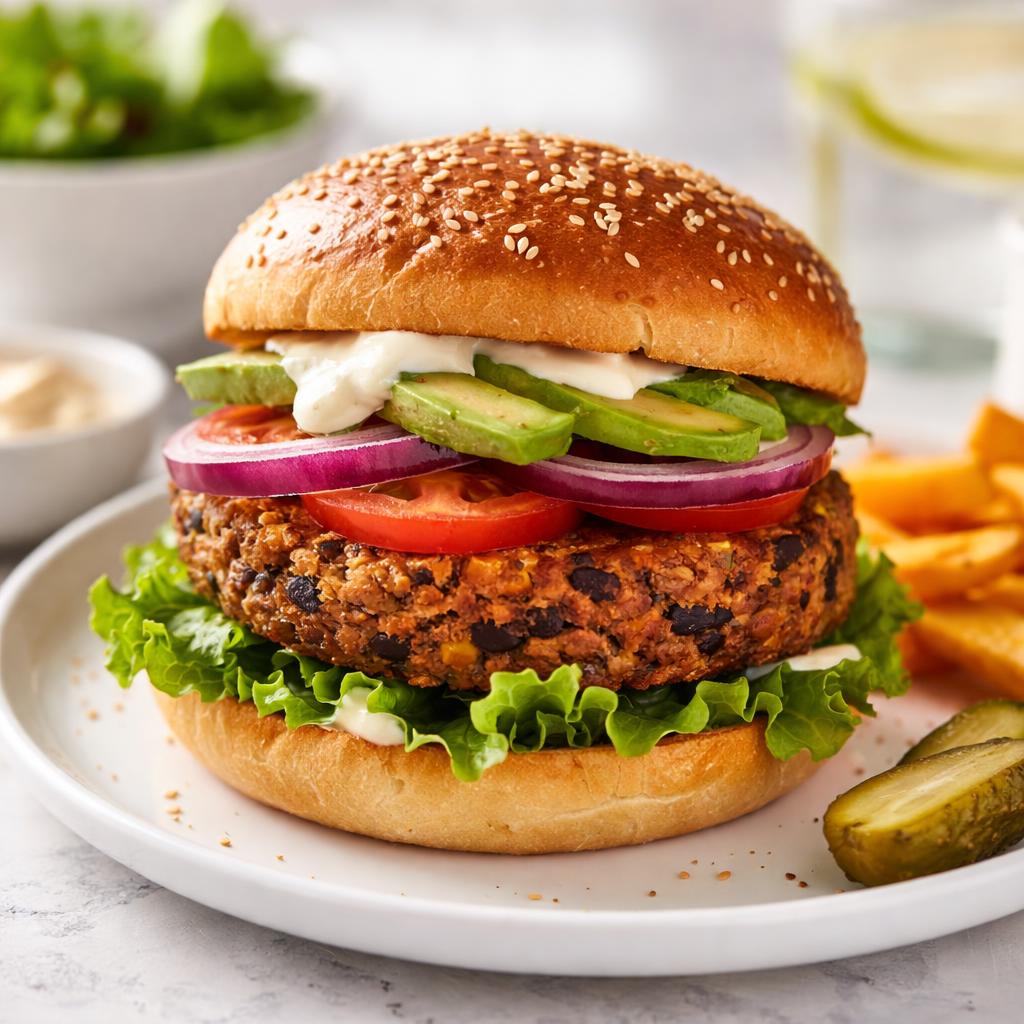
Veggie Burger
🎯 Quick Verdict
While bread is lower in calories and often carbohydrate-focused, the veggie burger offers significantly more protein and fiber, making it more nutrient-dense overall. Bread may be ideal for lighter meals, while veggie burgers excel in providing a more balanced nutritional profile for protein-based diets or plant-based eating plans.

Smart Nutrition Tracking with SnapCalorie

📊 Nutritional Comparison
Macronutrients
| Nutrient | Food 1 | Food 2 | Winner |
|---|---|---|---|
| Calories | 110 | 200 | ✓ |
| Protein | 4g | 12g | ✓ |
| Carbs | 22g | 15g | ✓ |
| Fat | 1g | 8g | ✓ |
| Fiber | 1g | 4g | ✓ |
Vitamins & Minerals
| Nutrient | Food 1 | Food 2 | Winner |
|---|---|---|---|
| Vitamin D | 0mcg | 2mcg | ✓ |
| Calcium | 70mg | 100mg | ✓ |
| Iron | 0.5mg | 3mg | ✓ |
🏆 Category Winners
Protein
Veggie burger contains triple the protein of bread.
Fiber
Veggie burger provides 300% more fiber per serving.
Calories
Bread has almost half the calories of a veggie burger, making it lighter.
🥗 Diet Compatibility
Keto
Food 1: Not Compatible
Food 2: Not Compatible
Both are too high in carbs for a keto diet.
Vegan
Food 1: Compatible
Food 2: Compatible
Both foods are plant-based and suitable for vegans.
Gluten Free
Food 1: Not Compatible
Food 2: Varies by brand
Bread contains gluten; some veggie burgers may be gluten-free if labeled.
Paleo
Food 1: Not Compatible
Food 2: Not Compatible
Neither aligns with paleo guidelines due to processing.
Low-Carb
Food 1: Not Compatible
Food 2: Partially Compatible
Veggie burger has fewer carbs than bread, but may not be considered strictly low-carb.
💪 Health Benefits Comparison
Food 1 Benefits
- Quick source of energy from carbohydrates
- Low in fat, good for lighter meals
- Pairs well with protein-rich toppings like eggs or nut butters
Food 2 Benefits
- Rich in plant protein to support muscle growth
- Loaded with fiber for better digestion
- Contains essential minerals like iron and calcium for bone health
- Provides heart-healthy fats, depending on brand ingredients
✅ The Bottom Line
Choose bread for lighter meals or as a carbohydrate base for toppings. Opt for veggie burgers when seeking a more balanced and nutrient-dense option, especially for plant-based protein or fiber needs.
Choose Food 1 for: Quick snacks, light carb-based meals, pairing with protein-rich spreads
Choose Food 2 for: Plant-based diets, high-protein meals, nutrient-dense options for health-focused eating


