Bread VS Sweet Potato
A detailed nutritional comparison

Bread
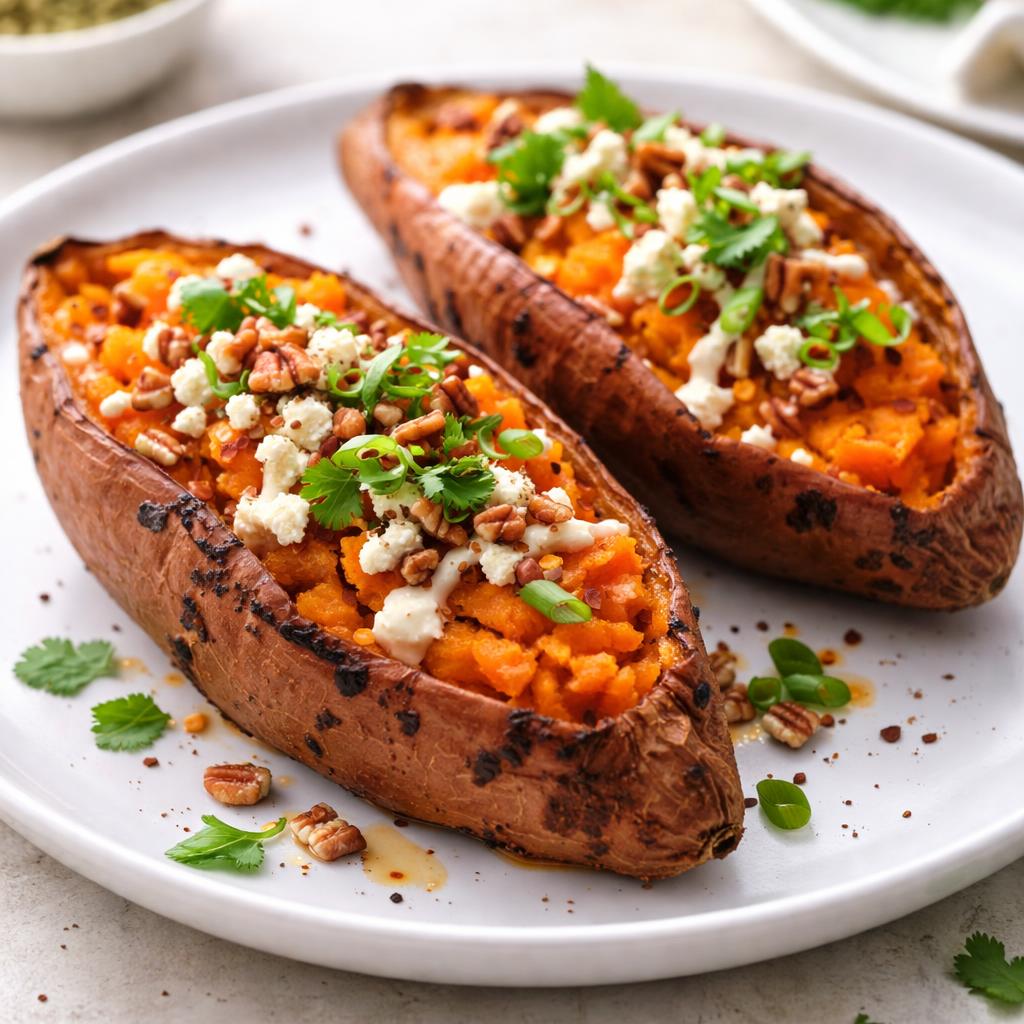
Sweet Potato
🎯 Quick Verdict
Sweet potatoes provide a wider range of vitamins and minerals, are higher in fiber (4g) and natural antioxidants compared to bread. Bread, however, offers slightly more protein and is a more calorie-dense carbohydrate choice suited for quick energy boosts. Sweet potatoes are best for nutrient-dense, whole-food diets, while bread fits better in convenience or high-calorie diets.

Smart Nutrition Tracking with SnapCalorie

📊 Nutritional Comparison
Macronutrients
| Nutrient | Food 1 | Food 2 | Winner |
|---|---|---|---|
| Calories | 150 kcal (per slice) | 150 kcal (per 150g) | − |
| Protein | 5g | 2g | − |
| Carbs | 28g | 35g | − |
| Fat | 1g | 0g | − |
| Fiber | 1.5g | 4g | − |
Vitamins & Minerals
| Nutrient | Food 1 | Food 2 | Winner |
|---|---|---|---|
| Vitamin A | 0 IU | 19218 IU (384% DV) | − |
| Vitamin C | 0mg | 18mg (20% DV) | − |
| Calcium | 75mg | 30mg | − |
| Iron | 0.5mg | 0.7mg | − |
🏆 Category Winners
Protein
Bread contains over twice the protein per serving compared to sweet potato.
Fiber
Sweet potato has nearly three times the fiber content of bread, supporting digestive health.
Calories
Both foods offer similar calorie counts per reasonable serving size, making them comparable energy sources.
Vitamins
Sweet potato is exceptionally rich in Vitamin A and Vitamin C, surpassing bread in overall micronutrient density.
🥗 Diet Compatibility
Keto
Food 1: Not Compatible
Food 2: Not Compatible
Both foods are high in carbohydrates and not suitable for keto diets.
Vegan
Food 1: Compatible
Food 2: Compatible
Both foods are plant-based and suitable for vegan diets.
Gluten Free
Food 1: Not Compatible
Food 2: Compatible
Bread typically contains gluten, while sweet potatoes are naturally gluten-free.
Paleo
Food 1: Not Compatible
Food 2: Compatible
Bread is not paleo-friendly due to grain content, whereas sweet potatoes align with paleo principles.
Low Carb
Food 1: Not Compatible
Food 2: Not Compatible
Both are high-carbohydrate foods, unsuitable for strict low-carb diets.
💪 Health Benefits Comparison
Food 1 Benefits
- Quick energy for physical activity
- Source of B vitamins for energy metabolism
- Convenient and low-cost carbohydrate option
Food 2 Benefits
- Rich in Vitamin A for eye health and immunity
- High fiber content for improved digestion
- Contains disease-fighting antioxidants
- Supports steady energy release due to complex carbs
✅ The Bottom Line
Both bread and sweet potato are valuable carbohydrate sources, but they cater to different dietary needs. Choose sweet potato for whole-food nutrition and improved digestion, especially for gluten-free or paleo diets. Bread is better for quick energy needs and slightly higher protein content, ideal for convenience-oriented diets.
Choose Food 1 for: Energy boosts, sandwiches, convenience
Choose Food 2 for: Nutrient density, digestion, gluten-free diets


