Bread VS Sunflower Seeds
A detailed nutritional comparison
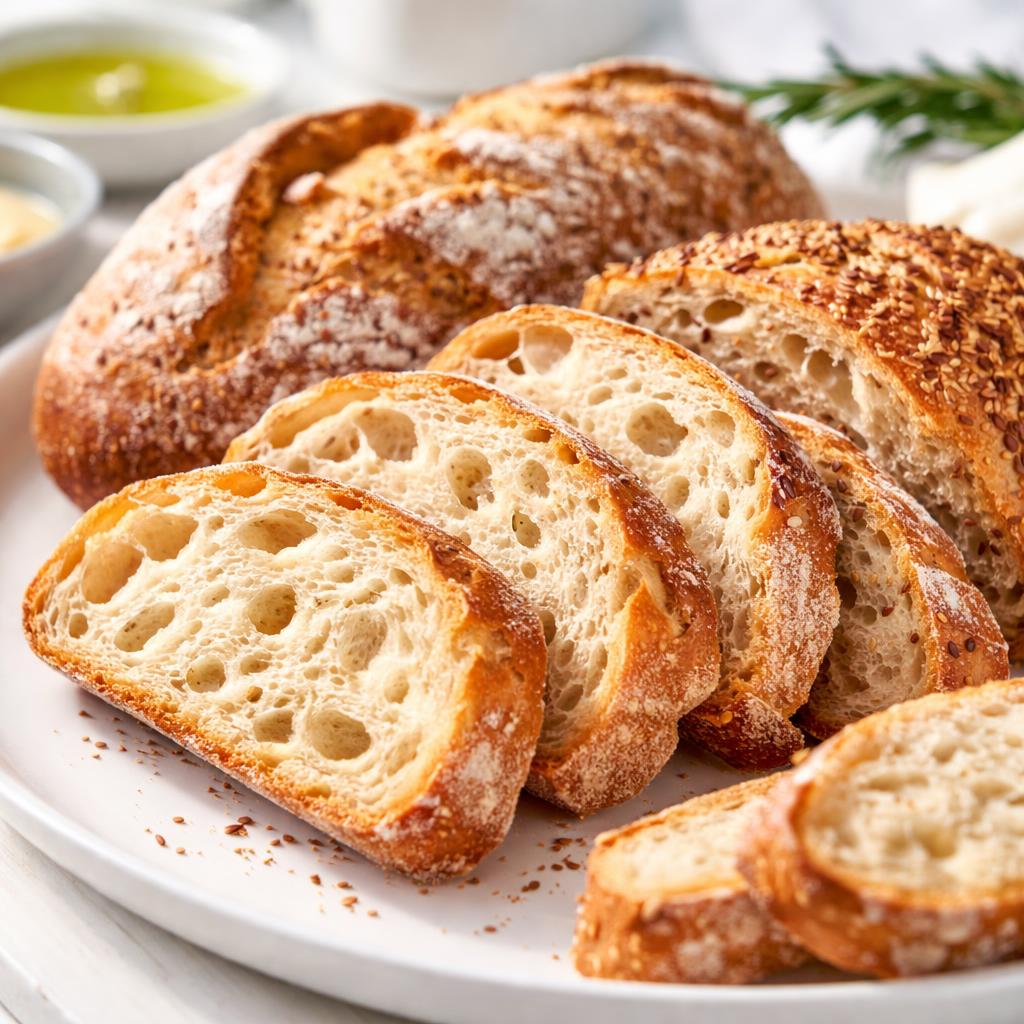
Bread
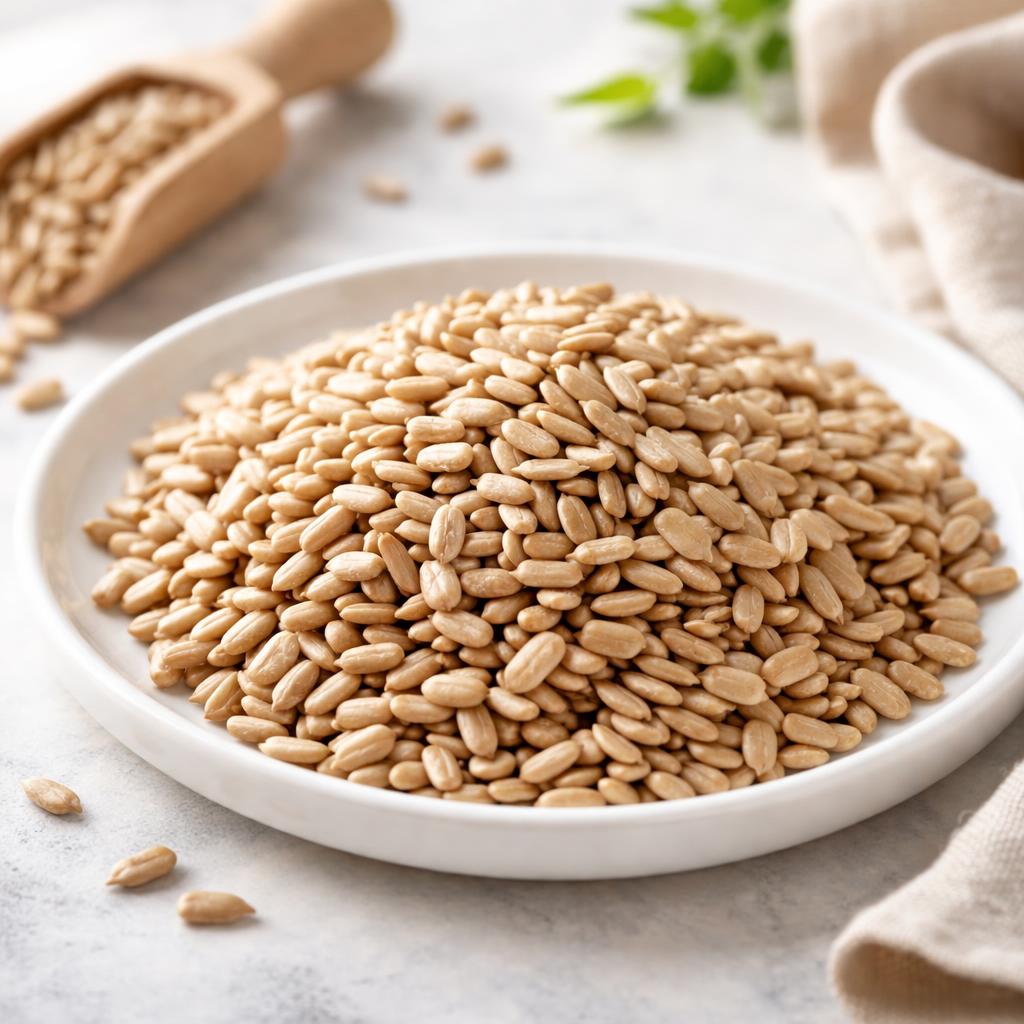
Sunflower Seeds
🎯 Quick Verdict
Bread and sunflower seeds differ significantly in nutritional profiles and usage. Bread is lower in calories and carbs, making it better for low-calorie diets, while sunflower seeds are a nutrient powerhouse with higher protein, fiber, and healthy fats suitable for heart health and sustained energy. Each serves unique dietary purposes depending on individual goals.

Smart Nutrition Tracking with SnapCalorie

📊 Nutritional Comparison
Macronutrients
| Nutrient | Food 1 | Food 2 | Winner |
|---|---|---|---|
| Calories | 70 (per slice) | 160 (per 1 oz) | ✓ |
| Protein | 2g | 5g | ✓ |
| Carbs | 13g | 6g | ✓ |
| Fat | 1g | 14g | ✓ |
| Fiber | 1g | 3g | ✓ |
Vitamins & Minerals
| Nutrient | Food 1 | Food 2 | Winner |
|---|---|---|---|
| Vitamin E | 0.1mg | 7.4mg | ✓ |
| Vitamin B6 | 0.02mg | 0.3mg | ✓ |
| Magnesium | 10mg | 37mg | ✓ |
| Iron | 0.5mg | 1.4mg | ✓ |
🏆 Category Winners
Protein
Sunflower seeds have 2.5x more protein per serving compared to bread.
Fiber
Sunflower seeds contain triple the fiber, aiding digestion.
Calories
Bread is lower in calories (70 per slice vs. 160 per ounce of sunflower seeds).
🥗 Diet Compatibility
Keto
Food 1: Not Compatible
Food 2: Compatible
Sunflower seeds are low-carb and high-fat, fitting keto guidelines.
Vegan
Food 1: Compatible
Food 2: Compatible
Both foods are plant-based and suitable for vegans.
Gluten Free
Food 1: Not Compatible
Food 2: Compatible
Bread often contains gluten unless specified as gluten-free.
Paleo
Food 1: Not Compatible
Food 2: Compatible
Sunflower seeds align with paleo principles; bread does not.
Low-Carb
Food 1: Not Compatible
Food 2: Compatible
Sunflower seeds have only 6g of carbs per serving, much lower than bread's 13g per serving.
💪 Health Benefits Comparison
Food 1 Benefits
- Low-calorie option for weight management
- Source of quick energy due to carbs
- Contains small amounts of vitamins and minerals like iron
Food 2 Benefits
- Rich in healthy fats for cardiovascular health
- High in protein for building and repairing muscle
- Excellent source of antioxidants such as Vitamin E
- Provides key minerals like magnesium for bone and nerve function
✅ The Bottom Line
Choose bread for light meals or snacks on a lower-calorie diet or when quick energy is needed, such as pre-workout. Opt for sunflower seeds to boost nutrients like protein, fiber, and healthy fats, making them ideal for sustained energy and heart health benefits.
Choose Food 1 for: Weight management, quick energy, light meals or snacks
Choose Food 2 for: Heart health, sustained energy, nutrient density


