Bread VS Steel Cut Oats
A detailed nutritional comparison
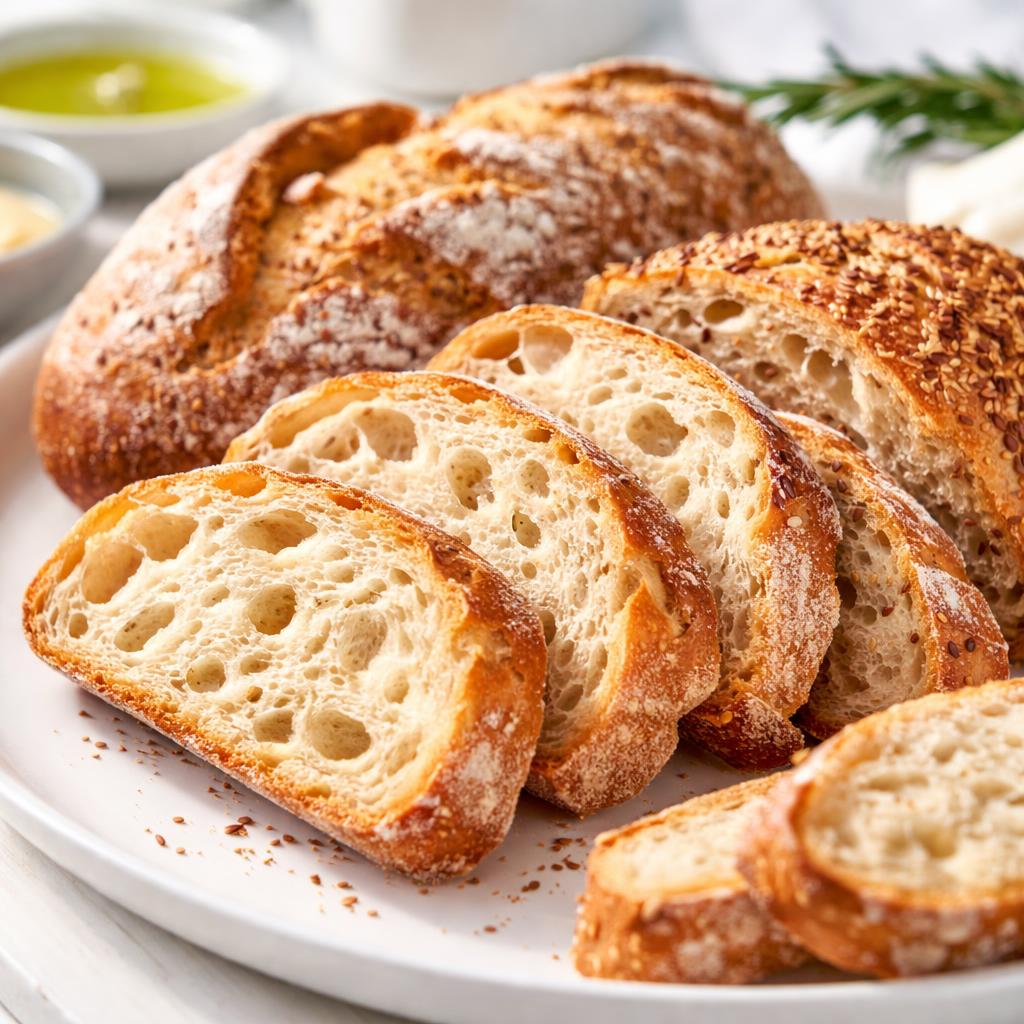
Bread
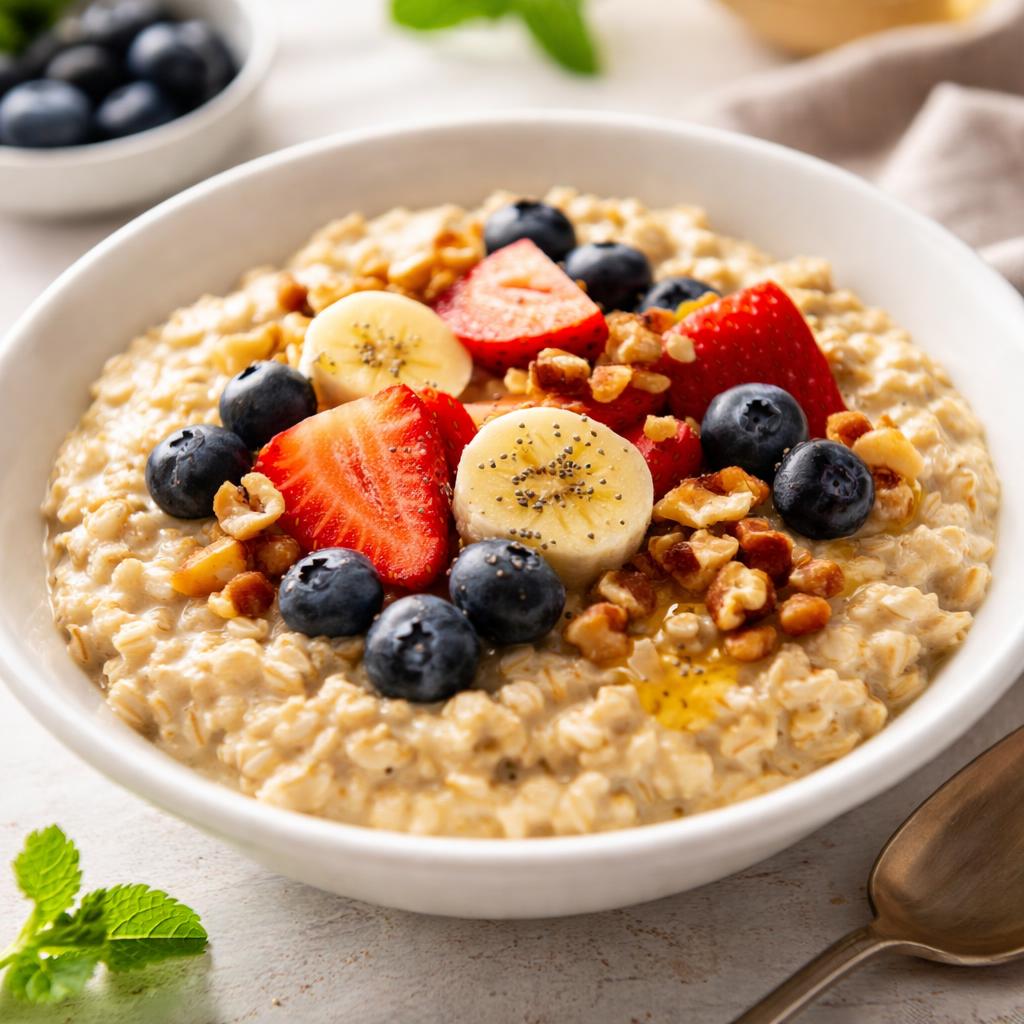
Steel Cut Oats
🎯 Quick Verdict
Steel cut oats outperform bread in protein, fiber, and overall nutrient density, while providing fewer calories per serving. Bread may be better for quick energy, but steel cut oats excel in longer-lasting satiety and are a great choice for heart health and sustained energy levels.

Smart Nutrition Tracking with SnapCalorie

📊 Nutritional Comparison
Macronutrients
| Nutrient | Food 1 | Food 2 | Winner |
|---|---|---|---|
| Calories | 266 | 170 | ✓ |
| Protein | 7g | 5g | ✓ |
| Carbs | 49g | 29g | ✓ |
| Fat | 1g | 3g | ✓ |
| Fiber | 2g | 4g | ✓ |
Vitamins & Minerals
| Nutrient | Food 1 | Food 2 | Winner |
|---|---|---|---|
| Vitamin D | 0mcg | 0mcg | − |
| Calcium | 100mg | 20mg | ✓ |
| Iron | 4mg | 2mg | ✓ |
| Magnesium | 25mg | 60mg | ✓ |
🏆 Category Winners
Protein
Bread contains slightly more protein per serving than steel cut oats.
Fiber
Steel cut oats provide twice as much fiber as bread.
Calories
Steel cut oats have 36% fewer calories than bread.
Vitamins
Bread contains higher calcium and iron levels compared to steel cut oats.
🥗 Diet Compatibility
Keto
Food 1: Not Compatible
Food 2: Not Compatible
Both are high in carbs, excluding them from keto diets.
Vegan
Food 1: Compatible
Food 2: Compatible
Both foods are plant-based and suitable for vegan diets.
Gluten Free
Food 1: Not Compatible
Food 2: Compatible
Bread generally contains gluten, while steel cut oats are naturally gluten-free (verify packaging for cross-contamination).
Paleo
Food 1: Not Compatible
Food 2: Not Compatible
Both foods do not typically align with a paleo diet.
Low-Carb
Food 1: Not Compatible
Food 2: Not Compatible
Neither food is appropriate for low-carb diets due to their high carbohydrate content.
💪 Health Benefits Comparison
Food 1 Benefits
- Quick source of energy from carbohydrates
- Good source of calcium for bone health
- Contains iron for oxygen transport in the body
Food 2 Benefits
- Rich in dietary fiber for digestion
- Contains magnesium for muscle and nerve function
- Supports heart health with whole grain benefits
- Provides long-lasting energy
✅ The Bottom Line
Bread is a convenient option for quick energy and is slightly higher in calcium and iron, making it suitable for individuals prioritizing these nutrients. Steel cut oats are the better choice for sustained energy, heart health, and digestive support due to their lower calorie count and higher fiber content.
Choose Food 1 for: Quick energy, sandwiches, easy carb source
Choose Food 2 for: Healthy breakfasts, long-term satiety, heart health


