Bread VS Soy Milk
A detailed nutritional comparison
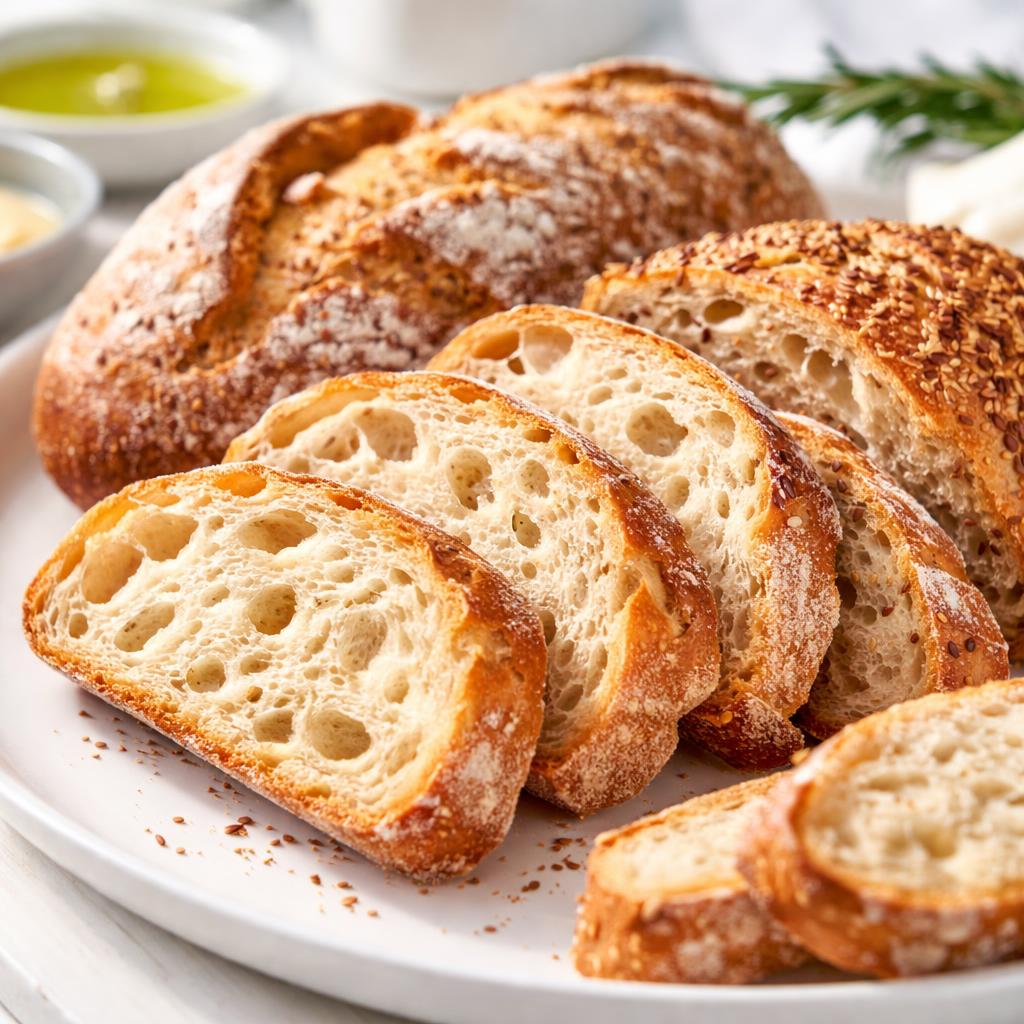
Bread
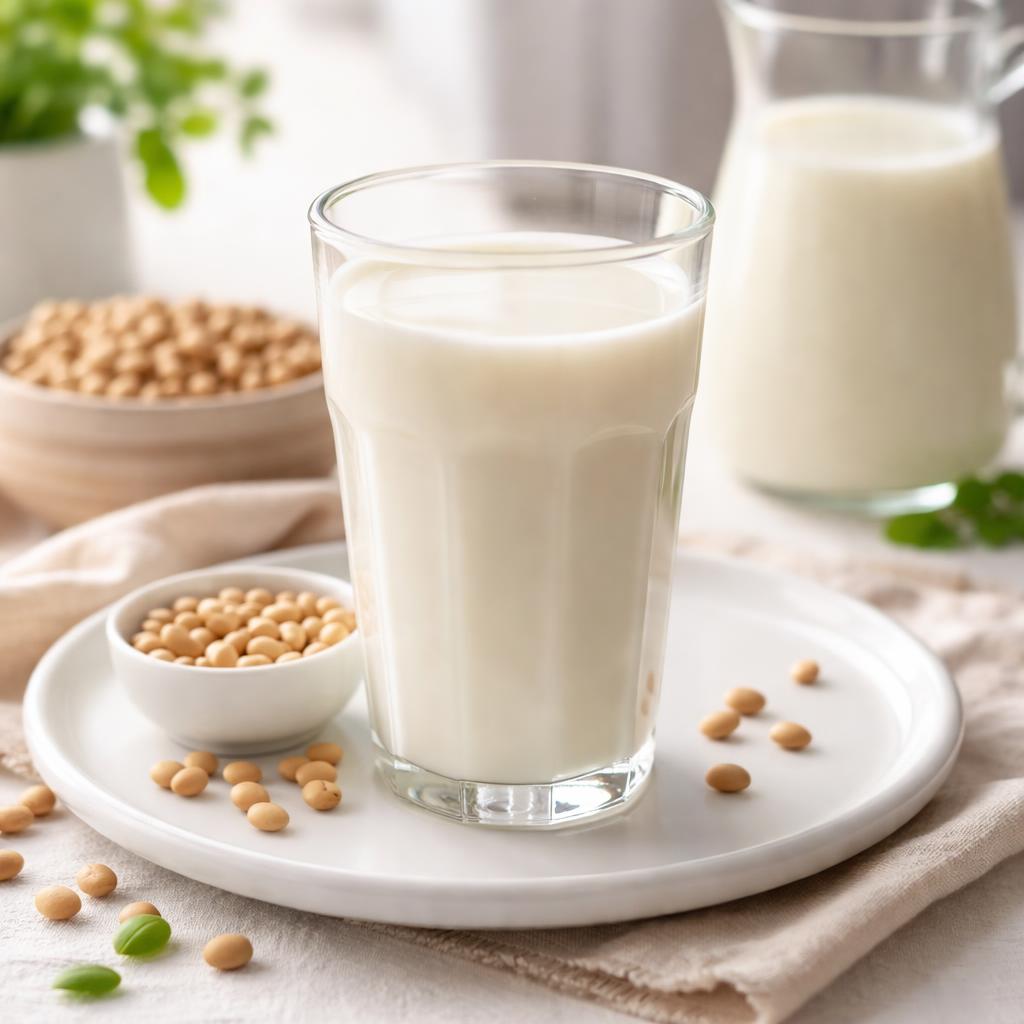
Soy Milk
🎯 Quick Verdict
Soy milk stands out for its higher protein content and lower calorie count, making it a strong choice for those seeking a nutrient-dense beverage. Bread excels in fiber content and is better suited for providing quick energy from carbohydrates. Both foods cater to different dietary needs and can complement various meal plans accordingly.

Smart Nutrition Tracking with SnapCalorie

📊 Nutritional Comparison
Macronutrients
| Nutrient | Food 1 | Food 2 | Winner |
|---|---|---|---|
| Calories | 75 (per slice) | 80 (per cup) | ✓ |
| Protein | 2g | 7g | ✓ |
| Carbs | 14g | 4g | ✓ |
| Fat | 1g | 4g | ✓ |
| Fiber | 1g | 0g | ✓ |
Vitamins & Minerals
| Nutrient | Food 1 | Food 2 | Winner |
|---|---|---|---|
| Vitamin D | 0mcg | 2.5mcg | ✓ |
| Calcium | 75mg | 300mg | ✓ |
| Iron | 0.7mg | 1mg | ✓ |
🏆 Category Winners
Protein
Soy milk contains 3.5x more protein per serving compared to bread.
Fiber
Bread contains dietary fiber while soy milk does not.
Calories
Bread has marginally fewer calories per serving.
Vitamins
Soy milk is fortified with essential vitamins like Vitamin D and Calcium, while bread is lower in these nutrients.
🥗 Diet Compatibility
Keto
Food 1: Not Compatible
Food 2: Compatible
Soy milk is low-carb, while bread is high in carbohydrates.
Vegan
Food 1: Compatible
Food 2: Compatible
Both are plant-based.
Gluten Free
Food 1: Not Compatible
Food 2: Compatible
Bread typically contains gluten unless labeled gluten-free.
Paleo
Food 1: Not Compatible
Food 2: Not Compatible
Both foods are processed and do not fit Paleo principles.
Low-Carb
Food 1: Not Compatible
Food 2: Compatible
Soy milk is lower in carbohydrates than bread.
💪 Health Benefits Comparison
Food 1 Benefits
- Provides quick energy from carbohydrates
- Contains fiber for improved digestion
- Can be enriched with B vitamins in fortified versions
Food 2 Benefits
- High in protein to support muscle building and maintenance
- Fortified with Calcium and Vitamin D for bone health
- Low in carbs, suitable for weight management or low-carb diets
- Contains plant-based fats for heart health
✅ The Bottom Line
Bread is best utilized for quick energy from carbohydrates and is ideal for meals requiring fiber, like breakfast. Soy milk offers a higher protein nutrient profile, lower calorie content, and essential vitamins, making it a superior choice for those seeking a health-supportive beverage or following specific diets like vegan or gluten-free.
Choose Food 1 for: Energy boost, fiber intake, supporting digestion
Choose Food 2 for: Protein needs, bone health, low-carb or weight-conscious diets


