Bread VS Sour Dough Bread
A detailed nutritional comparison

Bread
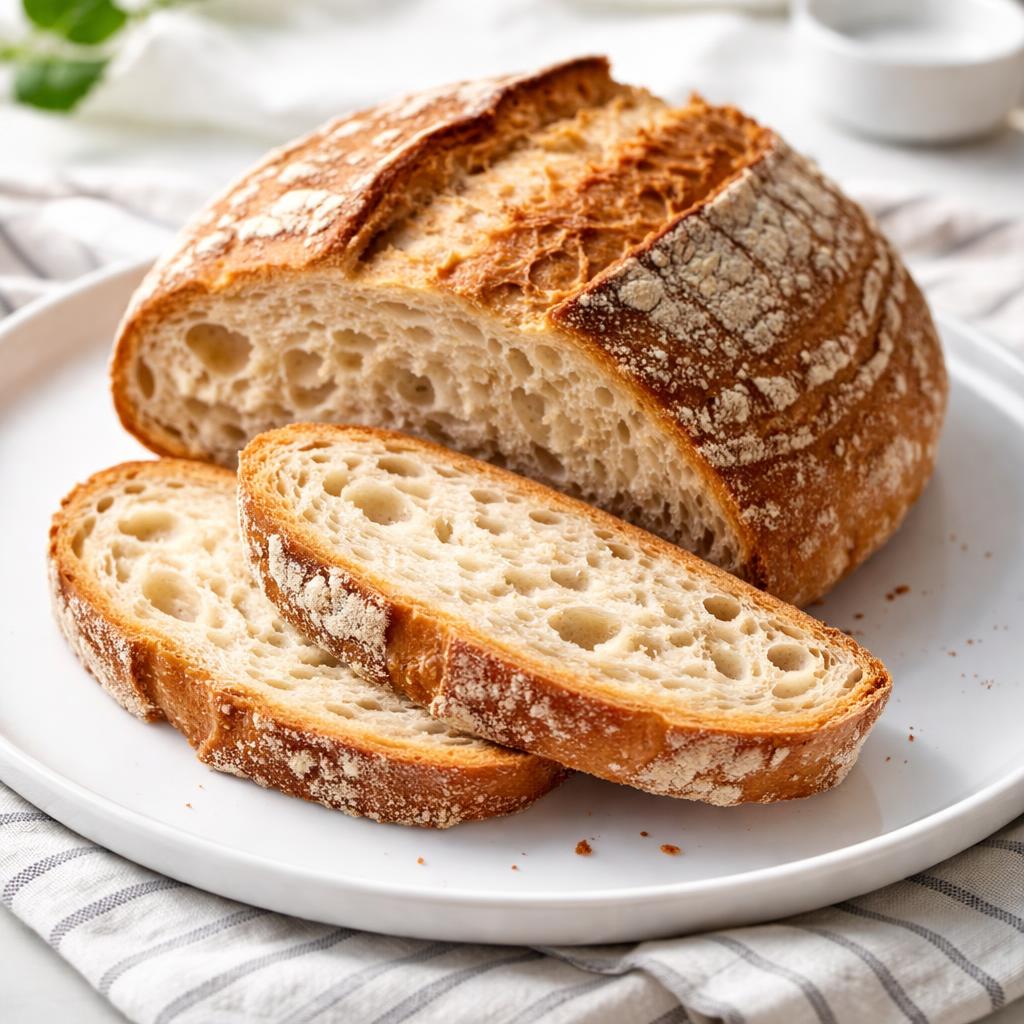
Sour Dough Bread
🎯 Quick Verdict
Both bread types offer similar calorie and protein content but differ in fiber and digestibility. Sourdough bread shines for its natural fermentation process, which aids digestion and enhances nutrient absorption, making it slightly superior nutritionally. Regular bread is versatile for various diets and quick meals due to its broader availability and simplicity.

Smart Nutrition Tracking with SnapCalorie

📊 Nutritional Comparison
Macronutrients
| Nutrient | Food 1 | Food 2 | Winner |
|---|---|---|---|
| Calories | 79 per slice | 80 per slice | − |
| Protein | 4g | 4g | − |
| Carbs | 15g | 15g | − |
| Fat | 1g | 0.5g | ✓ |
| Fiber | 1g | 2g | − |
Vitamins & Minerals
| Nutrient | Food 1 | Food 2 | Winner |
|---|---|---|---|
| Vitamin B1 | 0.1mg | 0.1mg | − |
| Iron | 0.5mg | 0.7mg | − |
| Magnesium | 5mg | 7mg | − |
🏆 Category Winners
Protein
Both bread types provide equal amounts of protein.
Fiber
Sourdough contains double the fiber, aiding digestion.
Calories
Calorie difference is negligible (1 calorie difference per slice).
🥗 Diet Compatibility
Keto
Food 1: Not Compatible
Food 2: Not Compatible
Both are high in carbs.
Vegan
Food 1: Compatible
Food 2: Compatible
Neither contains animal products.
Gluten Free
Food 1: Not Compatible
Food 2: Not Compatible
Both contain wheat and gluten.
Paleo
Food 1: Not Compatible
Food 2: Not Compatible
Bread is not part of the paleo philosophy.
Low-Carb
Food 1: Not Compatible
Food 2: Not Compatible
Both are carb-heavy, opposing a low-carb diet.
💪 Health Benefits Comparison
Food 1 Benefits
- Provides quick energy from carbohydrates
- Versatile in pairing with various meals
- Rich in B-vitamins for energy metabolism
Food 2 Benefits
- Improves gut health via fermentation process
- Contains beneficial minerals like iron and magnesium
- Offers better digestibility and nutrient absorption
✅ The Bottom Line
Choose sourdough bread if you prioritize digestion and gut health, thanks to its fermentation process and higher fiber content. Regular bread is best for general use due to its widespread availability and versatility. Both are similar in calories and protein, making them interchangeable for basic dietary needs.
Choose Food 1 for: Everyday use, quick carb source, meal versatility
Choose Food 2 for: Gut health, nutrient absorption, fiber-rich diets


