Bread VS Seed Bread
A detailed nutritional comparison

Bread
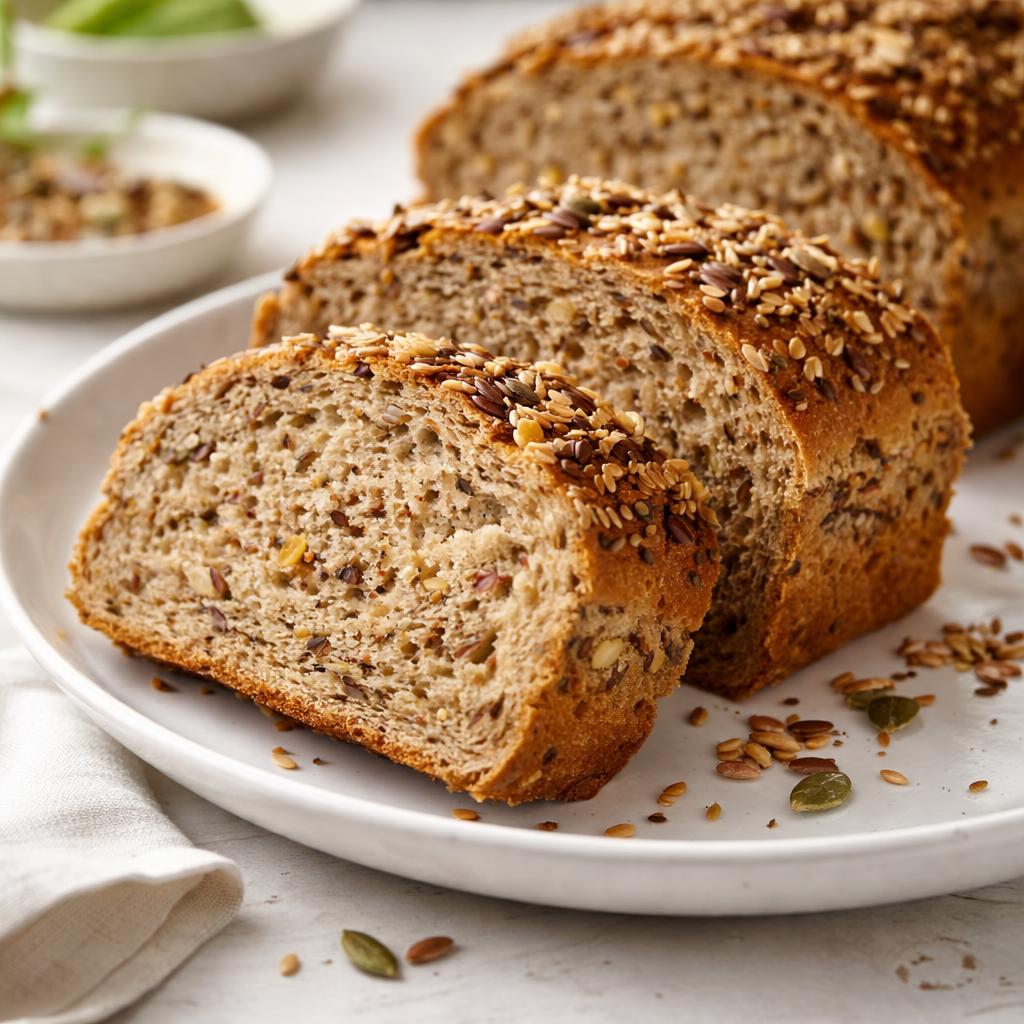
Seed Bread
🎯 Quick Verdict
Seed bread is a nutrient-dense option, with substantially higher protein (8g vs 4g) and fiber (5g vs 1g) than regular bread. Regular bread, on the other hand, is lower in calories (75 vs 120 per slice) and may be preferable for those seeking a simpler carb source. Seed bread is ideal for health-conscious individuals, while traditional bread works well for general diets or lower-calorie meals.

Smart Nutrition Tracking with SnapCalorie

📊 Nutritional Comparison
Macronutrients
| Nutrient | Food 1 | Food 2 | Winner |
|---|---|---|---|
| Calories | 75 | 120 | ✓ |
| Protein | 4g | 8g | ✓ |
| Carbs | 14g | 10g | ✓ |
| Fat | 1g | 6g | ✓ |
| Fiber | 1g | 5g | ✓ |
Vitamins & Minerals
| Nutrient | Food 1 | Food 2 | Winner |
|---|---|---|---|
| Vitamin B6 | 0.05mg | 0.2mg | ✓ |
| Magnesium | 6mg | 60mg | ✓ |
| Iron | 0.7mg | 1.5mg | ✓ |
🏆 Category Winners
Protein
Seed bread contains twice the protein per slice compared to regular bread.
Fiber
Seed bread has five times more fiber per slice.
Calories
Traditional bread provides 45 fewer calories per slice than seed bread.
Vitamins
Seed bread is richer in key vitamins and minerals like magnesium and vitamin B6.
🥗 Diet Compatibility
Keto
Food 1: Not Compatible
Food 2: Not Compatible
Both are high in carbs and unsuitable for keto diets.
Vegan
Food 1: Compatible
Food 2: Compatible
Neither bread contains animal-derived ingredients.
Gluten Free
Food 1: Not Compatible
Food 2: Not Compatible
Both contain gluten unless labeled gluten-free.
Paleo
Food 1: Not Compatible
Food 2: Not Compatible
Grains are excluded from the paleo diet.
Low-Carb
Food 1: Not Compatible
Food 2: Partially Compatible
Seed bread has a lower carb profile compared to traditional bread but is still not very low-carb.
💪 Health Benefits Comparison
Food 1 Benefits
- Low calorie option for weight-conscious individuals
- Good source of quick energy from carbohydrates
- Provides small amounts of essential nutrients like iron
Food 2 Benefits
- High in protein for muscle repair and maintenance
- Rich in heart-healthy fats from seeds (e.g., omega-3s)
- Significant fiber content supports digestion and gut health
- Provides essential minerals like magnesium for muscle and nerve function
✅ The Bottom Line
Seed bread is overall healthier than regular bread, offering more protein, fiber, and micronutrients. It’s a better choice for nutrient-dense meals or heart health. Regular bread is simpler and lower in calories, making it suitable for lighter meals or basic energy needs.
Choose Food 1 for: Weight loss, simple carbohydrate sources, low-calorie diets
Choose Food 2 for: Muscle gain, heart health, nutrient-rich diets


