Bread VS Salmon
A detailed nutritional comparison
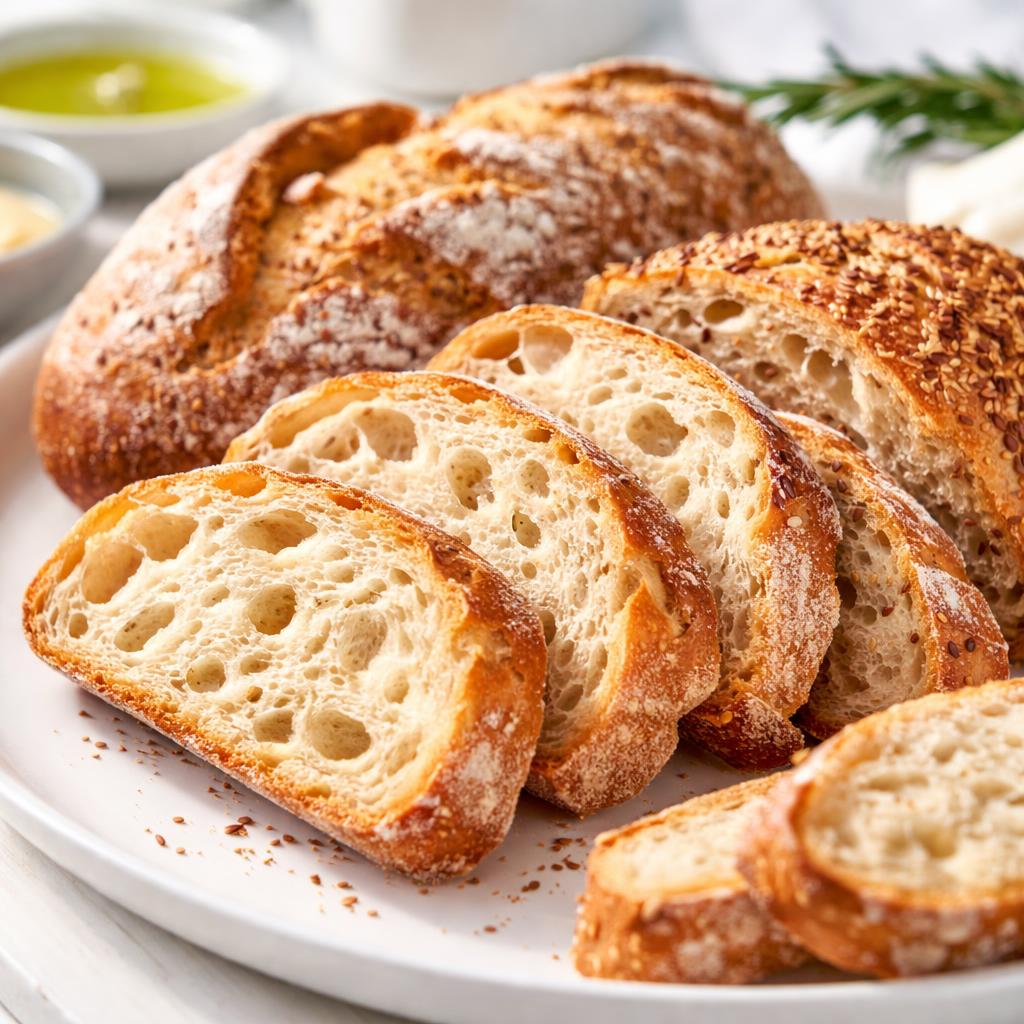
Bread
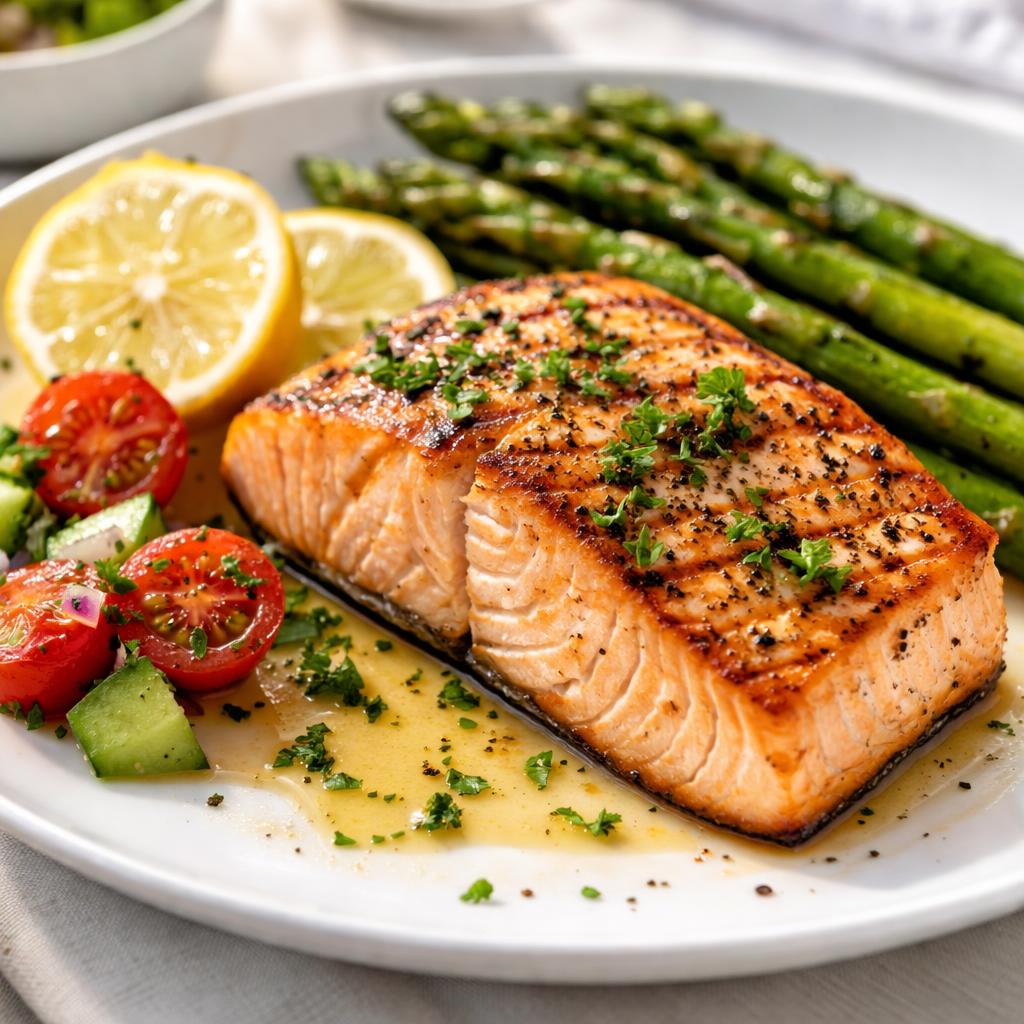
Salmon
🎯 Quick Verdict
Salmon is a nutrient-dense protein powerhouse with healthy fats, ideal for heart health and muscle maintenance. Bread provides more carbohydrates for energy, along with fiber, but lacks significant protein or omega-3 fats. Bread is better for quick energy, while salmon supports overall nutrition and health goals.

Smart Nutrition Tracking with SnapCalorie

📊 Nutritional Comparison
Macronutrients
| Nutrient | Food 1 | Food 2 | Winner |
|---|---|---|---|
| Calories | 250 (2 slices) | 250 (4oz) | − |
| Protein | 8g | 25g | ✓ |
| Carbs | 48g | 0g | ✓ |
| Fat | 2g | 13g | ✓ |
| Fiber | 4g | 0g | ✓ |
Vitamins & Minerals
| Nutrient | Food 1 | Food 2 | Winner |
|---|---|---|---|
| Vitamin D | 0mcg | 15mcg | ✓ |
| Calcium | 60mg | 20mg | ✓ |
| Iron | 1.5mg | 0.5mg | ✓ |
| Omega-3 Fatty Acids | 0g | 1.5g | ✓ |
🏆 Category Winners
Protein
Salmon contains over 3x more protein than bread per serving.
Fiber
Bread offers 4g of fiber, while salmon doesn't contain fiber.
Calories
Both have similar calorie counts per serving.
Vitamins
Salmon is rich in Vitamin D and omega-3s, critical for bone and heart health.
🥗 Diet Compatibility
Keto
Food 1: Not Compatible
Food 2: Compatible
Salmon is carb-free, while bread is high in carbs.
Vegan
Food 1: Compatible
Food 2: Not Compatible
Bread is plant-based, while salmon is an animal product.
Gluten Free
Food 1: Not Compatible
Food 2: Compatible
Bread contains gluten unless specified as gluten-free, whereas salmon is naturally gluten-free.
Paleo
Food 1: Not Compatible
Food 2: Compatible
Bread is a processed grain product, which is not paleo-friendly, but salmon is paleo-compatible.
Low-Carb
Food 1: Not Compatible
Food 2: Compatible
Salmon is carb-free, while bread is high in carbohydrates.
💪 Health Benefits Comparison
Food 1 Benefits
- Provides carbohydrates for energy
- Contains dietary fiber to support digestion
- Fortified versions may include added vitamins and minerals like iron or folic acid
Food 2 Benefits
- Rich in high-quality protein for muscle growth and repair
- High in omega-3 fatty acids for heart and brain health
- Excellent source of vitamin D for bone health and immune support
- Provides selenium, a powerful antioxidant
✅ The Bottom Line
Choose bread when seeking quick energy or as part of a balanced meal with other protein-rich foods. Opt for salmon when prioritizing high-quality protein, healthy fats, and essential nutrients like omega-3s and Vitamin D.
Choose Food 1 for: Quick energy, vegan meals, fiber intake
Choose Food 2 for: Protein-rich diets, heart and brain health, bone support


