Bread VS Onion
A detailed nutritional comparison
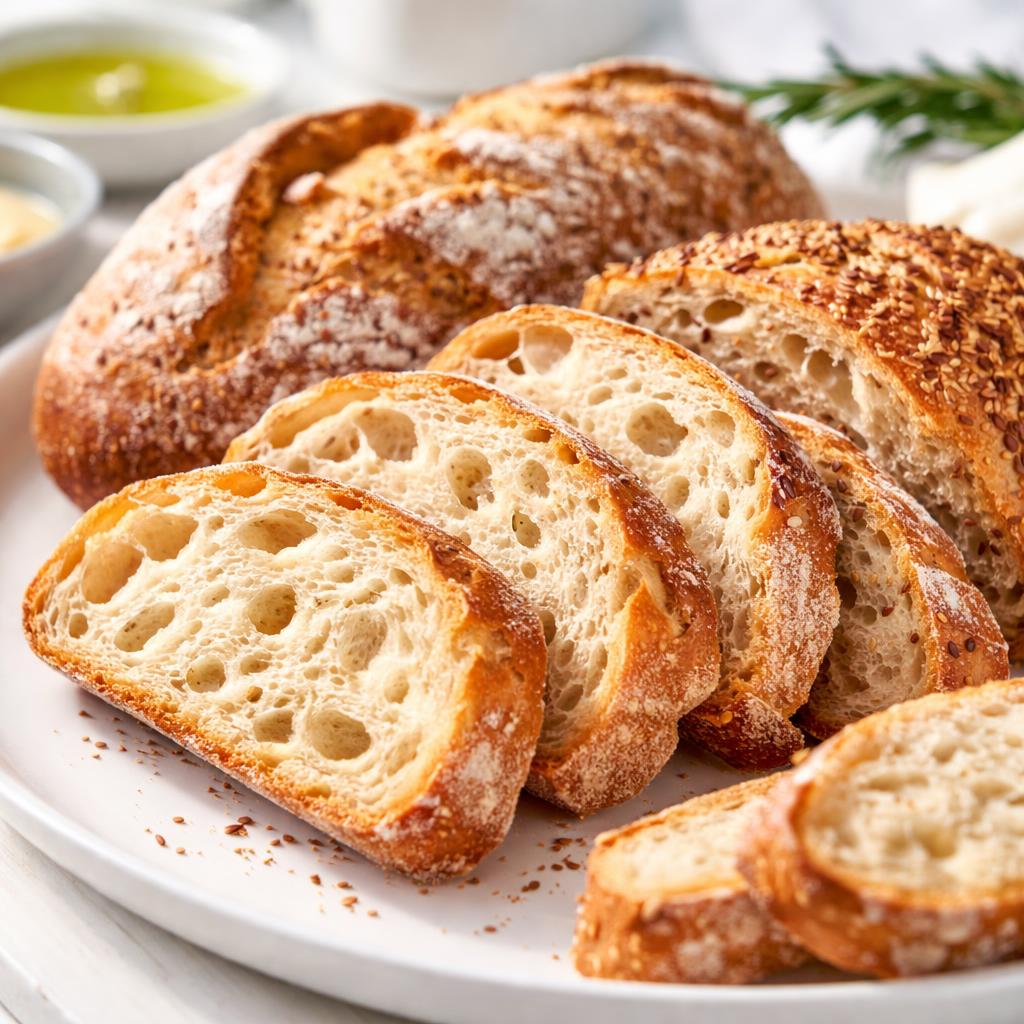
Bread
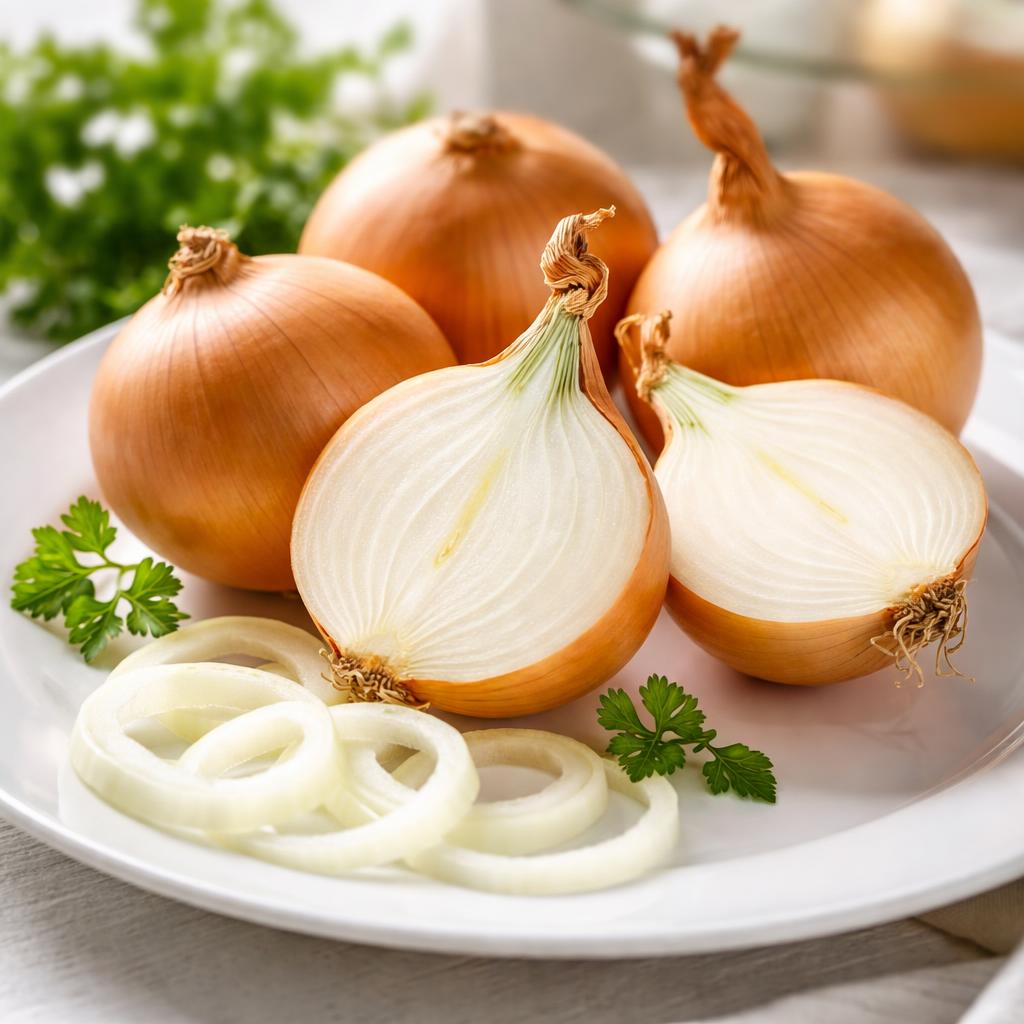
Onion
🎯 Quick Verdict
Bread and onions fulfill very different dietary purposes. Bread is a calorie-dense food providing more protein and carbs, making it ideal for energy and muscle maintenance. Onions, however, are nutrient-dense vegetables with fewer calories and more fiber, suited for digestion and antioxidants. Each food is best chosen based on dietary goals and meal context.

Smart Nutrition Tracking with SnapCalorie

📊 Nutritional Comparison
Macronutrients
| Nutrient | Food 1 | Food 2 | Winner |
|---|---|---|---|
| Calories | 78 (per slice) | 40 (1 medium onion) | ✓ |
| Protein | 3g | 1g | ✓ |
| Carbs | 14g | 9g | ✓ |
| Fat | 1g | 0g | ✓ |
| Fiber | 1g | 2g | ✓ |
Vitamins & Minerals
| Nutrient | Food 1 | Food 2 | Winner |
|---|---|---|---|
| Vitamin C | 0mg | 7mg | ✓ |
| Vitamin A | 0IU | 2IU | ✓ |
| Folate | 36mcg | 20mcg | ✓ |
| Calcium | 45mg | 23mg | ✓ |
| Potassium | 31mg | 190mg | ✓ |
🏆 Category Winners
Protein
Bread has 200% more protein compared to onions.
Fiber
Onion contains twice as much fiber as bread.
Calories
Onion is a low-calorie food with nearly half the calories of bread.
Vitamins
Onions are richer in vitamins like C, A, and potassium needed for immune health.
🥗 Diet Compatibility
Keto
Food 1: Not Compatible
Food 2: Compatible
Onions fit into ketogenic diets due to low net carbs.
Vegan
Food 1: Compatible
Food 2: Compatible
Both are plant-based foods appropriate for vegans.
Gluten Free
Food 1: Not Compatible
Food 2: Compatible
Bread typically contains gluten, while onions are naturally gluten-free.
Paleo
Food 1: Not Compatible
Food 2: Compatible
Onions fit a paleo diet since they are whole, unprocessed vegetables.
Low Carb
Food 1: Not Compatible
Food 2: Compatible
Bread is high-carb relative to onions, which are lower carb.
💪 Health Benefits Comparison
Food 1 Benefits
- Provides energy from healthy carbohydrates
- Good source of folate and calcium for bone health
- Supports muscle maintenance with moderate protein levels
Food 2 Benefits
- Rich in antioxidants, including quercetin, for cellular protection
- Promotes digestion with a higher fiber content
- Boosts immunity with vitamin C and potassium
✅ The Bottom Line
Choose bread for energy, muscle maintenance, or filling meal options, especially in physically active lifestyles. Opt for onions to enhance antioxidant intake, promote digestion, or for a low-calorie addition to meals. Both complement each other in balanced diets depending on dietary goals.
Choose Food 1 for: Energy boost, active lifestyles, muscle-building diets
Choose Food 2 for: Digestive health, antioxidant-rich meals, low-calorie diets


