Bread VS Olive
A detailed nutritional comparison
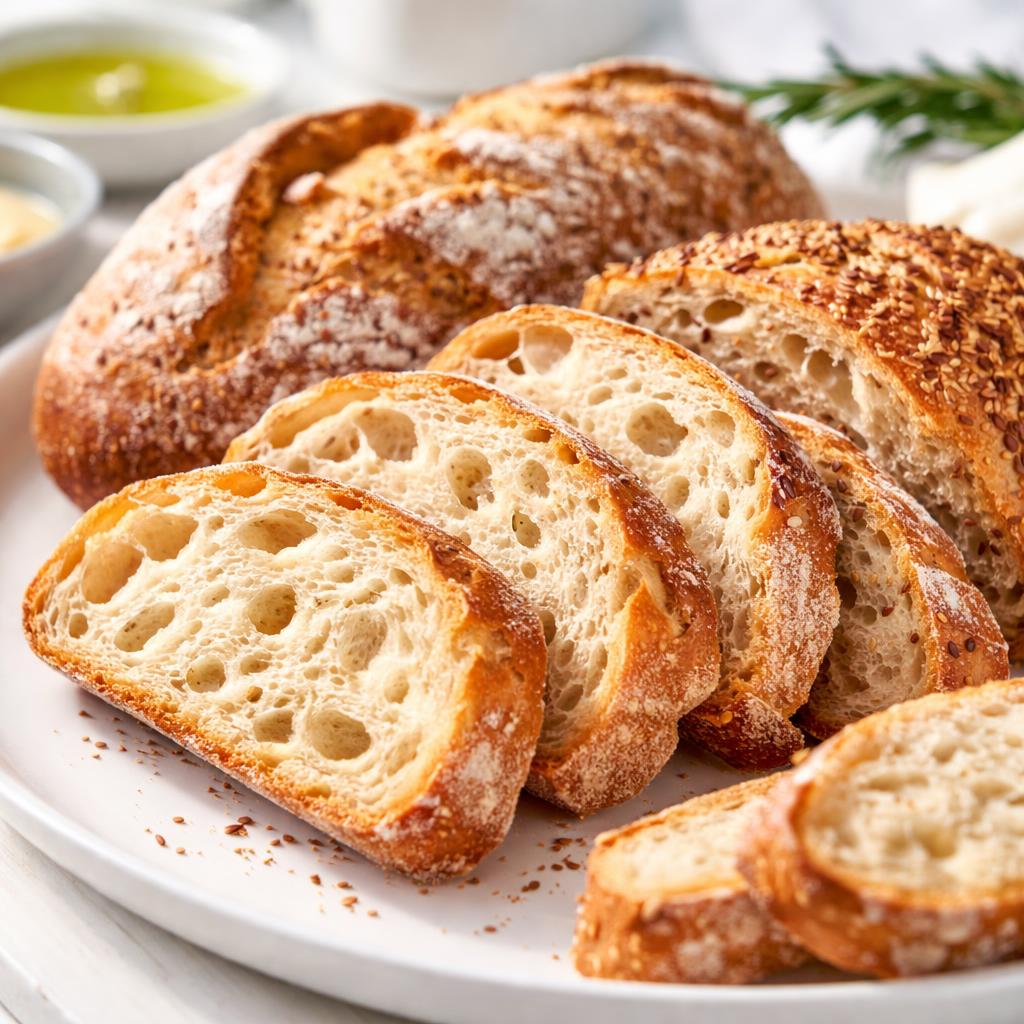
Bread
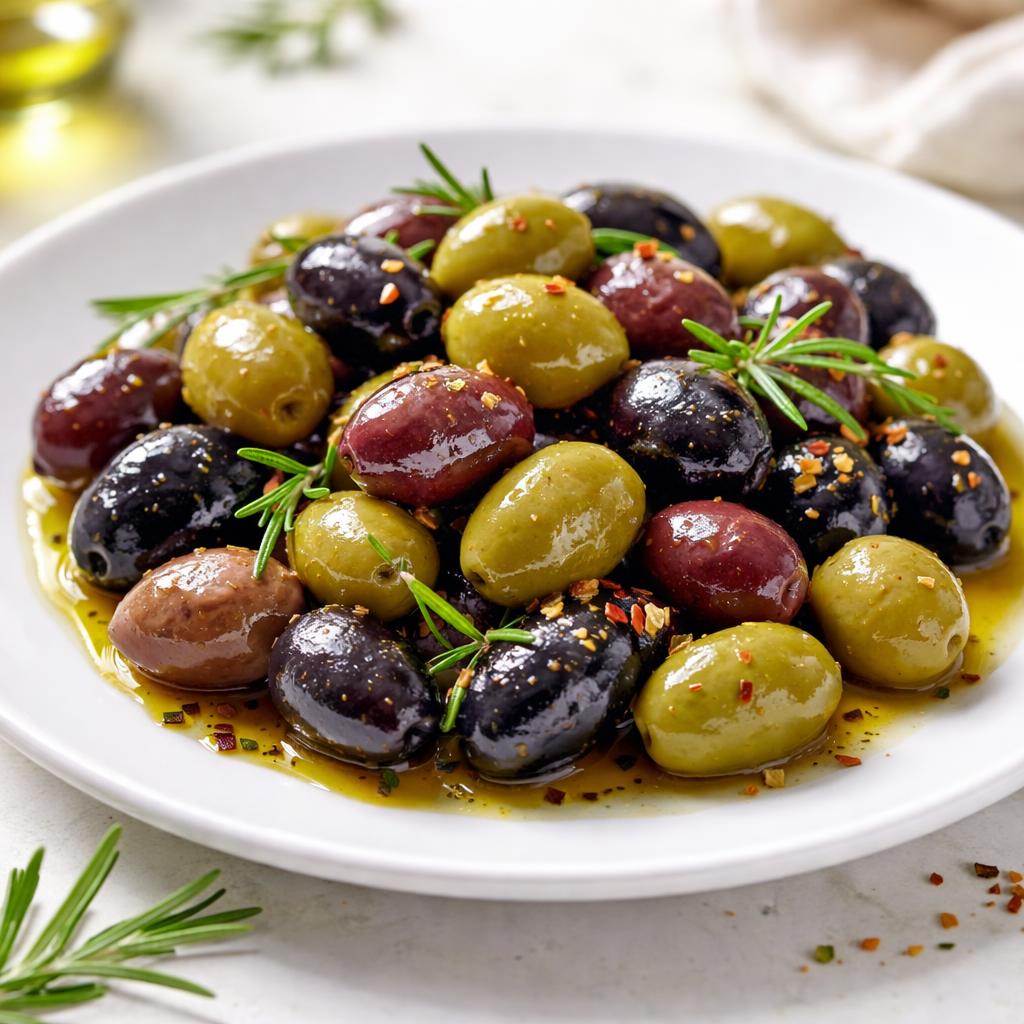
Olive
🎯 Quick Verdict
Bread is higher in protein and fiber, making it a better option for those seeking energy and satiety. Olives are lower in calories and fats, providing heart-healthy benefits and sustained energy. Bread is great for post-workout or quick meals, while olives suit light snacking or Mediterranean-style diets.

Smart Nutrition Tracking with SnapCalorie

📊 Nutritional Comparison
Macronutrients
| Nutrient | Food 1 | Food 2 | Winner |
|---|---|---|---|
| Calories | 80 per slice | 40 per 10 olives | ✓ |
| Protein | 3g | 0.5g | ✓ |
| Carbs | 13g | 1g | ✓ |
| Fat | 1g | 4g | ✓ |
| Fiber | 1g | 0.5g | ✓ |
Vitamins & Minerals
| Nutrient | Food 1 | Food 2 | Winner |
|---|---|---|---|
| Vitamin A | 0mcg | 16mcg | ✓ |
| Vitamin E | 0.1mg | 1.4mg | ✓ |
| Calcium | 25mg | 40mg | ✓ |
| Iron | 0.8mg | 0.5mg | ✓ |
🏆 Category Winners
Protein
Bread offers 6x more protein per serving than olives.
Fiber
Bread contains double the fiber compared to olives.
Calories
Olives provide half the calories of bread per serving.
Vitamins
Olives offer more Vitamin A and E for skin and eye health.
🥗 Diet Compatibility
Keto
Food 1: Not Compatible
Food 2: Compatible
Olives are low-carb (1g per serving), unlike bread.
Vegan
Food 1: Compatible
Food 2: Compatible
Both foods are plant-based.
Gluten Free
Food 1: Not Compatible
Food 2: Compatible
Bread contains gluten, while olives do not.
Paleo
Food 1: Not Compatible
Food 2: Compatible
Olives align with paleo diets, while bread does not.
Low Carb
Food 1: Not Compatible
Food 2: Compatible
Bread is high in carbs (13g per serving).
💪 Health Benefits Comparison
Food 1 Benefits
- High in carbohydrates for quick energy
- Good source of protein for muscle recovery
- Contains fiber for digestion
Food 2 Benefits
- Rich in heart-healthy monounsaturated fats
- Provides antioxidants for reducing inflammation
- Low in calories, supporting weight management
- Contains Vitamin E for skin health
✅ The Bottom Line
Bread and olives each have unique strengths. Bread is ideal for those needing energy and nutrients, such as athletes or those on a high-protein diet. Olives are better suited for weight management, heart health, and low-carb diets like keto or paleo.
Choose Food 1 for: Post-workout recovery, high-protein meals, quick energy sources
Choose Food 2 for: Mediterranean diets, keto or paleo-friendly lifestyles, heart health


