Bread VS Lime
A detailed nutritional comparison
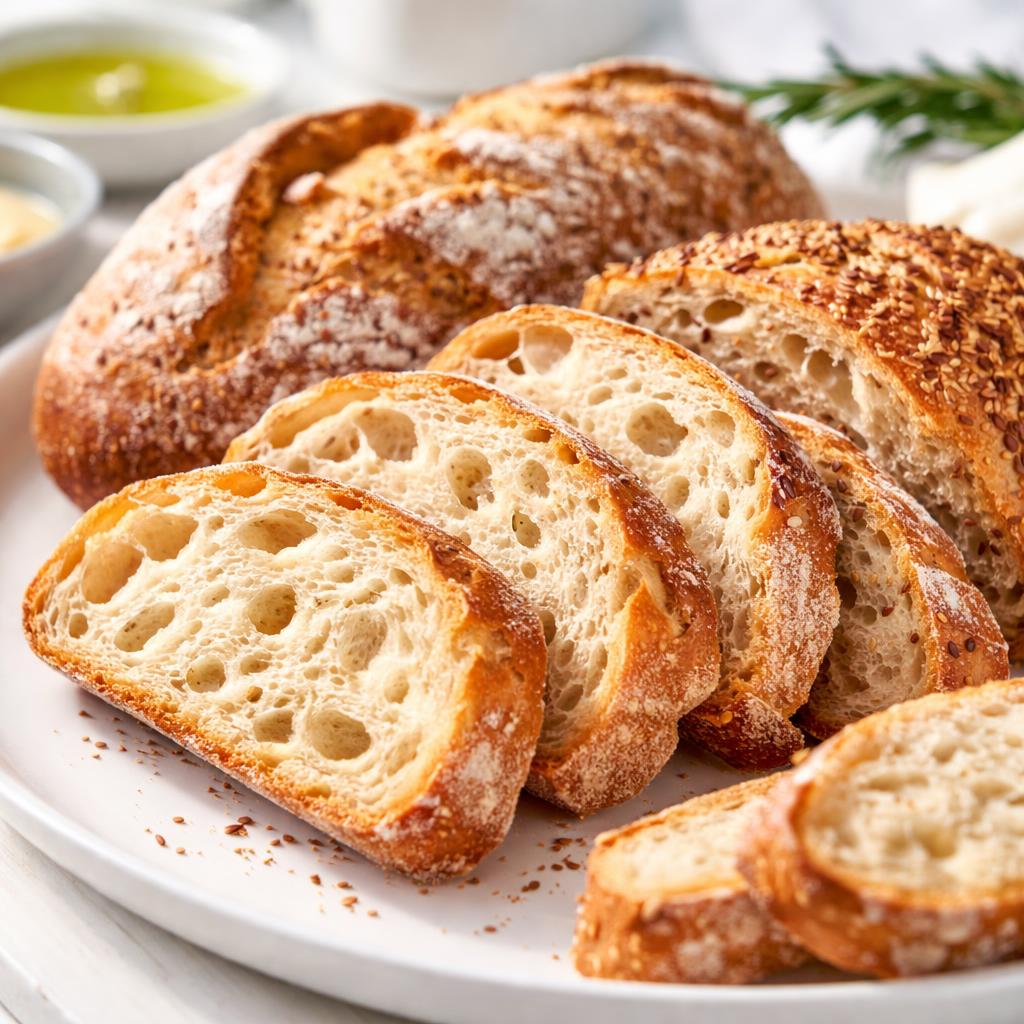
Bread
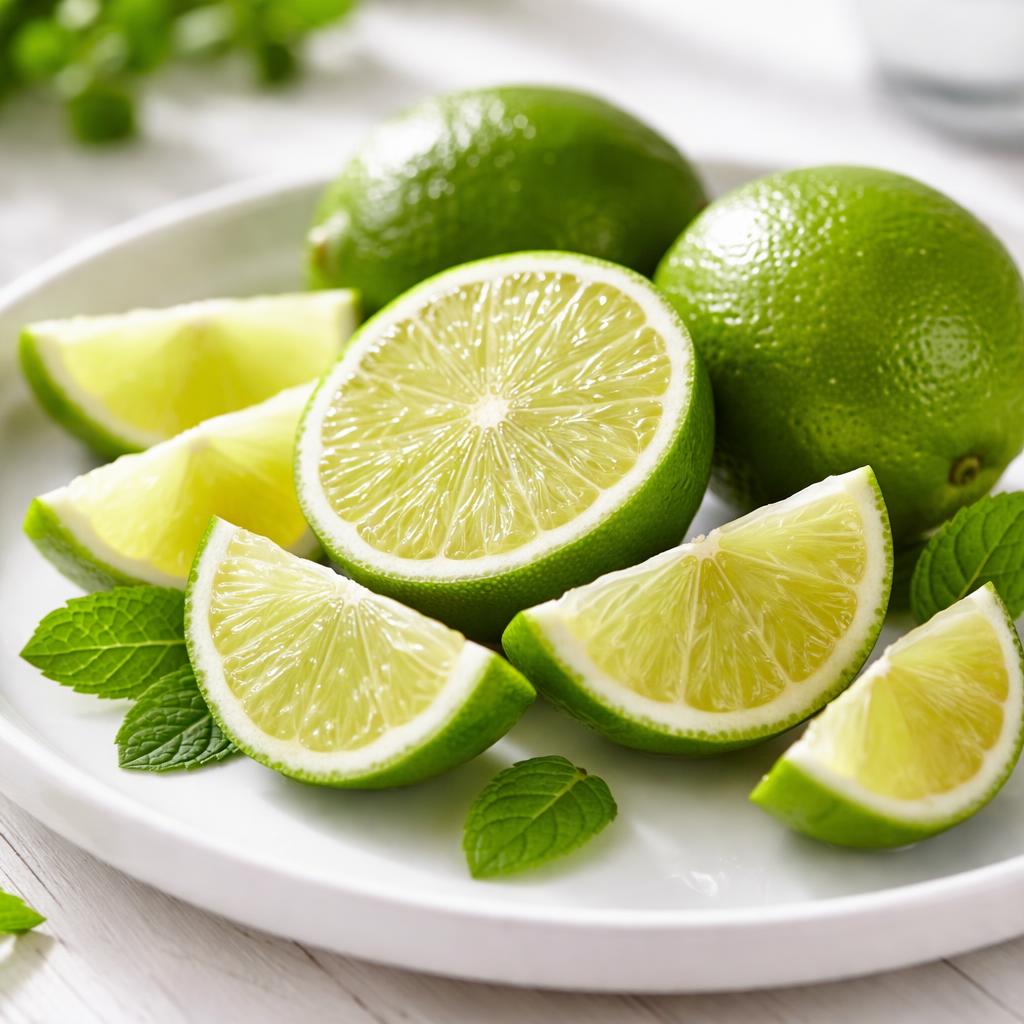
Lime
🎯 Quick Verdict
Bread and lime have distinct nutritional profiles. Bread offers significantly more protein and calories, making it a good option for energy and muscle-building diets. Lime is much lower in calories, higher in fiber, and rich in vitamin C, making it ideal for weight management and immune support. Choose bread for sustenance and lime for light, nutrient-rich boosts or flavoring in meals.

Smart Nutrition Tracking with SnapCalorie

📊 Nutritional Comparison
Macronutrients
| Nutrient | Food 1 | Food 2 | Winner |
|---|---|---|---|
| Calories | 80 per slice (40g) | 20 per whole lime (67g) | − |
| Protein | 2.7g | 0.4g | − |
| Carbs | 14g | 7g | − |
| Fat | 1g | 0.1g | − |
| Fiber | 1g | 2g | − |
Vitamins & Minerals
| Nutrient | Food 1 | Food 2 | Winner |
|---|---|---|---|
| Vitamin C | 0mg | 19mg | − |
| Calcium | 20mg | 22mg | − |
| Iron | 1mg | 0.3mg | − |
🏆 Category Winners
Protein
Bread contains 2.7 grams of protein per serving compared to only 0.4 grams in lime.
Fiber
Lime provides twice as much fiber as bread per serving.
Calories
Lime has only 20 calories per serving, compared to 80 calories in bread.
Vitamins
Lime is rich in vitamin C, which bread lacks completely.
🥗 Diet Compatibility
Keto
Food 1: Not Compatible
Food 2: Compatible
Bread is high in carbs, while lime is low-carb and keto-friendly.
Vegan
Food 1: Compatible
Food 2: Compatible
Both foods are plant-based and suit vegan diets.
Gluten Free
Food 1: Not Compatible
Food 2: Compatible
Bread typically contains gluten unless explicitly labeled gluten-free.
Paleo
Food 1: Not Compatible
Food 2: Compatible
Bread is processed and not considered paleo-friendly, whereas lime is natural and whole-food.
Low-Carb
Food 1: Not Compatible
Food 2: Compatible
Bread is relatively high in carbohydrates, while lime is low in carbs (7g per lime).
💪 Health Benefits Comparison
Food 1 Benefits
- Provides energy from carbs for daily activities
- Contains protein for muscle maintenance
- Good source of iron for oxygen transport in the blood
Food 2 Benefits
- Rich in vitamin C for immune system support
- Low in calories, aiding in weight management
- High in fiber for improved digestion
✅ The Bottom Line
Bread is best for energy, muscle-building diets, and meals requiring a carbohydrate base. Lime shines as a low-calorie, nutrient-rich option that boasts high vitamin C and fiber, ideal for flavor enhancement, immune support, or weight-conscious diets.
Choose Food 1 for: Energy, muscle maintenance, quick meals
Choose Food 2 for: Weight management, immune health, flavoring in recipes


