Bread VS Ham Sandwich
A detailed nutritional comparison

Bread
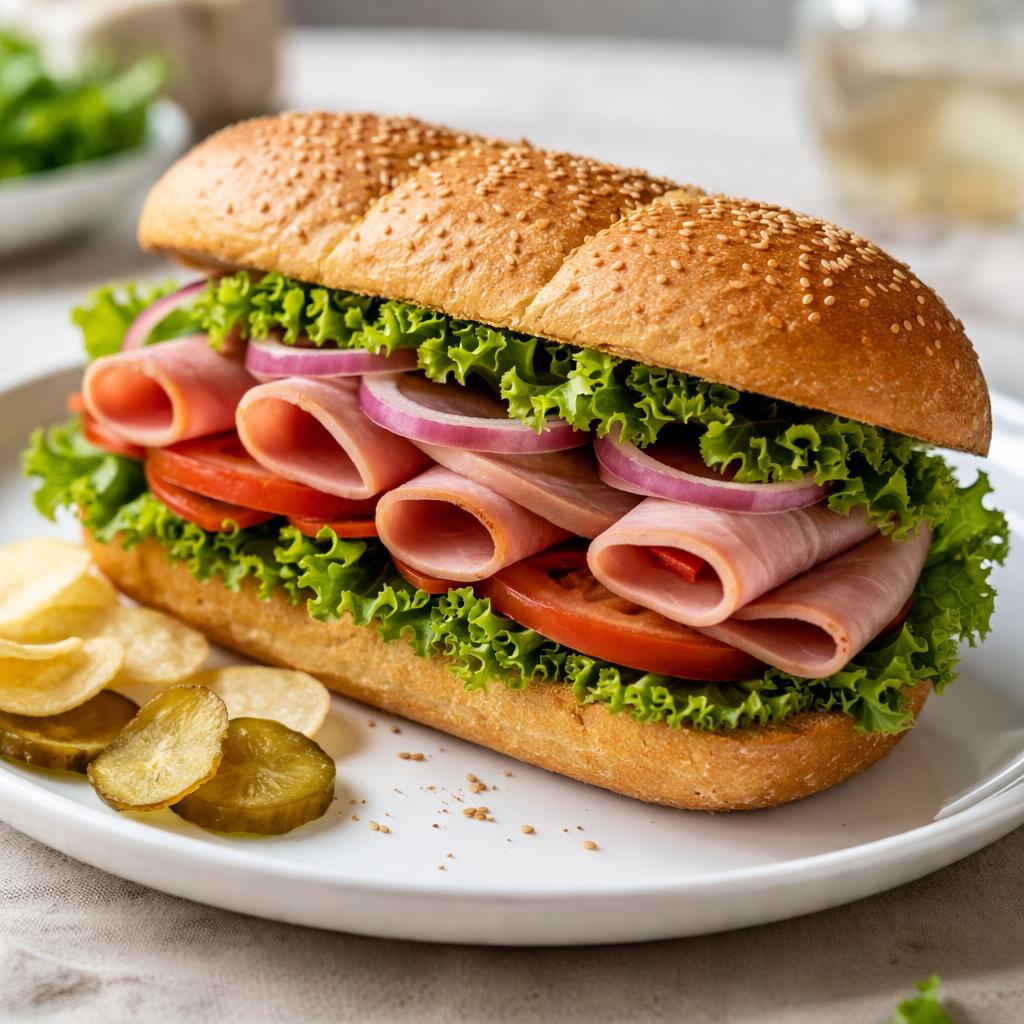
Ham Sandwich
🎯 Quick Verdict
Bread is lower in calories and provides more fiber, whereas the ham sandwich is significantly higher in protein and offers greater nutrient density due to the ham. Bread is better suited for those needing a quick carbohydrate source or looking to limit calories, while the ham sandwich makes for a more balanced and satiating meal option with protein and fat included.

Smart Nutrition Tracking with SnapCalorie

📊 Nutritional Comparison
Macronutrients
| Nutrient | Food 1 | Food 2 | Winner |
|---|---|---|---|
| Calories | 80 (per slice) | 215 | ✓ |
| Protein | 3g | 12g | ✓ |
| Carbs | 15g | 25g | ✓ |
| Fat | 1g | 8g | ✓ |
| Fiber | 2g | 1g | ✓ |
Vitamins & Minerals
| Nutrient | Food 1 | Food 2 | Winner |
|---|---|---|---|
| Vitamin C | 0mg | 2mg | ✓ |
| Calcium | 20mg | 150mg | ✓ |
| Iron | 0.6mg | 1.2mg | ✓ |
🏆 Category Winners
Protein
The ham sandwich provides 4x more protein, making it ideal for muscle repair and satiety.
Fiber
Bread contains double the fiber, supporting digestion and gut health.
Calories
Bread is less calorie-dense, suitable for those tracking calorie intake.
Vitamins
Ham sandwich includes more vitamins like Vitamin C, calcium, and iron due to the protein content and additions.
🥗 Diet Compatibility
Keto
Food 1: Not Compatible
Food 2: Not Compatible
Both are high-carb options.
Vegan
Food 1: Compatible
Food 2: Not Compatible
Bread is plant-based, whereas ham sandwich contains animal products.
Gluten Free
Food 1: Not Compatible
Food 2: Not Compatible
Both contain gluten unless gluten-free bread is used.
Paleo
Food 1: Not Compatible
Food 2: Not Compatible
Bread and ham are not paleo-compliant due to grains and processed meats.
Low-Carb
Food 1: Not Compatible
Food 2: Not Compatible
Both are higher in carbohydrates.
💪 Health Benefits Comparison
Food 1 Benefits
- Provides quick energy through carbohydrates
- Contains some fiber for digestive health
- Low in fat, making it suitable for low-fat diets
Food 2 Benefits
- High in protein to support muscle repair
- Includes key vitamins and minerals like calcium and iron
- Satiating meal option due to the balance of macros
✅ The Bottom Line
Choose bread for a low-calorie, quick energy source or as a base for creative, lighter meals. Opt for the ham sandwich if seeking a complete, nutrient-dense meal with higher protein to sustain hunger and support muscle repair.
Choose Food 1 for: Light snacks, low-calorie diets, quick energy
Choose Food 2 for: Balanced meals, high-protein diets, muscle recovery


