Bread VS Fruit
A detailed nutritional comparison
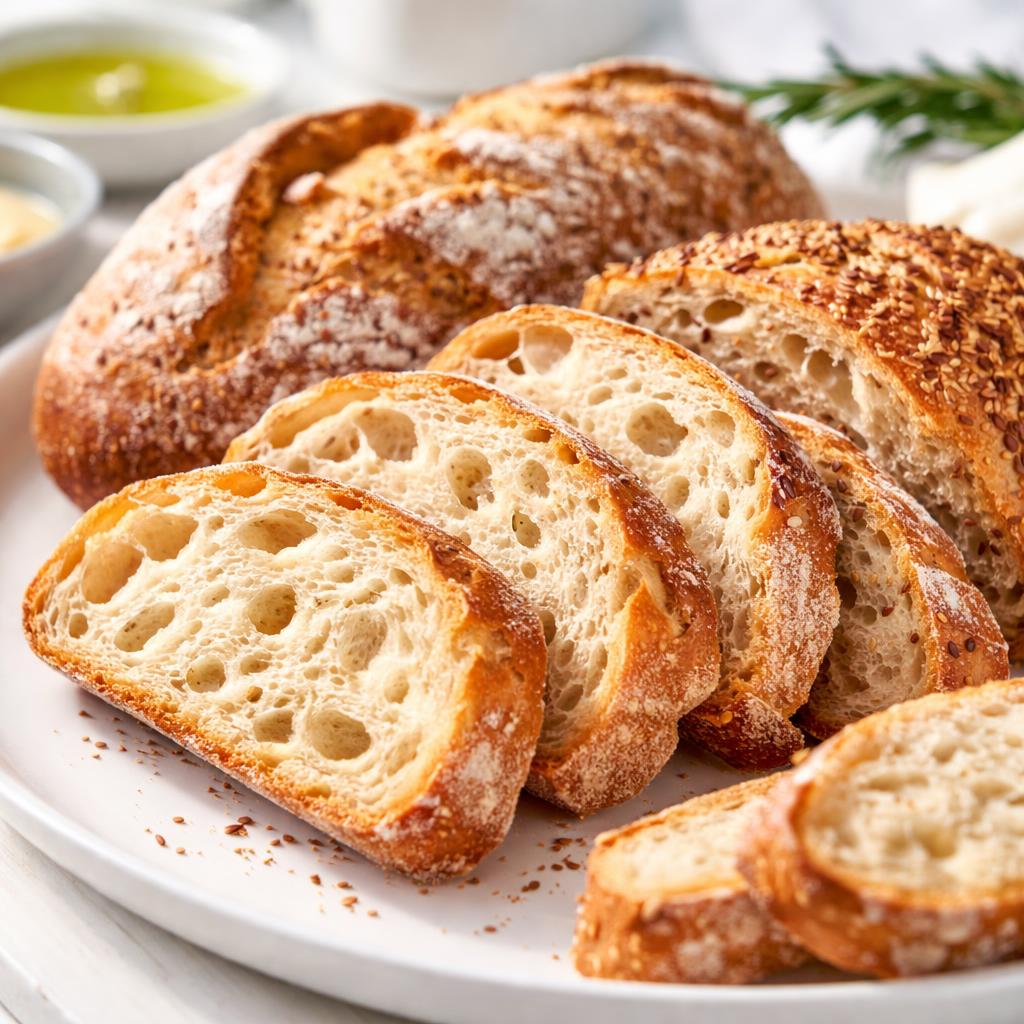
Bread
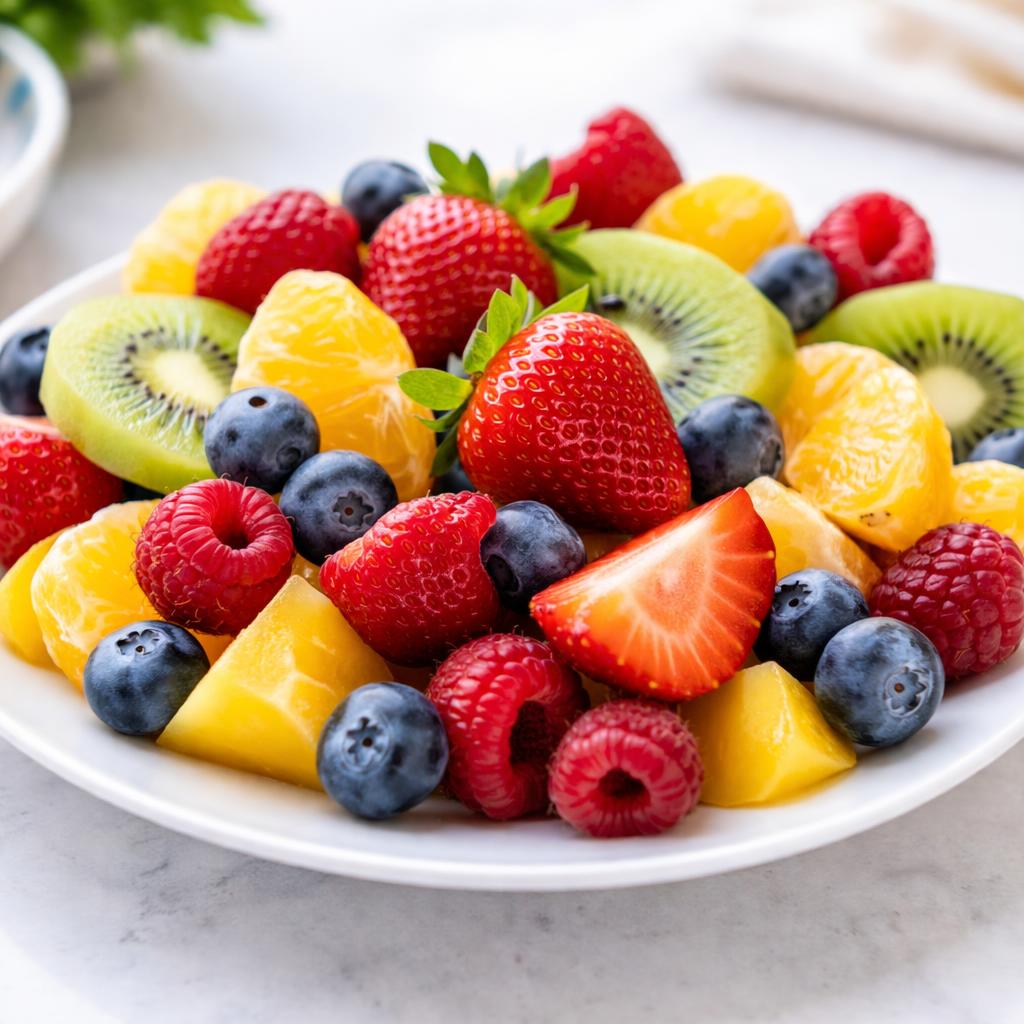
Fruit
🎯 Quick Verdict
Bread and fruit differ significantly in nutritional makeup. Bread is higher in protein and carbohydrates, making it ideal for energy and muscle maintenance, while fruit is lower in calories and packed with fiber and antioxidants. Bread suits energy-demanding meals, whereas fruit excels as a nutrient-dense, low-calorie snack.

Smart Nutrition Tracking with SnapCalorie

📊 Nutritional Comparison
Macronutrients
| Nutrient | Food 1 | Food 2 | Winner |
|---|---|---|---|
| Calories | 80 (per slice) | 60 (average fruit serving) | ✓ |
| Protein | 4g | 0.5g | ✓ |
| Carbs | 15g | 12g | ✓ |
| Fat | 1g | 0.2g | ✓ |
| Fiber | 1g | 3g | ✓ |
Vitamins & Minerals
| Nutrient | Food 1 | Food 2 | Winner |
|---|---|---|---|
| Vitamin C | 0mg | 60mg (organic oranges example) | ✓ |
| Potassium | 75mg | 200mg | ✓ |
| Iron | 0.5mg | 0.2mg | ✓ |
🏆 Category Winners
Protein
Bread provides significantly more protein per serving compared to fruit.
Fiber
Fruit delivers triple the fiber content compared to bread.
Calories
Fruit offers fewer calories per serving, making it more calorie-friendly overall.
Vitamins
Fruit is rich in vitamin C and potassium, unlike bread.
🥗 Diet Compatibility
Keto
Food 1: Not Compatible
Food 2: Generally Not Compatible
Both are high-carb but fruit is lower in carbs overall.
Vegan
Food 1: Compatible
Food 2: Compatible
Both are plant-based foods.
Gluten Free
Food 1: Not Compatible
Food 2: Compatible
Bread typically contains gluten, fruit does not.
Paleo
Food 1: Not Compatible
Food 2: Compatible
Fruit aligns with paleo guidelines, bread does not.
Low Carb
Food 1: Not Compatible
Food 2: Compatible (mostly)
While fruit is lower in carbs than bread, it still contains natural sugars.
💪 Health Benefits Comparison
Food 1 Benefits
- Provides energy from complex carbohydrates
- Contains some protein for muscle maintenance
- Fills you up quickly, great for meal-based satiety
Food 2 Benefits
- Rich source of dietary fiber for digestion
- Packed with antioxidants for reducing inflammation
- Low calorie, nutrient-dense for weight management
- Rich in natural sugars and vitamins for healthy energy
✅ The Bottom Line
Choose bread if you need a filling, higher-protein, energy-packed food to complement a meal. Opt for fruit as a nutrient-rich, low-calorie snack to boost fiber, vitamins, and antioxidants. Both have distinct uses in a balanced diet.
Choose Food 1 for: Energy-demanding activities, post-workout sandwiches, or sustaining meals.
Choose Food 2 for: Healthy snacks, weight management, improving digestion, and boosting immunity.


