Bread VS French Toast
A detailed nutritional comparison
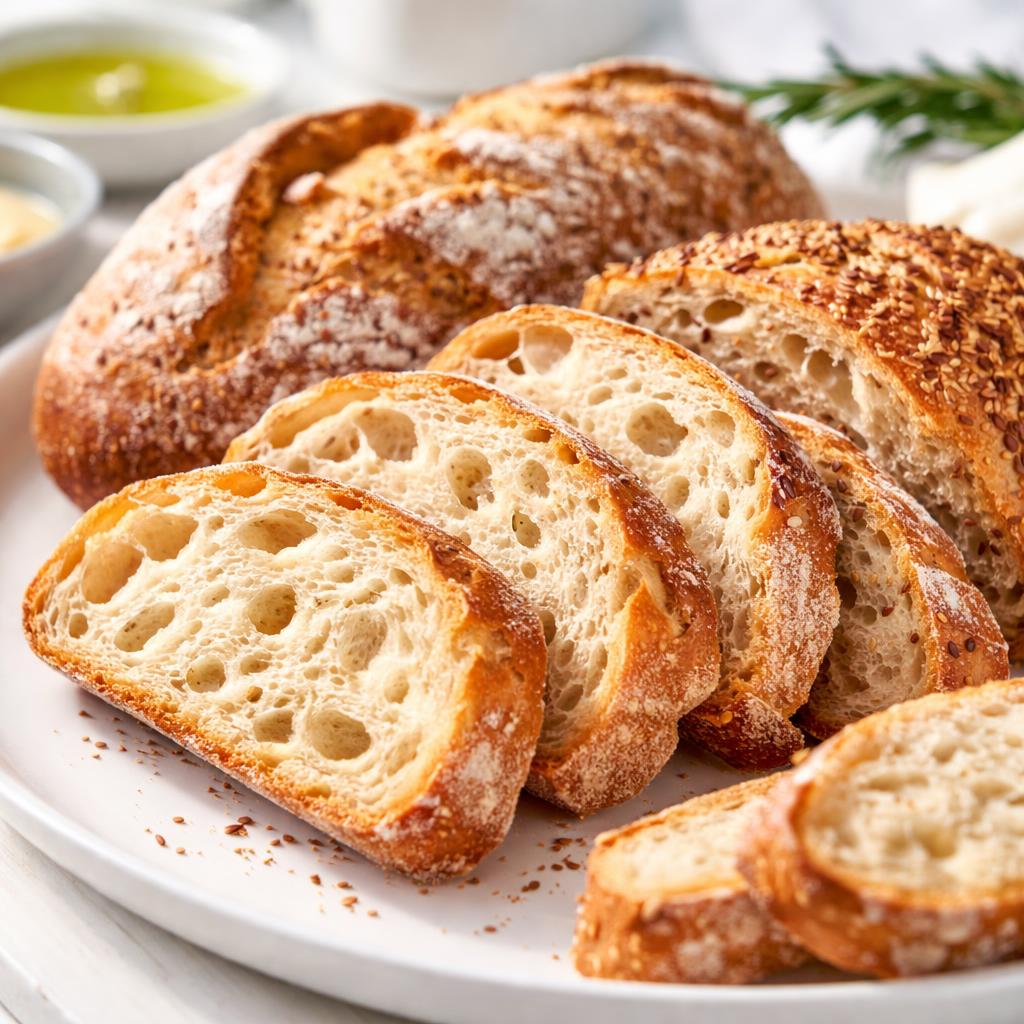
Bread
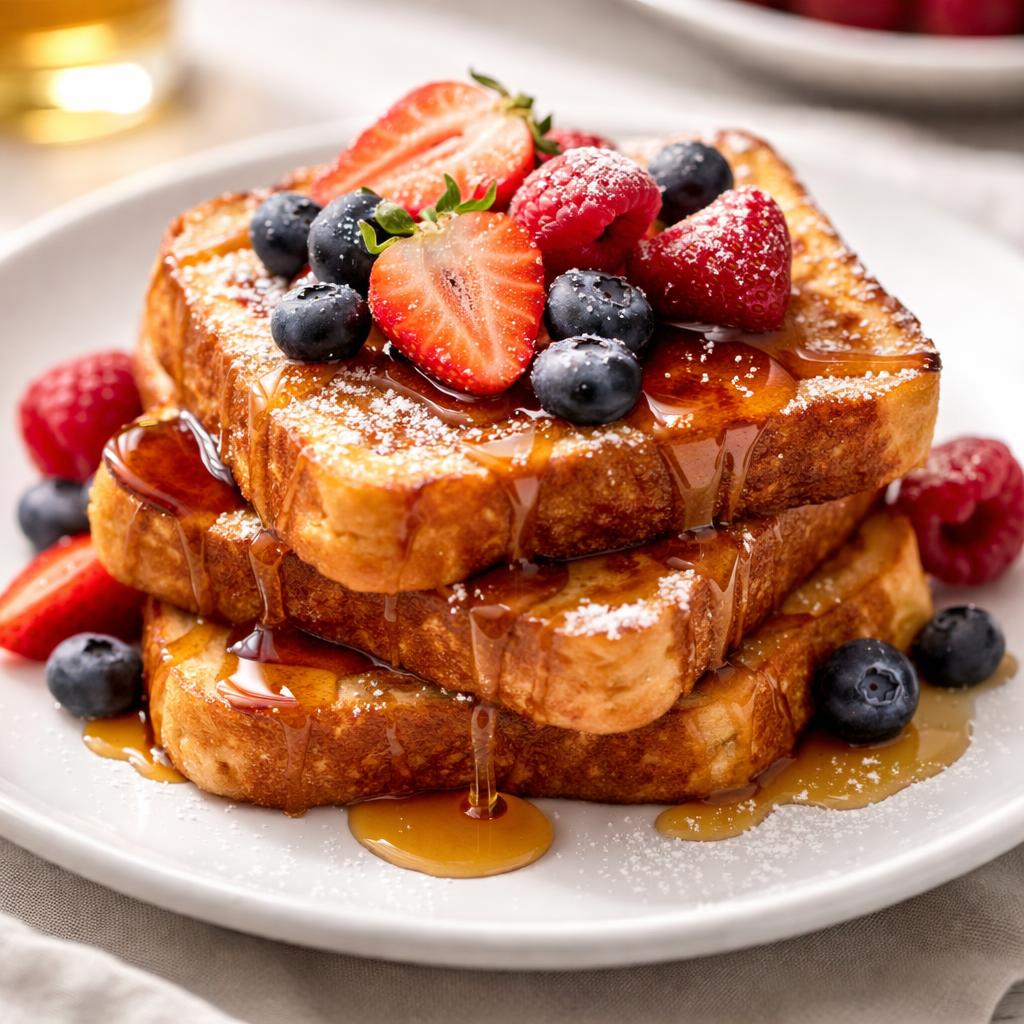
French Toast
🎯 Quick Verdict
French toast is higher in protein and richer in certain vitamins and minerals due to the inclusion of eggs, milk, and sometimes syrup or spices. Regular bread, however, is lower in calories and provides slightly more dietary fiber, making it better suited for calorie-conscious diets or adding bulk to meals. Both have distinct culinary applications and dietary benefits, depending on nutritional priorities.

Smart Nutrition Tracking with SnapCalorie

📊 Nutritional Comparison
Macronutrients
| Nutrient | Food 1 | Food 2 | Winner |
|---|---|---|---|
| Calories | 80 per slice | 160 per slice | ✓ |
| Protein | 3g per slice | 7g per slice | ✓ |
| Carbs | 15g per slice | 20g per slice | ✓ |
| Fat | 1g per slice | 6g per slice | ✓ |
| Fiber | 1g per slice | 0.5g per slice | ✓ |
Vitamins & Minerals
| Nutrient | Food 1 | Food 2 | Winner |
|---|---|---|---|
| Vitamin D | 0mcg | 1mcg | ✓ |
| Calcium | 80mg | 125mg | ✓ |
| Iron | 0.7mg | 1.2mg | ✓ |
| B Vitamins (e.g., B12) | Minimal | Rich due to eggs and milk | ✓ |
🏆 Category Winners
Protein
French toast provides over twice the protein per slice due to eggs and milk content.
Fiber
Bread contains 100% more dietary fiber per serving, aiding in digestion.
Calories
Bread has 50% fewer calories per slice than french toast.
Vitamins
French toast is richer in Vitamin D, B Vitamins, calcium, and iron, thanks to additional ingredients.
🥗 Diet Compatibility
Keto
Food 1: Not Compatible
Food 2: Not Compatible
Both are high in carbs and unsuitable for keto diets.
Vegan
Food 1: Compatible
Food 2: Not Compatible
Bread can be plant-based, but french toast contains eggs and milk.
Gluten Free
Food 1: Not Compatible
Food 2: Not Compatible
Regular bread and french toast contain gluten unless made with gluten-free options.
Paleo
Food 1: Not Compatible
Food 2: Not Compatible
Both are grain-based and excluded from paleo diets.
Low-Carb
Food 1: Not Compatible
Food 2: Not Compatible
Both are relatively high in carbohydrates, exceeding low-carb thresholds.
💪 Health Benefits Comparison
Food 1 Benefits
- Lower in calories for weight management
- Good source of carbohydrates for energy
- Provides dietary fiber for digestive health
Food 2 Benefits
- High-protein content supports muscle growth and repair
- Rich in calcium and Vitamin D for bone health
- Contains essential B vitamins for energy metabolism
✅ The Bottom Line
Bread is better for weight-conscious or high-fiber diets, while french toast offers greater protein, vitamins, and mineral content, making it ideal for post-workout recovery or nutrient-rich breakfasts. The choice depends on dietary goals and meal context.
Choose Food 1 for: Low-calorie diets, fiber-rich meals, versatile sandwiches
Choose Food 2 for: Protein-rich breakfasts, nutrient-dense meals, energy refueling


