Bread VS Dry Pasta
A detailed nutritional comparison
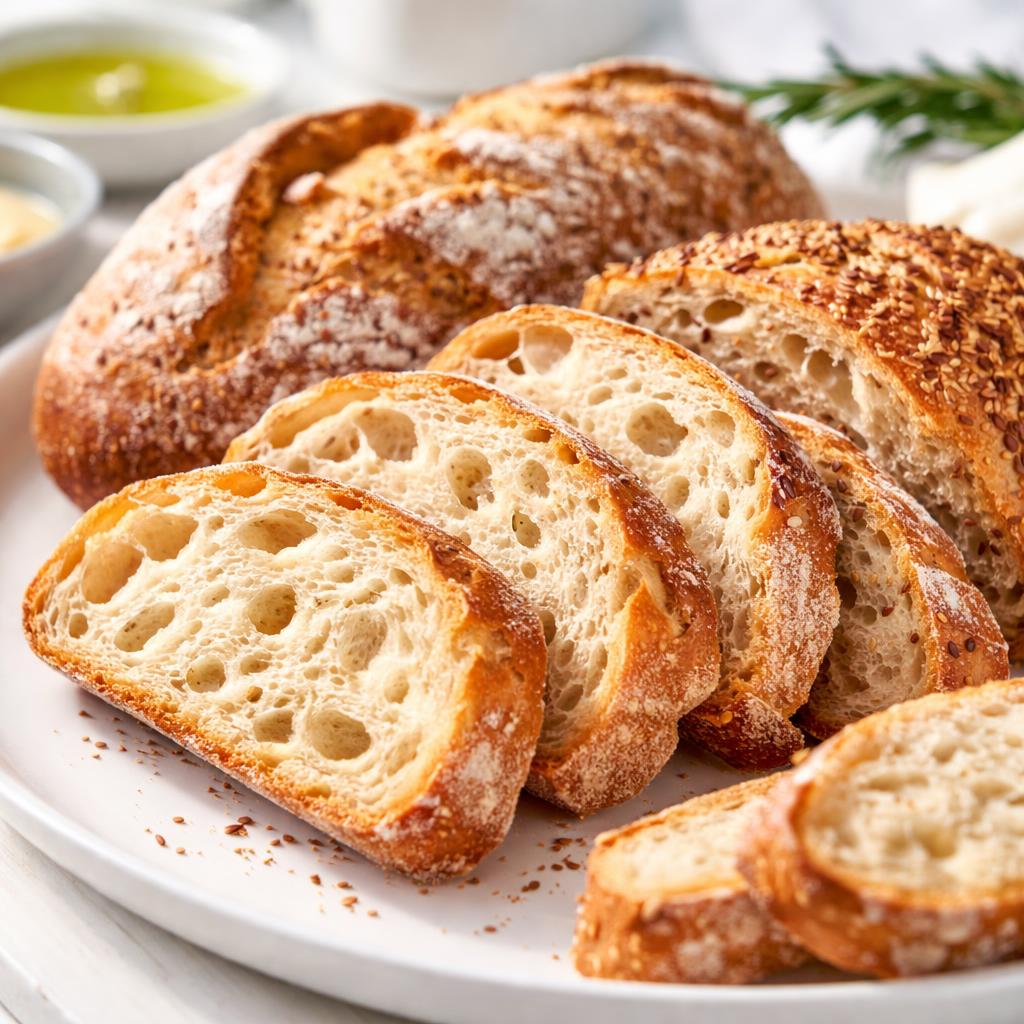
Bread
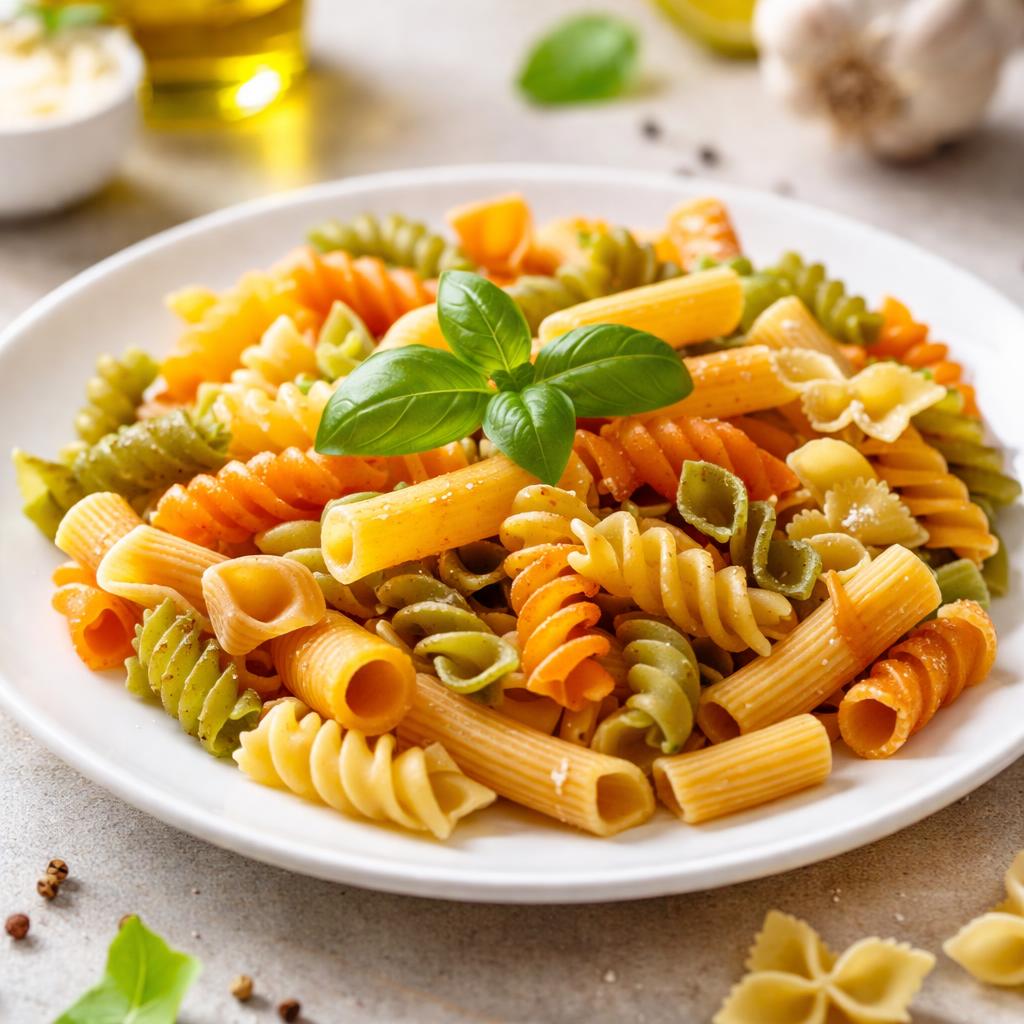
Dry Pasta
🎯 Quick Verdict
Bread is lower in calories and higher in fiber, making it a good option for calorie-conscious diets and digestive health. Dry pasta, on the other hand, provides more protein per serving, which is beneficial for muscle maintenance and growth. Both foods are versatile and fulfill different carbohydrate needs depending on your meal plan and dietary goals.

Smart Nutrition Tracking with SnapCalorie

📊 Nutritional Comparison
Macronutrients
| Nutrient | Food 1 | Food 2 | Winner |
|---|---|---|---|
| Calories | 265 kcal (per 100g) | 370 kcal (per 100g) | ✓ |
| Protein | 9g (per 100g) | 13g (per 100g) | ✓ |
| Carbs | 49g (per 100g) | 74g (per 100g) | ✓ |
| Fat | 4g (per 100g) | 1.5g (per 100g) | ✓ |
| Fiber | 2.7g (per 100g) | 2g (per 100g) | ✓ |
Vitamins & Minerals
| Nutrient | Food 1 | Food 2 | Winner |
|---|---|---|---|
| Vitamin B1 (Thiamine) | 0.4mg (per 100g) | 0.5mg (per 100g) | ✓ |
| Folate (Vitamin B9) | 25mcg (per 100g) | 20mcg (per 100g) | ✓ |
| Calcium | 70mg (per 100g) | 17mg (per 100g) | ✓ |
| Iron | 2.5mg (per 100g) | 1.3mg (per 100g) | ✓ |
🏆 Category Winners
Protein
Dry pasta has 44% more protein per serving compared to bread.
Fiber
Bread has 35% more dietary fiber content per serving.
Calories
Bread has 28% fewer calories per serving compared to dry pasta.
Vitamins
Bread is richer in calcium, iron, and folate, making it better for bone health and nutrient density overall.
🥗 Diet Compatibility
Keto
Food 1: Not Compatible
Food 2: Not Compatible
Both are high in carbs and not suitable for keto diets.
Vegan
Food 1: Compatible
Food 2: Compatible
Both foods are plant-based and do not contain animal products.
Gluten Free
Food 1: Not Compatible
Food 2: Not Compatible
Both contain gluten unless specific gluten-free versions are purchased.
Paleo
Food 1: Not Compatible
Food 2: Not Compatible
Neither grain-based bread nor dry pasta fits within paleo guidelines which avoid processed grains.
Low-Carb
Food 1: Not Compatible
Food 2: Not Compatible
Both foods are high in carbohydrates and not ideal for low-carb diets.
💪 Health Benefits Comparison
Food 1 Benefits
- Lower in calories, supporting weight management
- Moderate fiber content aids digestion and bowel health
- Rich in calcium, supporting strong bones and teeth
- Provides iron which is essential for healthy blood function
Food 2 Benefits
- Higher protein content assists in muscle repair and growth
- Low in fat, making it an option for heart-healthy diets
- Contains vitamin B1 for energy metabolism
- Versatile ingredient for sustained energy and longer workouts
✅ The Bottom Line
Choose bread if you are aiming for lower calorie intake, more fiber, or bread-based meals like sandwiches or toast. Opt for dry pasta when prioritizing higher protein for muscle health or preparing complex carbohydrate meals for sustained energy. Both can fit into a balanced diet depending on your specific goals and meal plans.
Choose Food 1 for: Low-calorie diets, digestion support, sandwiches, quick meals
Choose Food 2 for: Muscle maintenance, sustained energy, complex meals like pasta dishes


