Bread VS Dipping Sauce
A detailed nutritional comparison
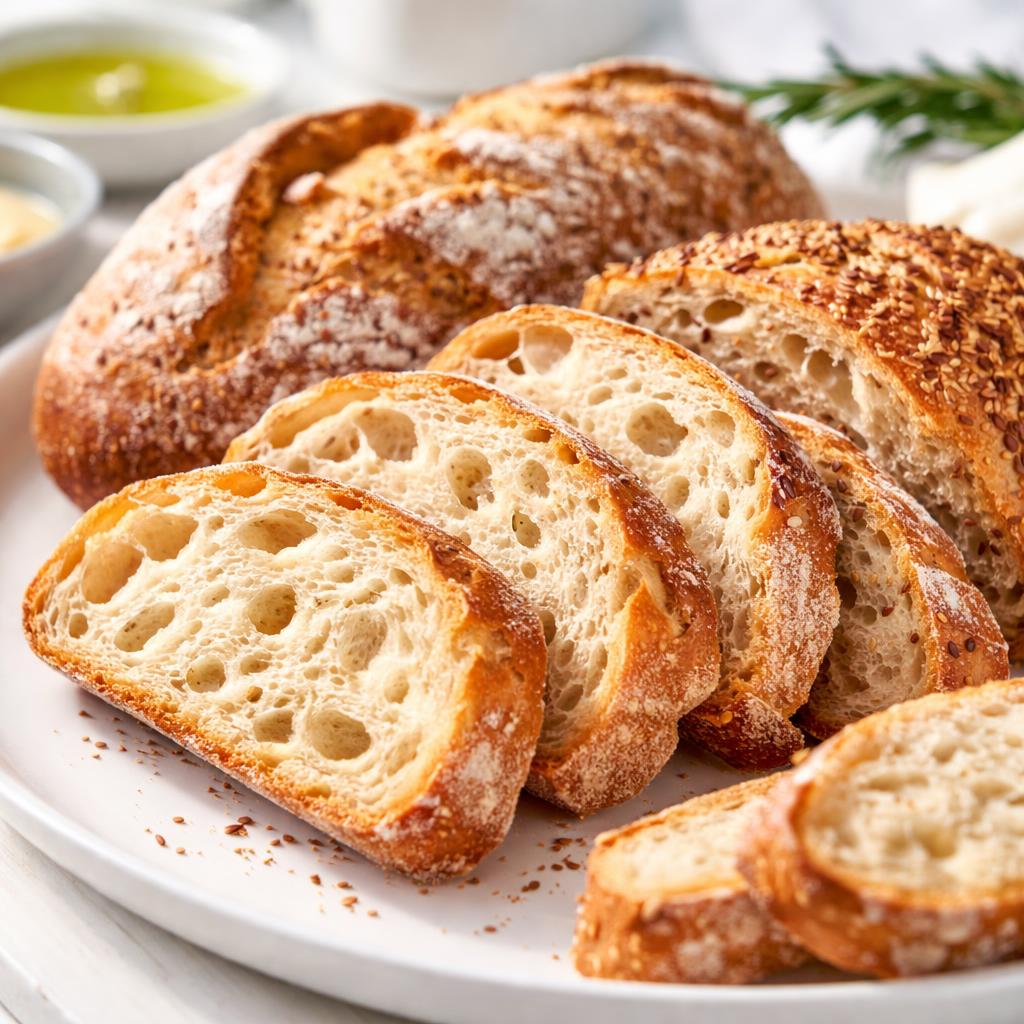
Bread
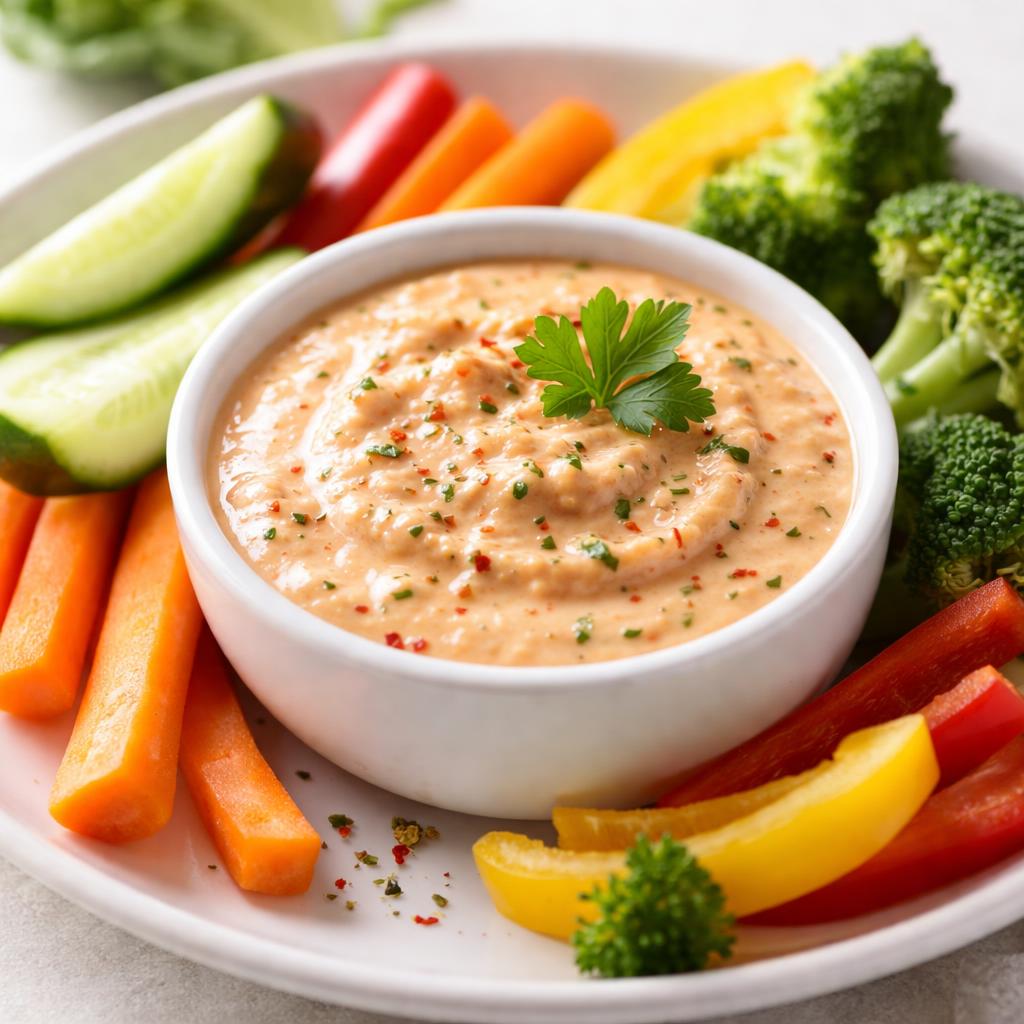
Dipping Sauce
🎯 Quick Verdict
Bread (Food 1) is superior for general nutrition, providing more protein, fiber, and vitamins such as calcium and iron, but it is higher in calories and carbs. Dipping sauce (Food 2) is lower in calories but lacks macronutrients and essential vitamins, making it more of a condiment than a primary food source. Bread is ideal as a dietary staple, while dipping sauce is best used in moderation for flavor enhancement.

Smart Nutrition Tracking with SnapCalorie

📊 Nutritional Comparison
Macronutrients
| Nutrient | Food 1 | Food 2 | Winner |
|---|---|---|---|
| Calories | 80 (per slice) | 50 (2 tbsp) | ✓ |
| Protein | 3g | 0.5g | ✓ |
| Carbs | 15g | 2g | ✓ |
| Fat | 1g | 4g | ✓ |
| Fiber | 1g | 0g | ✓ |
Vitamins & Minerals
| Nutrient | Food 1 | Food 2 | Winner |
|---|---|---|---|
| Vitamin D | 0mcg | 0mcg | − |
| Calcium | 25mg | 5mg | ✓ |
| Iron | 0.5mg | 0mg | ✓ |
🏆 Category Winners
Protein
Bread contains 500% more protein per serving compared to dipping sauce.
Fiber
Bread has 1g of fiber per serving, while dipping sauce contains none.
Calories
Dipping sauce has 38% fewer calories per serving than bread.
🥗 Diet Compatibility
Keto
Food 1: Not Compatible
Food 2: Compatible
Bread is high in carbs, while dipping sauce is low-carb.
Vegan
Food 1: Compatible
Food 2: Compatible
Both products are plant-based without animal-derived ingredients.
Gluten Free
Food 1: Not Compatible
Food 2: Compatible
Bread typically contains gluten unless labeled gluten-free.
Paleo
Food 1: Not Compatible
Food 2: Compatible
Bread is grain-based, which is excluded in paleo diets.
Low-Carb
Food 1: Not Compatible
Food 2: Compatible
Bread is high in carbs, while dipping sauce is suitable for low-carb diets.
💪 Health Benefits Comparison
Food 1 Benefits
- Good source of energy from carbohydrates.
- Provides protein for muscle maintenance.
- Contains small amounts of iron and calcium for bone and blood health.
Food 2 Benefits
- Lower in calories, suitable for weight management.
- Contains healthy fats to support heart health (depending on the sauce).
- Adds flavor to meals with minimal impact on nutrition.
✅ The Bottom Line
Bread is a nutritious food staple, offering protein, fiber, and essential nutrients for daily energy and satiety. Dipping sauce is lower-calorie and useful for enhancing the taste of meals but lacks significant nutritional contributions. Bread is best for a filling base in meals, while dipping sauce serves as an occasional condiment in moderation.
Choose Food 1 for: Daily energy, high-protein diets, sandwiches or toast meals
Choose Food 2 for: Flavor enhancement, low-calorie diets, heart-friendly sauces


