Bread VS Date
A detailed nutritional comparison
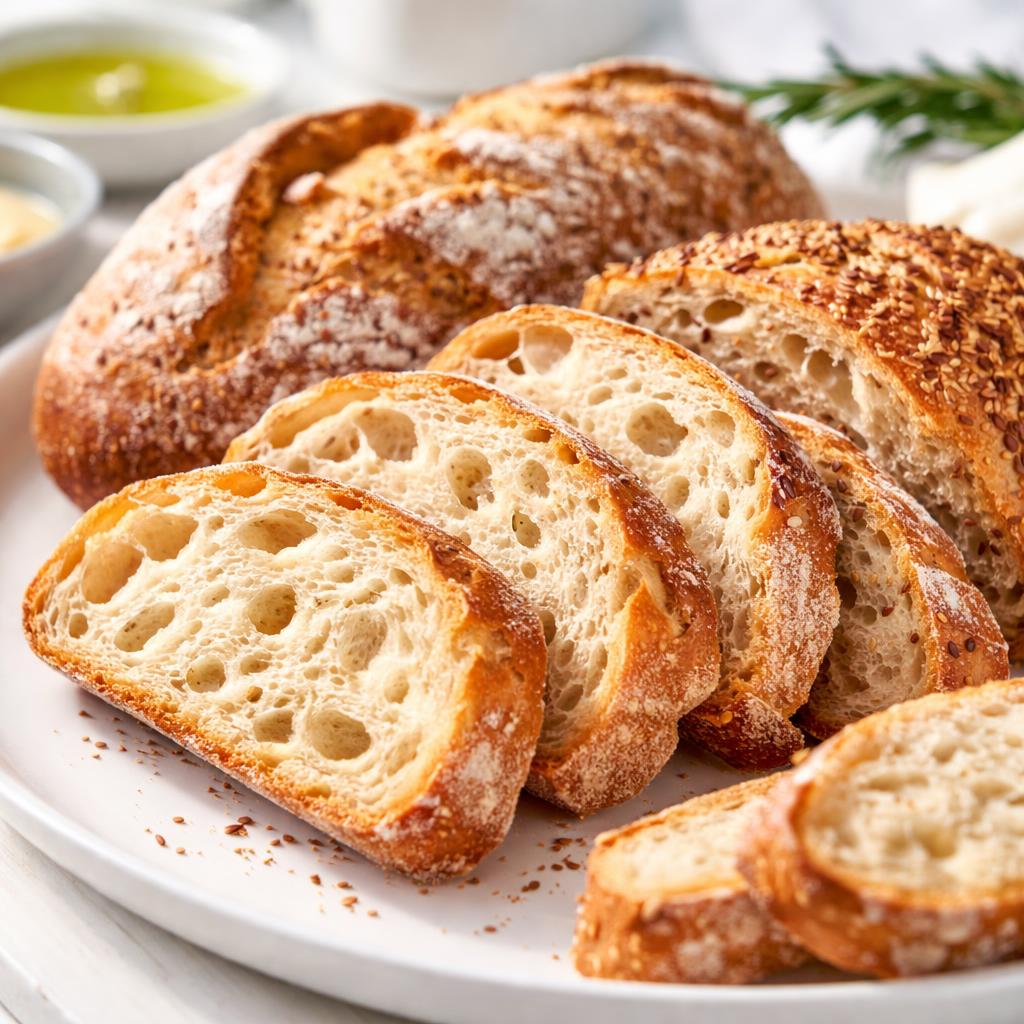
Bread
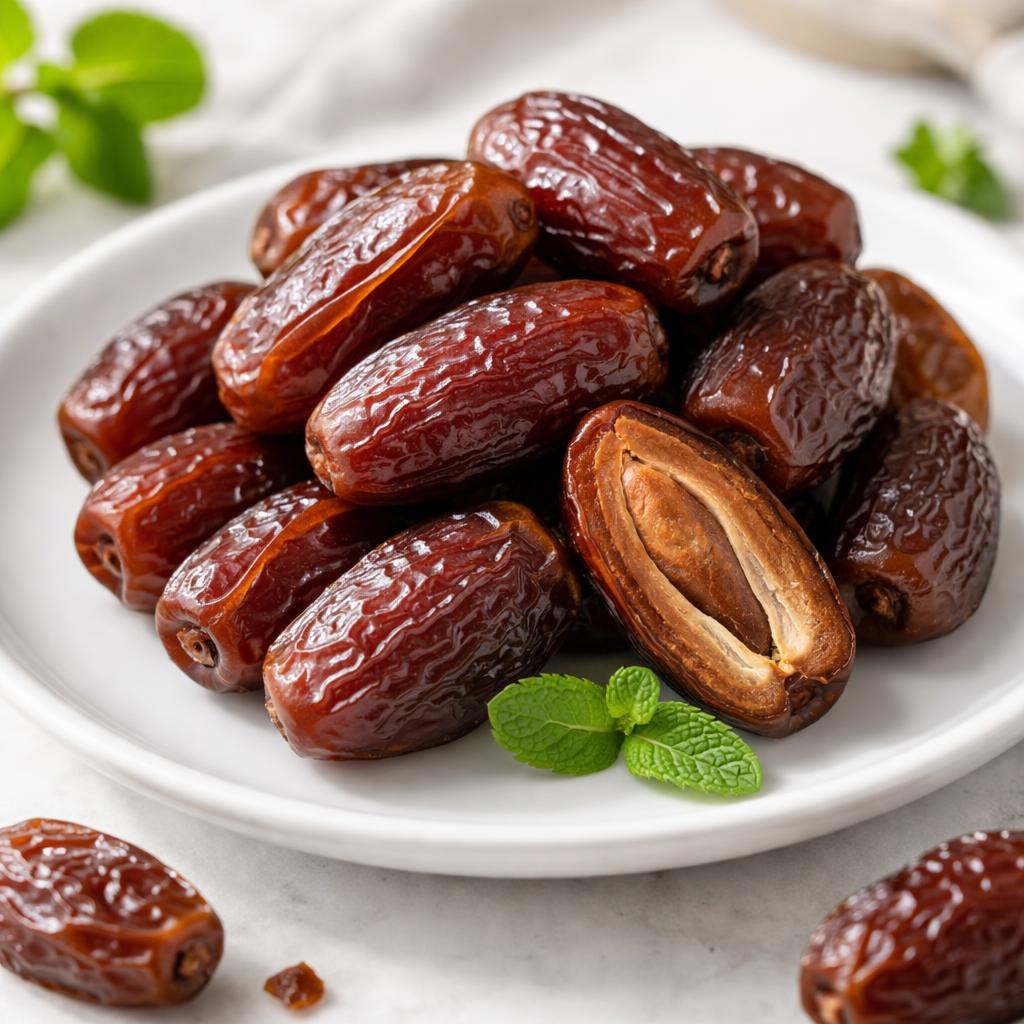
Date
🎯 Quick Verdict
Bread is more protein-packed and lower in calories, making it a lighter option for diets focused on weight management or muscle retention. Dates, on the other hand, are high in natural sugars, fiber, and antioxidants, ideal for quick energy boosts or digestive health benefits.

Smart Nutrition Tracking with SnapCalorie

📊 Nutritional Comparison
Macronutrients
| Nutrient | Food 1 | Food 2 | Winner |
|---|---|---|---|
| Calories | 80 per slice | 277 per 100g | ✓ |
| Protein | 3g per slice | 1.8g per 100g | ✓ |
| Carbs | 15g per slice | 75g per 100g | ✓ |
| Fat | 1g per slice | 0.2g per 100g | ✓ |
| Fiber | 1g per slice | 7g per 100g | ✓ |
Vitamins & Minerals
| Nutrient | Food 1 | Food 2 | Winner |
|---|---|---|---|
| Vitamin D | 0mcg | 0mcg | − |
| Calcium | 28mg per slice | 15mg per 100g | ✓ |
| Iron | 0.8mg per slice | 0.9mg per 100g | ✓ |
| Potassium | 35mg per slice | 696mg per 100g | ✓ |
🏆 Category Winners
Protein
Bread offers nearly double the protein compared to dates.
Fiber
Dates contain seven times more fiber than bread.
Calories
Bread is significantly lower in calories per serving.
Vitamins
Dates excel in potassium and other micronutrients.
🥗 Diet Compatibility
Keto
Food 1: Not Compatible
Food 2: Not Compatible
Both are high in carbs, unsuitable for ketogenic diets.
Vegan
Food 1: Compatible
Food 2: Compatible
Both foods are plant-based.
Gluten Free
Food 1: Not Compatible
Food 2: Compatible
Bread typically contains gluten, whereas dates are naturally gluten-free.
Paleo
Food 1: Not Compatible
Food 2: Compatible
Dates align with paleo principles while bread does not.
Low-Carb
Food 1: Not Compatible
Food 2: Not Compatible
Both options are relatively high in carbohydrates.
💪 Health Benefits Comparison
Food 1 Benefits
- Moderate protein for muscle maintenance
- Low in calories for weight control
- Provides quick energy due to digestible carbs
Food 2 Benefits
- High in fiber for improved digestion
- Rich in potassium for blood pressure regulation
- Offers natural sugars for sustained energy
✅ The Bottom Line
Bread is an excellent option for those seeking a lower-calorie and higher-protein food, particularly for weight management or muscle maintenance. Dates, however, provide superior fiber and potassium, making them a great choice for those prioritizing digestion or an energy boost.
Choose Food 1 for: Weight control, moderate protein intake, light meals
Choose Food 2 for: Energy boosting, digestive health, nutrient density


