Bread VS Cream
A detailed nutritional comparison

Bread
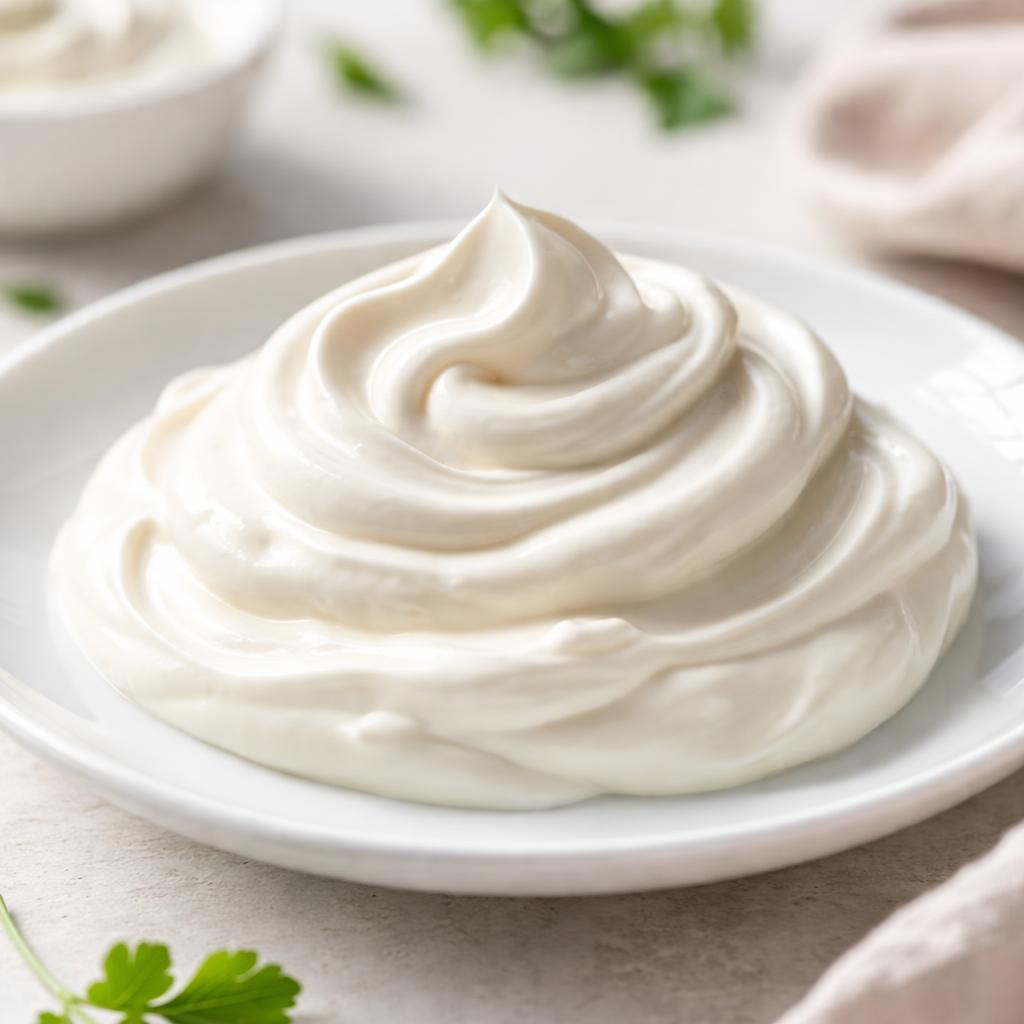
Cream
🎯 Quick Verdict
Bread is generally lower in calories, higher in protein, and provides more fiber compared to cream, making it a better choice for weight management and digestive health. On the other hand, cream is calorie-dense and rich in healthy fats, which may be suitable for energy-dense diets or keto meal plans aimed at maintaining energy levels and heart health. Both foods serve different dietary purposes based on individual needs.

Smart Nutrition Tracking with SnapCalorie

📊 Nutritional Comparison
Macronutrients
| Nutrient | Food 1 | Food 2 | Winner |
|---|---|---|---|
| Calories | − | ||
| Protein | − | ||
| Carbs | − | ||
| Fat | − | ||
| Fiber | − |
Vitamins & Minerals
| Nutrient | Food 1 | Food 2 | Winner |
|---|---|---|---|
| Vitamin D | − | ||
| Calcium | − | ||
| Iron | − |
🏆 Category Winners
Protein
Bread provides six times more protein per serving than cream.
Fiber
Bread is significantly higher with 2g of fiber per slice while cream provides none.
Calories
Bread has fewer calories per serving compared to cream, which is calorie-dense.
Vitamins
Bread provides slightly more iron and calcium, while cream contributes vitamin D.
🥗 Diet Compatibility
Keto
Food 1: Unknown
Food 2: Unknown
Cream is high-fat and low-carb, fitting a keto diet, whereas bread is carb-heavy.
Vegan
Food 1: Unknown
Food 2: Unknown
Bread can be vegan when made without dairy or eggs; cream is animal-derived.
Gluten Free
Food 1: Unknown
Food 2: Unknown
Most bread contains gluten unless specifically gluten-free, whereas cream is naturally gluten-free.
Paleo
Food 1: Unknown
Food 2: Unknown
Cream aligns with the paleo diet, whereas bread does not due to its grain content.
Low-Carb
Food 1: Unknown
Food 2: Unknown
Bread contains high carbs, whereas cream is low-carb, making it suitable for this diet.
💪 Health Benefits Comparison
Food 1 Benefits
Food 2 Benefits
✅ The Bottom Line
Choose bread if you need a lower-calorie, fiber-rich food ideal for weight management and general health. Cream works better for high-fat diets like keto and paleo, or for adding extra creaminess and calories to recipes. Both can be part of a balanced diet depending on dietary goals.


