Bread VS Country Split Bread
A detailed nutritional comparison
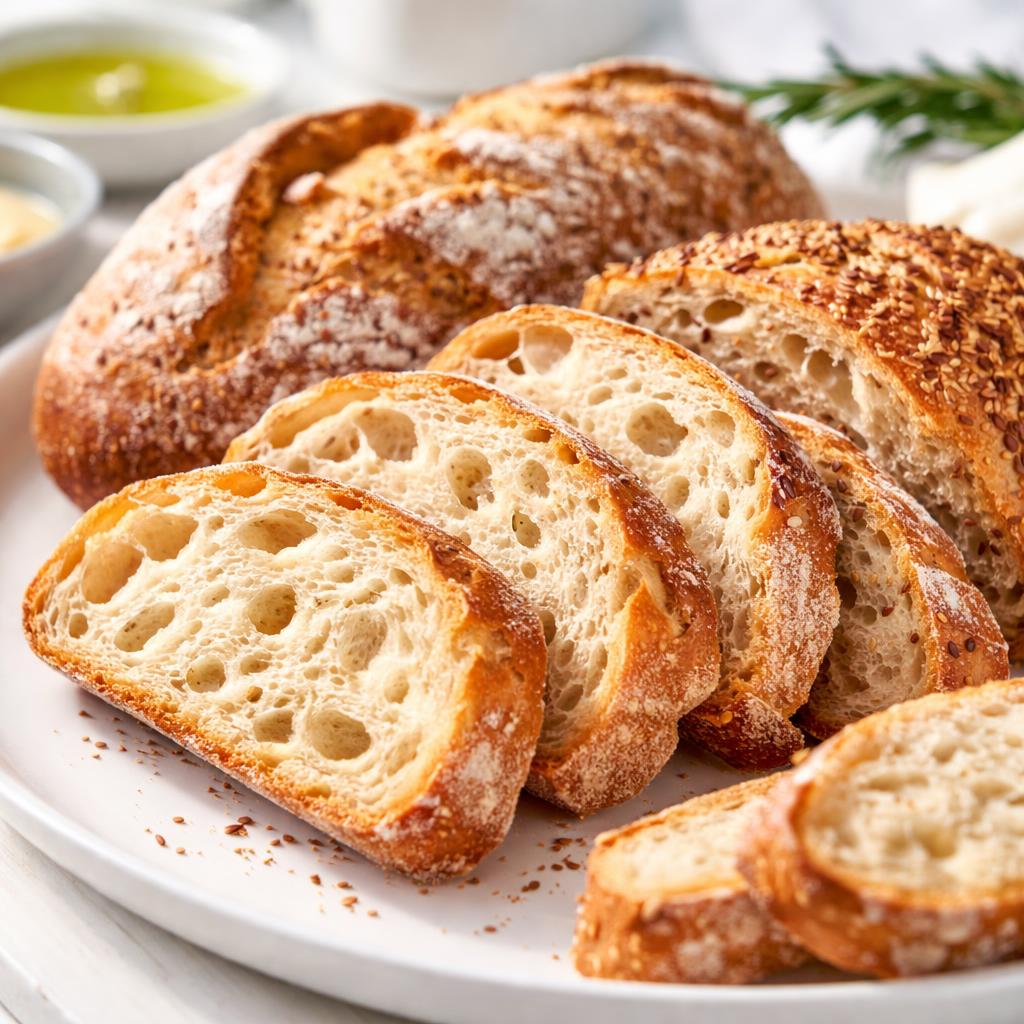
Bread
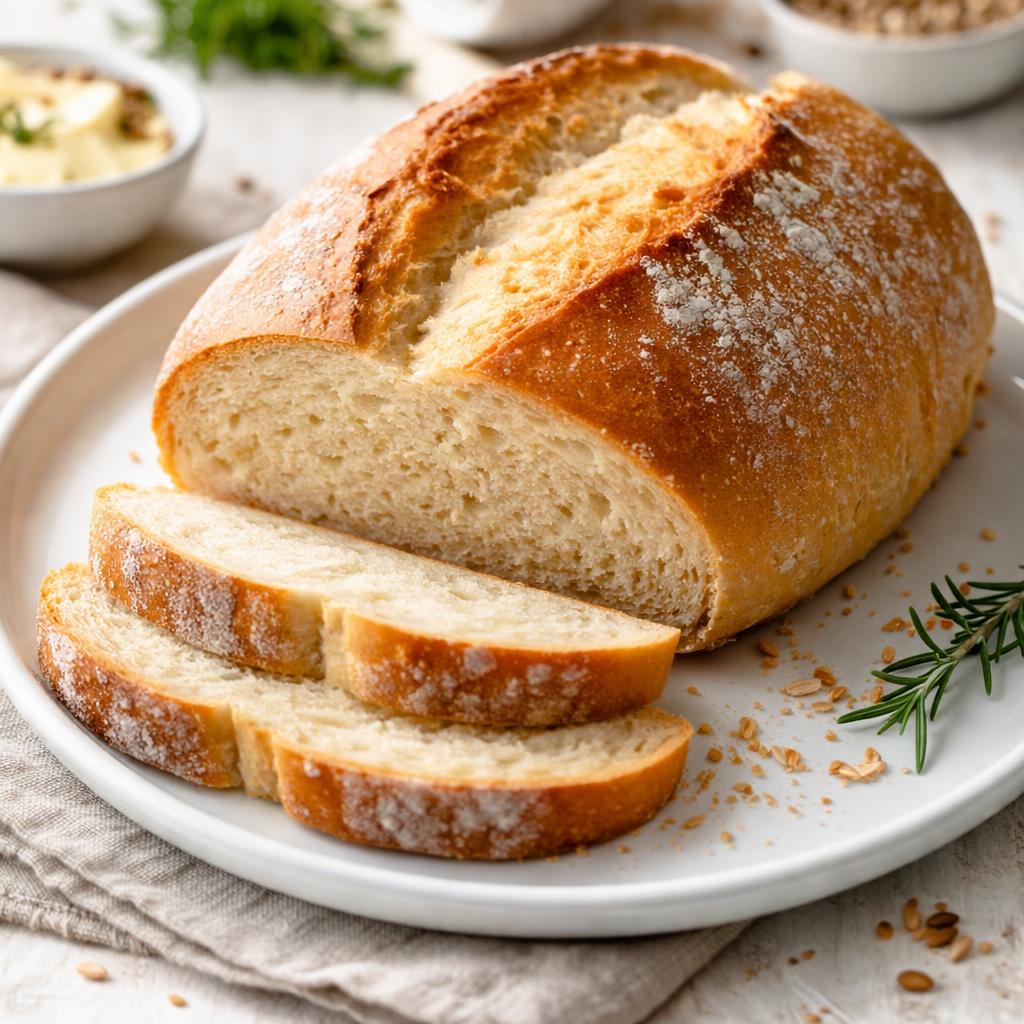
Country Split Bread
🎯 Quick Verdict
Country split bread outperforms regular bread nutritionally, offering higher protein and fiber content, making it a better choice for satiety and digestion. However, both breads are similar in caloric content and are suitable for vegan diets. Traditional bread may be a simpler option for low-cost meal solutions.

Smart Nutrition Tracking with SnapCalorie

📊 Nutritional Comparison
Macronutrients
| Nutrient | Food 1 | Food 2 | Winner |
|---|---|---|---|
| Calories | 80 per slice | 80 per slice | − |
| Protein | 2g per slice | 5g per slice | ✓ |
| Carbs | 15g per slice | 14g per slice | ✓ |
| Fat | 1g per slice | 2g per slice | ✓ |
| Fiber | 1g per slice | 2.5g per slice | ✓ |
Vitamins & Minerals
| Nutrient | Food 1 | Food 2 | Winner |
|---|---|---|---|
| Vitamin D | 0mcg | 0mcg | − |
| Calcium | 30mg | 50mg | ✓ |
| Iron | 0.8mg | 1.5mg | ✓ |
🏆 Category Winners
Protein
Country split bread has 150% more protein per slice.
Fiber
Country split bread contains 2.5x the fiber of regular bread.
Calories
Both breads contain similar calorie amounts.
Vitamins
Country split bread has higher calcium and iron levels.
🥗 Diet Compatibility
Keto
Food 1: Not Compatible
Food 2: Not Compatible
Both breads are high in carbs per slice.
Vegan
Food 1: Compatible
Food 2: Compatible
Both breads are plant-based and lack animal derivatives.
Gluten Free
Food 1: Not Compatible
Food 2: Not Compatible
Both breads contain gluten due to wheat content.
Paleo
Food 1: Not Compatible
Food 2: Not Compatible
Neither aligns with paleo restrictions which exclude grains.
Low Carb
Food 1: Not Compatible
Food 2: Not Compatible
Both have over 14g of carbs per serving.
💪 Health Benefits Comparison
Food 1 Benefits
- Affordable source of energy
- Simple carbs for quick digestion
- May pair well with nutrient-dense toppings
Food 2 Benefits
- Higher protein promotes muscle repair
- Good fiber levels for digestive health
- Higher calcium and iron content support bone and blood health
✅ The Bottom Line
Country split bread is a superior choice for nutritious sandwiches or meals, especially for those seeking higher protein and fiber. Traditional bread is still suitable for energy and budget-friendly options.
Choose Food 1 for: Low-cost meals, quick digestion, pairing with spreads or toppings
Choose Food 2 for: Protein-rich meals, improved satiety, nutrient-dense sandwiches


