Bread VS Cookie
A detailed nutritional comparison
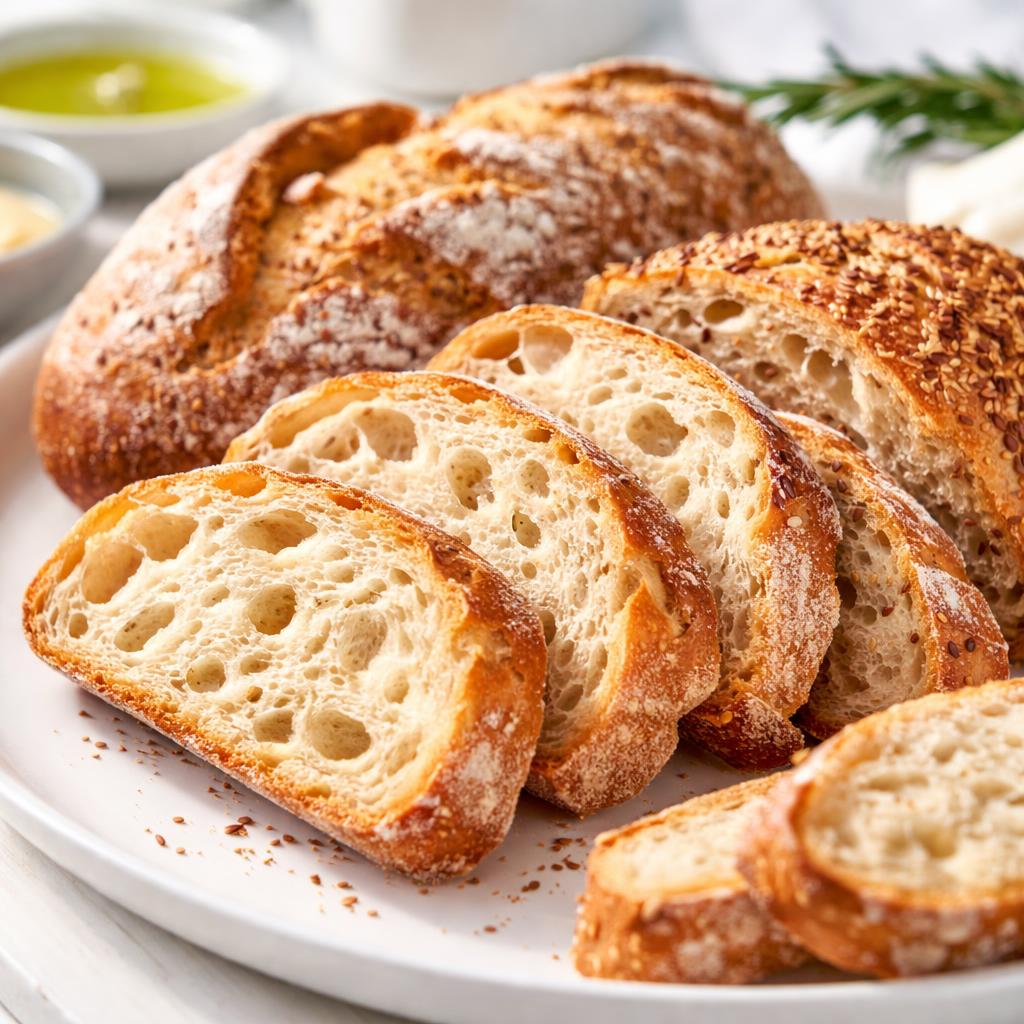
Bread
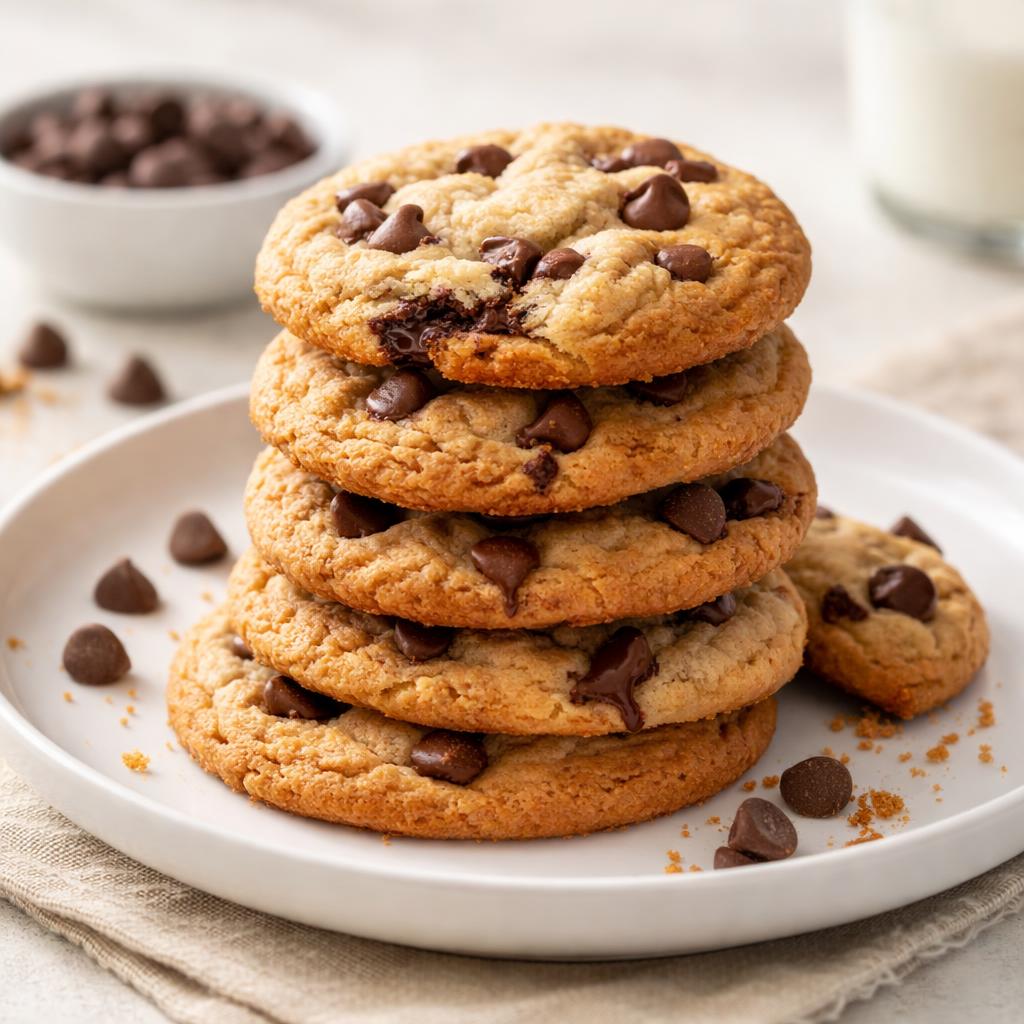
Cookie
🎯 Quick Verdict
Bread is generally lower in calories, higher in fiber, and offers more protein compared to a cookie, making it a better option for balanced meal planning or weight-conscious diets. Cookies are richer in sugar and fats, making them an occasional indulgent treat rather than a dietary staple.

Smart Nutrition Tracking with SnapCalorie

📊 Nutritional Comparison
Macronutrients
| Nutrient | Food 1 | Food 2 | Winner |
|---|---|---|---|
| Calories | 80 | 200 | ✓ |
| Protein | 3g | 2g | ✓ |
| Carbs | 14g | 25g | ✓ |
| Fat | 1g | 8g | ✓ |
| Fiber | 1.8g | 0.5g | ✓ |
Vitamins & Minerals
| Nutrient | Food 1 | Food 2 | Winner |
|---|---|---|---|
| Iron | 0.7mg | 0.2mg | ✓ |
| Calcium | 50mg | 20mg | ✓ |
| Vitamin D | 0mcg | 0mcg | − |
🏆 Category Winners
Protein
Bread has 1g more protein per serving than cookies.
Fiber
Bread offers over 3x more fiber per serving compared to cookies.
Calories
Bread has 60% fewer calories per serving compared to cookies.
🥗 Diet Compatibility
Keto
Food 1: Not Compatible
Food 2: Not Compatible
Both bread and cookies are high in carbs.
Vegan
Food 1: Compatible
Food 2: Depends on ingredients
Bread is typically plant-based, while cookies may contain dairy or eggs.
Gluten Free
Food 1: Depends on ingredients
Food 2: Depends on ingredients
Neither is inherently gluten-free unless specifically made with gluten-free flour.
Paleo
Food 1: Not Compatible
Food 2: Not Compatible
Both are grain-based and not suitable for paleo diets.
Low-Carb
Food 1: Not Compatible
Food 2: Not Compatible
Both foods are relatively high in carbohydrates.
💪 Health Benefits Comparison
Food 1 Benefits
- Provides sustained energy from complex carbohydrates
- Contains fiber for supporting digestion
- Offers small amounts of protein for muscle maintenance
- Includes trace minerals like iron and calcium
Food 2 Benefits
- Can be a source of quick energy from sugars
- Higher fat content for short-term satiety
- May offer antioxidants if it includes dark chocolate or nuts
- Provides emotional comfort as an occasional treat
✅ The Bottom Line
Bread is a better option for regular consumption, providing more balanced energy and nutrients for overall health. Cookies are high in sugar and fat, making them better suited for occasional treats rather than a dietary staple.
Choose Food 1 for: Balanced meals, weight management, sustained energy
Choose Food 2 for: Occasional indulgence, quick energy boost, comfort food


