Bread VS Cooked White Rice
A detailed nutritional comparison

Bread
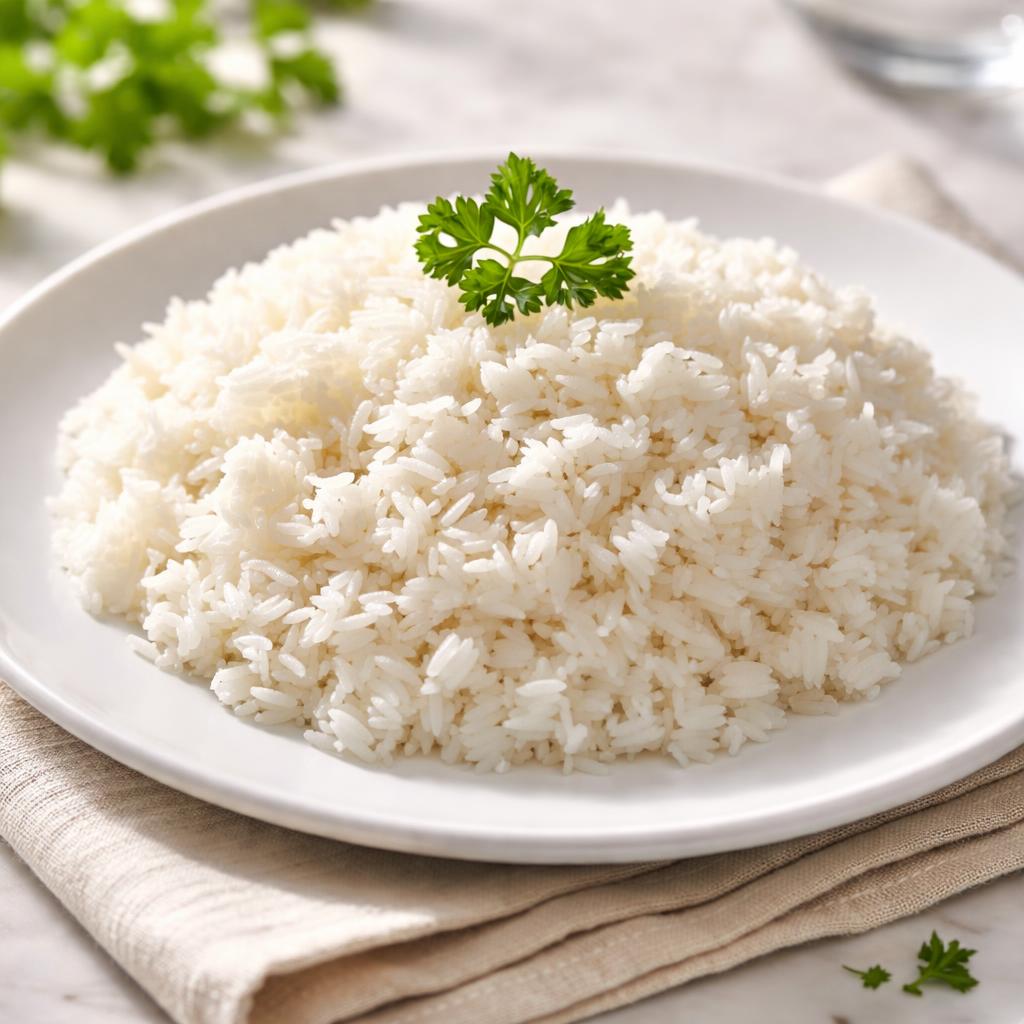
Cooked White Rice
🎯 Quick Verdict
Bread is higher in protein and fiber, offering a more nutrient-dense profile compared to cooked white rice. White rice has fewer calories but lacks noteworthy fiber and protein. Bread is ideal for active individuals needing sustained energy, while rice is better suited for lower-calorie meals or as a neutral carbohydrate base.

Smart Nutrition Tracking with SnapCalorie

📊 Nutritional Comparison
Macronutrients
| Nutrient | Food 1 | Food 2 | Winner |
|---|---|---|---|
| Calories | 80 (per slice) | 130 (per cooked cup) | ✓ |
| Protein | 4g | 2.5g | ✓ |
| Carbs | 15g | 28g | ✓ |
| Fat | 1g | 0.2g | ✓ |
| Fiber | 1.5g | 0.4g | ✓ |
Vitamins & Minerals
| Nutrient | Food 1 | Food 2 | Winner |
|---|---|---|---|
| Vitamin B3 (Niacin) | 1.5mg | 0.6mg | ✓ |
| Vitamin B1 (Thiamin) | 0.4mg | 0.1mg | ✓ |
| Iron | 0.9mg | 0.2mg | ✓ |
| Calcium | 25mg | 10mg | ✓ |
🏆 Category Winners
Protein
Bread contains 60% more protein per serving than rice.
Fiber
Bread is over three times higher in fiber than white rice.
Calories
White rice has fewer calories per serving compared to bread.
Vitamins
Bread provides greater amounts of vitamin B1, B3, iron, and calcium.
🥗 Diet Compatibility
Keto
Food 1: Not Compatible
Food 2: Not Compatible
Both are high in carbohydrates.
Vegan
Food 1: Compatible
Food 2: Compatible
Both foods are plant-based and vegan-friendly.
Gluten Free
Food 1: Not Compatible
Food 2: Compatible
Bread contains gluten while rice is naturally gluten-free.
Paleo
Food 1: Not Compatible
Food 2: Compatible
Bread is not paleo-friendly, but white rice may fit into some interpretations of a paleo diet.
Low Carb
Food 1: Not Compatible
Food 2: Not Compatible
Both foods are relatively high in carbohydrates.
💪 Health Benefits Comparison
Food 1 Benefits
- Higher protein content supports muscle repair and maintenance.
- Good source of fiber aids digestion and promotes satiety.
- Contains key B-vitamins (B1 and B3) for energy production.
- Provides calcium and iron for bone health and oxygen transport.
Food 2 Benefits
- Low-calorie base for meals, suitable for weight maintenance.
- Easy to digest, making it suitable for sensitive stomachs.
- Gluten-free alternative for those with gluten intolerance.
- Provides quick energy due to its high carbohydrate content.
✅ The Bottom Line
Choose bread for a nutrient-dense option with more protein, fiber, and vitamins. Opt for white rice if you need a lower-calorie carbohydrate base or a gluten-free alternative. Both serve different dietary needs effectively.
Choose Food 1 for: Active lifestyles, nutrient-dense meals, sustained energy
Choose Food 2 for: Low-calorie diets, gluten-free meals, easy digestion options


